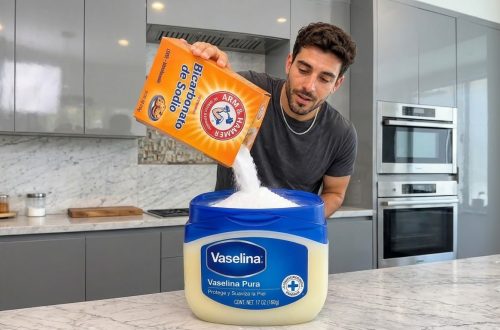
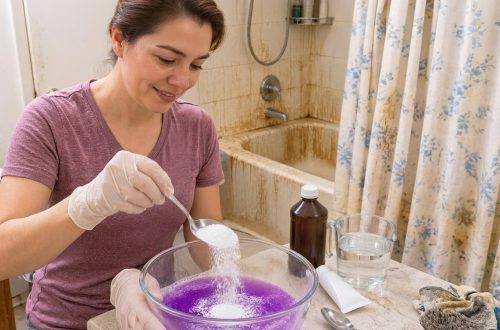
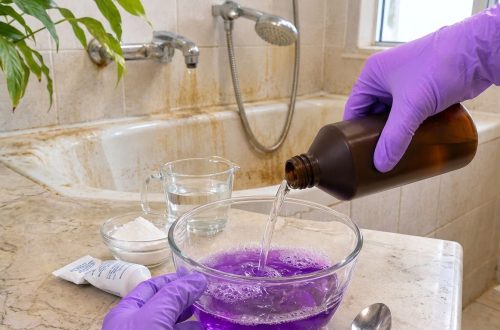
Bathroom tubs, tile grout, and shower corners pick up soap scum and dingy buildup faster than most people expect. If you want a simple way to refresh those spots without buying a specialty product, this homemade scrub is a practical place to start. It uses a few basic household ingredients, takes about five minutes to mix, and works well as part of a regular deep clean.
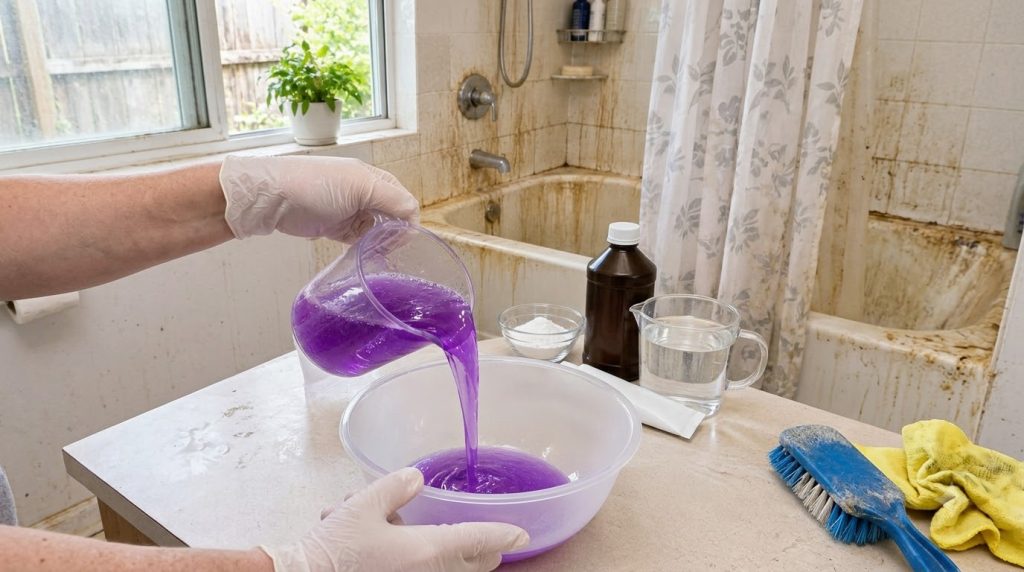
What You’ll Need
Cleaning Ingredients
- 1/2 cup baking soda
- 1/4 cup liquid dish soap (a degreasing type works best)
- 1 to 2 tablespoons warm water, added slowly
- Optional: 1 tablespoon white vinegar, for a spray step applied separately
If you don’t have dish soap, a plant-based liquid castile soap can work in the same amount. Avoid thick hand soaps or lotions, since they can leave residue.
Tools
- Small mixing bowl (glass or plastic)
- Measuring cup and spoon
- Old toothbrush or non-scratch sponge
- Nitrile or rubber gloves
- Soft microfiber cloths
- Spray bottle (only if using the vinegar step)
Why This DIY Can Be Useful
Baking soda is a mild abrasive, so it helps lift soap film and light grime without the harshness of some store-bought scrubs. Dish soap helps break down oily residue and loosens dirt so it rinses away more easily. Warm water makes the paste easier to spread and helps the soap dissolve evenly. Together, they form a gentle paste that suits many bathroom surfaces when used with care.
How to Make It
- Put 1/2 cup of baking soda in a small bowl.
- Add 1/4 cup of liquid dish soap and stir with a spoon until combined.
- Add warm water one tablespoon at a time, stirring after each addition, until the mixture becomes a spreadable paste. It should be thick enough to stay on a vertical surface without dripping.
- Use the mixture right away for best results. If you need to store leftovers, keep them in a sealed container and label it clearly.
How to Use It
- Wear gloves and open a window or turn on the bathroom fan.
- Wet the surface lightly with warm water so the paste spreads more easily.
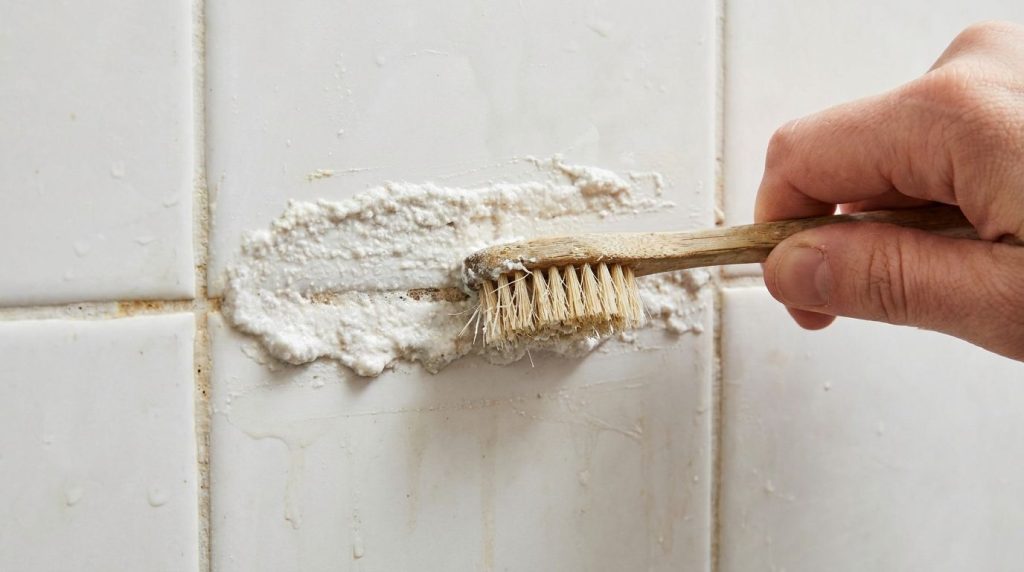
- Apply a thin layer of paste to the stained area, such as the tub wall, grout lines, or shower corners.
- Let it sit for 5 to 10 minutes. Do not let it dry completely.
- Scrub gently with an old toothbrush or non-scratch sponge, working in small circles.
- Rinse thoroughly with warm water until no gritty residue remains.
- Wipe dry with a microfiber cloth to reduce water spots and soap film.
If you want an extra freshening step, lightly mist the cleaned surface with a 1:1 mix of water and white vinegar, then rinse again after a minute. Apply the vinegar spray separately, never mixed into the paste.
What to Expect
This scrub works best on light to moderate soap scum, mild grime, and surface dirt. Heavily set stains, mineral deposits, or years of buildup may need several rounds or a stronger, specialized cleaner. Results are usually visible after one session, but expect to repeat the process periodically to keep grout and corners looking fresh.
Helpful Tips
- Work in small sections so the paste does not dry out before you rinse it.
- Use a toothbrush for grout lines and corners, where grime tends to collect.
- Clean from top to bottom so loosened dirt rinses away from the bottom.
- Dry the tub or shower after cleaning to limit new soap scum.
Important Notes / Safety
- Never mix this paste with bleach, ammonia, or any other cleaner. Mixing chemicals can release harmful fumes.
- Do not combine vinegar with hydrogen peroxide or bleach in the same container or spray bottle.
- Patch test on a small hidden area first. Use caution on natural stone, marble, and delicate or glossy finishes, since baking soda can dull them.
- Avoid scrubbing hard on acrylic tubs or colored surfaces, which can scratch.
- Rinse the surface well and keep the room ventilated during and after cleaning.
- Store any leftover paste in a labeled, sealed container away from children and pets.