Your blood pressure is a vital indicator of your overall cardiovascular health. While many factors can influence it, some daily habits may be silently raising your blood pressure without you even realizing it. Understanding these subtle yet significant connections is crucial for proactively managing your well-being and supporting a healthy heart.
This article will delve into common, often overlooked daily habits that can contribute to elevated blood pressure. By identifying these ‘silent factors,’ you can make informed choices to protect your heart and promote long-term health.
1. The Hidden Dangers of Excess Sodium Intake
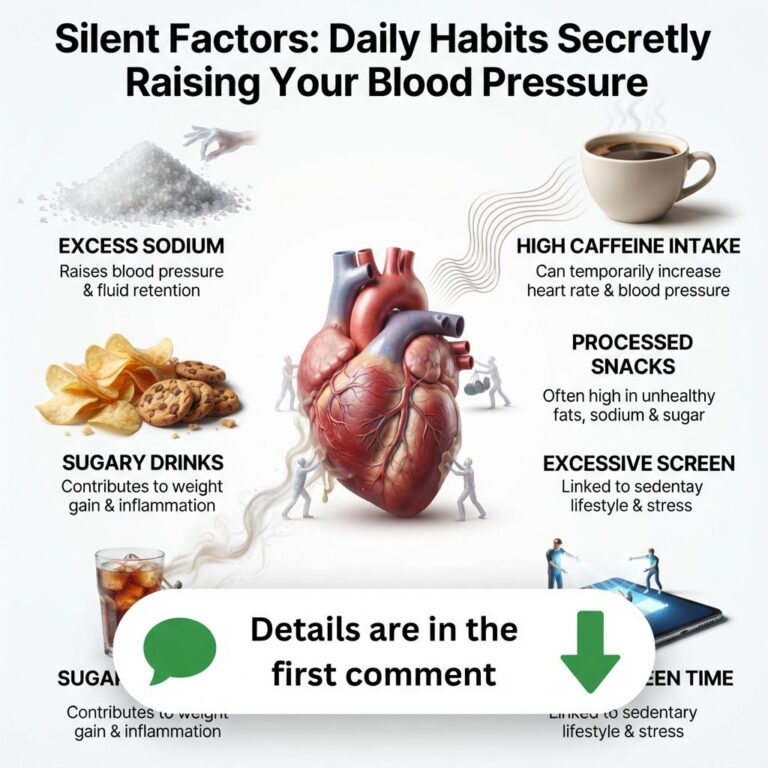
Sodium, primarily found in table salt, plays a critical role in fluid balance and nerve function. However, consuming too much sodium is a well-known culprit in elevated blood pressure. When your body retains excess sodium, it pulls more water into your bloodstream, increasing blood volume and, consequently, the pressure on your artery walls.
Where Sodium Hides:
- Processed and Packaged Foods: Many convenience foods, frozen meals, canned soups, and cured meats are loaded with sodium.
- Restaurant Meals: Dishes prepared outside the home often contain high amounts of hidden sodium.
- Condiments: Sauces, dressings, and marinades can significantly add to your daily sodium intake.
Tips to Reduce Sodium:
- Read food labels carefully and choose low-sodium options.
- Cook more meals at home to control ingredients.
- Use herbs, spices, lemon juice, and vinegar to flavor foods instead of salt.
- Limit consumption of processed snacks and fast food.
2. High Caffeine Intake and Your Heart
For many, a cup of coffee is an essential part of the morning routine. While moderate caffeine consumption may offer some health benefits, high caffeine intake can temporarily increase blood pressure. Caffeine acts as a stimulant, narrowing blood vessels and causing your heart to beat faster, leading to a temporary rise in blood pressure. For individuals already prone to high blood pressure, this effect can be more pronounced and sustained.
Sources of Caffeine:
- Coffee, espresso, and coffee-based beverages.
- Tea (black, green, oolong).
- Energy drinks and some sodas.
- Certain over-the-counter pain relievers.
Managing Caffeine Consumption:
- Monitor your daily caffeine intake and be mindful of serving sizes.
- Opt for decaffeinated coffee or herbal teas.
- Limit energy drinks, which often contain high levels of caffeine and sugar.
- If you have existing blood pressure concerns, discuss caffeine intake with your healthcare provider.
3. The Impact of Processed Snacks
Processed snacks, such as potato chips, cookies, and many packaged baked goods, are often high in unhealthy fats, sodium, and added sugars. This combination creates a perfect storm for cardiovascular strain. High levels of unhealthy fats can contribute to plaque buildup in arteries, while excessive sodium directly impacts blood pressure. The empty calories can also lead to weight gain, another significant risk factor for hypertension.
Common Processed Snacks:
- Chips, crackers, pretzels.
- Packaged cookies, pastries, and cakes.
- Sweetened breakfast cereals.
- Instant noodles and processed meats.
Healthier Snack Alternatives:
- Fresh fruits and vegetables.
- Nuts and seeds (unsalted).
- Greek yogurt or cottage cheese.
- Whole-grain crackers with avocado or hummus.
- Homemade air-popped popcorn.
4. The Sweet Threat of Sugary Drinks
Sugary drinks, including sodas, sweetened juices, and sports drinks, are a major source of added sugars in many diets. Consuming high amounts of added sugar is linked to an increased risk of obesity, inflammation, and insulin resistance, all of which can contribute to higher blood pressure. The body’s response to a rapid influx of sugar can also trigger hormonal changes that impact blood vessel function.
Drinks to Watch Out For:
- Soft drinks and sodas.
- Sweetened fruit juices (even 100% juice can be high in natural sugars).
- Sweetened teas and coffee drinks.
- Energy and sports drinks.
Better Beverage Choices:
- Water is always the best choice; add lemon or cucumber for flavor.
- Unsweetened herbal tea.
- Sparkling water with a splash of fruit juice.
- Diluted fruit juice with plenty of water.
5. Excessive Screen Time and Sedentary Habits
In our increasingly digital world, excessive screen time often goes hand-in-hand with a sedentary lifestyle. Prolonged periods of sitting or inactivity are directly linked to an increased risk of various health issues, including high blood pressure. Lack of physical activity can lead to weight gain, reduced cardiovascular fitness, and less efficient blood circulation, all of which stress the heart.
Breaking the Sedentary Cycle:
- Take regular breaks to stretch or walk during screen time.
- Incorporate physical activity into your daily routine (e.g., walking, cycling, dancing).
- Set limits on recreational screen time.
- Consider standing desks or active workstations.
By making conscious efforts to move more throughout the day, you can significantly improve your heart health and help manage blood pressure.