Unlock Your Plant-Powered Potential: Discovering Protein in Everyday Vegetables
When you think of protein, what comes to mind? Often, it’s meat, eggs, or dairy. However, a vibrant world of plant-based protein is waiting to be explored right in your produce aisle! Many everyday vegetables are surprisingly packed with protein, offering a fantastic way to support your wellness journey and fuel your body.
Embracing the power of plants for protein isn’t just for vegans or vegetarians; it’s a smart choice for anyone looking to diversify their nutrient intake, boost their health, and explore delicious new foods. Let’s dive into the world of protein in veggies and discover which common vegetables can become your new favorite protein boosters!
Why Plant-Based Protein Matters
Protein is an essential macronutrient, crucial for building and repairing tissues, making enzymes and hormones, and providing a steady source of energy. While animal sources are well-known, plant proteins offer unique benefits:
- Fiber-Rich: Plant proteins often come bundled with fiber, which is vital for digestive health and can help you feel full and satisfied.
- Nutrient-Dense: Vegetables packed with protein also offer a spectrum of vitamins, minerals, and antioxidants that contribute to overall well-being.
- Heart-Healthy: Many plant-based protein sources are naturally low in saturated fat and cholesterol, making them a heart-friendly choice.
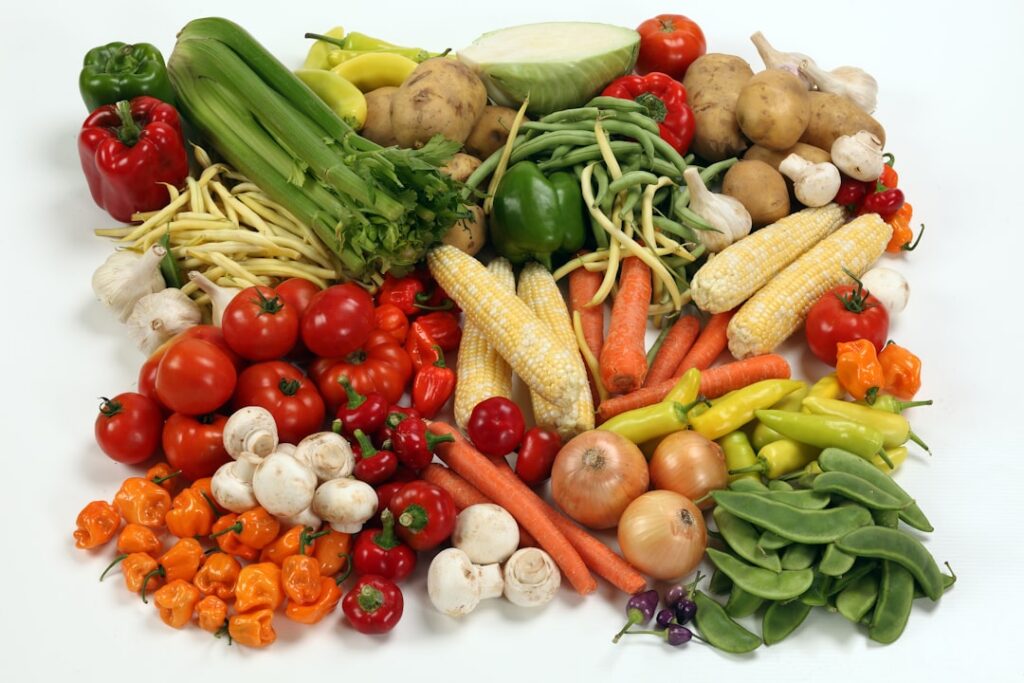
Top Vegetables Packing a Protein Punch
You might be surprised by how much protein you can find in your favorite garden greens and root vegetables. Here are some of the stars:
Broccoli
Often hailed as a superfood, broccoli is not just rich in Vitamin C and K but also contains a decent amount of protein. A cup of chopped broccoli may offer around 2.6 grams of protein, making it an excellent addition to any meal.
Spinach
This leafy green powerhouse is renowned for its iron content, but it’s also a valuable source of protein. One cup of cooked spinach can provide approximately 5 grams of protein, alongside a wealth of vitamins and minerals.
Peas
Small but mighty, green peas are an excellent source of plant protein. A single cup of cooked green peas can contribute about 8 grams of protein, along with significant fiber content. They’re versatile and can be added to soups, stir-fries, or enjoyed as a side.
Brussels Sprouts
These miniature cabbages are more than just a holiday side dish. A cup of cooked Brussels sprouts provides about 4 grams of protein, plus plenty of fiber and Vitamin C. Roasting them brings out a delicious nutty flavor.
Potatoes
Often misunderstood, potatoes are a good source of protein, especially when eaten with their skin. A medium-sized potato can contain around 3-4 grams of protein, in addition to being rich in potassium and Vitamin C.
Asparagus
Each spear of asparagus is not just delicious but also contributes to your daily protein intake. A cup of cooked asparagus may offer around 4.3 grams of protein, along with folate and vitamins A, C, and K.
Sweet Corn
While often considered a grain, sweet corn is botanically a vegetable and a decent source of protein. One cup of cooked sweet corn can provide about 4-5 grams of protein, along with antioxidants.
Maximizing Plant Protein Absorption
While plant proteins are fantastic, it’s beneficial to consume a variety of them throughout the day to ensure you get all essential amino acids. Many plant proteins are