Unlock Simple Portion Control! Your Hand-Based Guide to Balanced Meals
Are you ready to simplify your plate and transform the way you think about healthy eating? The idea of portion control often conjures images of restrictive dieting, meticulous calorie counting, and complicated food scales. But what if we told you there’s a much simpler, more intuitive way to build perfectly balanced meals, using a tool you always have with you: your own hand?
At Wellness Daily, we believe that healthy eating should be empowering, not overwhelming. This guide will help you discover how easily you can achieve balanced meals without the stress, focusing on smart, intuitive eating that supports your wellness journey.
Why Traditional Portion Control Can Be Tricky
For many, the journey to healthier eating gets derailed by the complexities of traditional portion control methods. Counting calories, weighing every gram, and meticulously tracking macronutrients can be tedious, time-consuming, and often unsustainable in the long run. This can lead to frustration, diet fatigue, and a disconnection from your body’s natural hunger and fullness cues.
Our goal is to provide a practical, flexible approach that helps you understand appropriate serving sizes in a way that feels natural and easy to integrate into your daily life.
Your Hand: The Ultimate Portion Guide
Your hand is a surprisingly accurate and convenient tool for estimating portion sizes. It’s proportional to your body, making it a personalized guide that travels with you everywhere. Here’s how to use it:
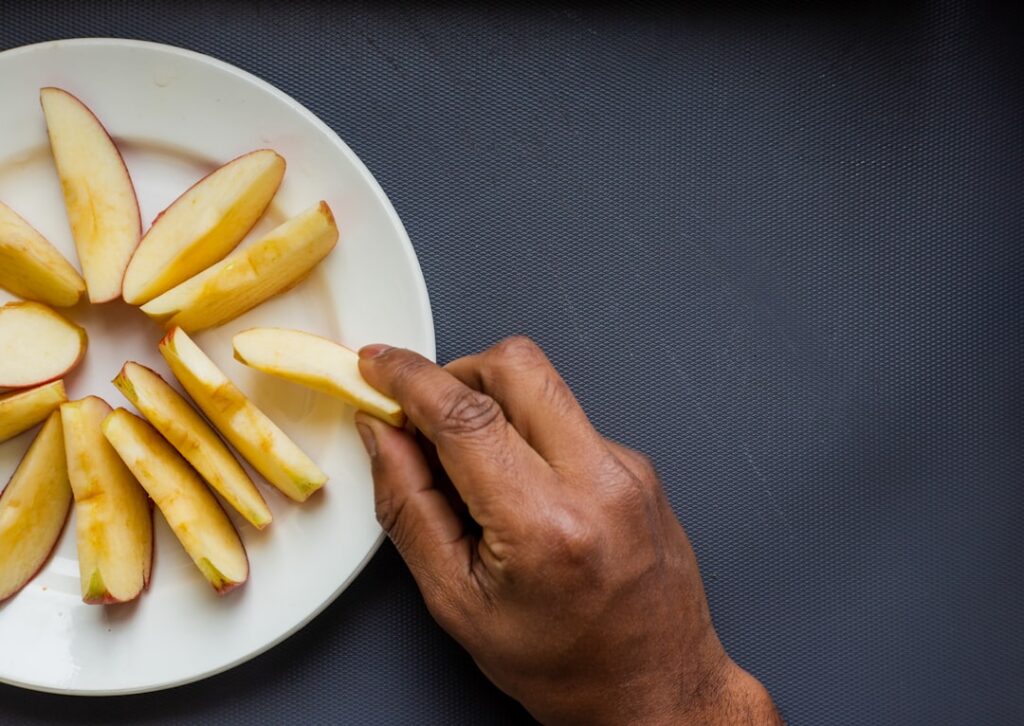
Protein: Your Palm
For protein sources like chicken, fish, lean meat, tofu, or beans, a serving size is roughly the size and thickness of your palm. Aim for about one to two palm-sized servings per meal, depending on your individual needs and activity level.
Carbohydrates: Your Cupped Hand
When it comes to carbohydrate-rich foods such as rice, pasta, quinoa, potatoes, or bread, a single serving is about the size of one cupped hand. This helps you get enough energy without overdoing it, especially if you’re less active.
Fats: Your Thumb
Healthy fats are crucial for overall health, but they are calorie-dense, so portion control is key. A serving of fats, like butter, oils, nuts, seeds, or nut butter, is approximately the size of your thumb.
Vegetables & Fruits: Your Fist
Non-starchy vegetables (like leafy greens, broccoli, peppers) and fruits are packed with vitamins, minerals, and fiber, and you can generally enjoy generous portions. A serving is about the size of your clenched fist. Feel free to pile these on your plate!
Putting It All Together: Building a Balanced Plate
Using your hand as a guide, building a balanced meal becomes simple:
- Start with Protein: Add 1-2 palm-sized servings of your preferred protein.
- Layer in Vegetables & Fruits: Include 1-2 fist-sized servings of colorful vegetables and/or fruits.
- Add Carbohydrates: Incorporate 1 cupped hand of a healthy carbohydrate source.
- Finish with Healthy Fats: Include 1-2 thumb-sized servings of healthy fats.
For example, a balanced lunch could be a palm of grilled chicken, two fists of mixed greens and bell peppers, a cupped hand of quinoa, and a thumb of avocado slices.
Benefits of Hand-Based Portioning
- Simplicity: No need for scales, measuring cups, or apps.
- Portability: Your guide is always with you, wherever you eat.
- Intuitive Eating: Encourages you to listen to your body’s needs rather than strict rules.
- Sustainability: Easier to maintain as a long-term healthy habit.
- Flexibility: Adaptable to various cuisines and meal types.
Important Considerations
While the hand method is a fantastic starting point for intuitive portion control, it’s a general guide, not a rigid rule. Individual needs vary based on age, gender, activity level, and specific health goals. Listen to your body’s hunger and fullness cues. Some days you might need a little more, other days a little less.
Disclaimer: This content is for informational purposes only and is not intended to be a substitute for professional medical advice, diagnosis, or treatment. Always seek the advice of your physician or other qualified health provider with any questions you may have regarding a medical condition.
Ready to embrace a simpler, more intuitive approach to eating? Try portioning your next meal using just your hand!