Did you know that making your own Asian sauces at home is simpler than you think? With a few fresh ingredients, a bowl and a whisk, you can create bold, balanced flavors that lift simple meals into something you look forward to eating. Homemade sauces also let you control the salt, sugar and oil, which makes them a friendly choice for anyone building healthier eating habits.
Why Make Asian Sauces at Home?
Store-bought sauces are convenient, but many jars contain added sugar, preservatives and sodium that you may not need. When you make your own, you decide what goes in. You can use fresh garlic, ginger, citrus, herbs and a splash of toasted sesame oil, then adjust the sweetness and heat to suit your family.
Homemade sauces also reduce waste. A spoonful of leftover herbs or a half lime can become the star of a quick dressing, and a small batch can be stored in the refrigerator for several days, ready for weeknight dinners, meal prep bowls or a fresh salad.
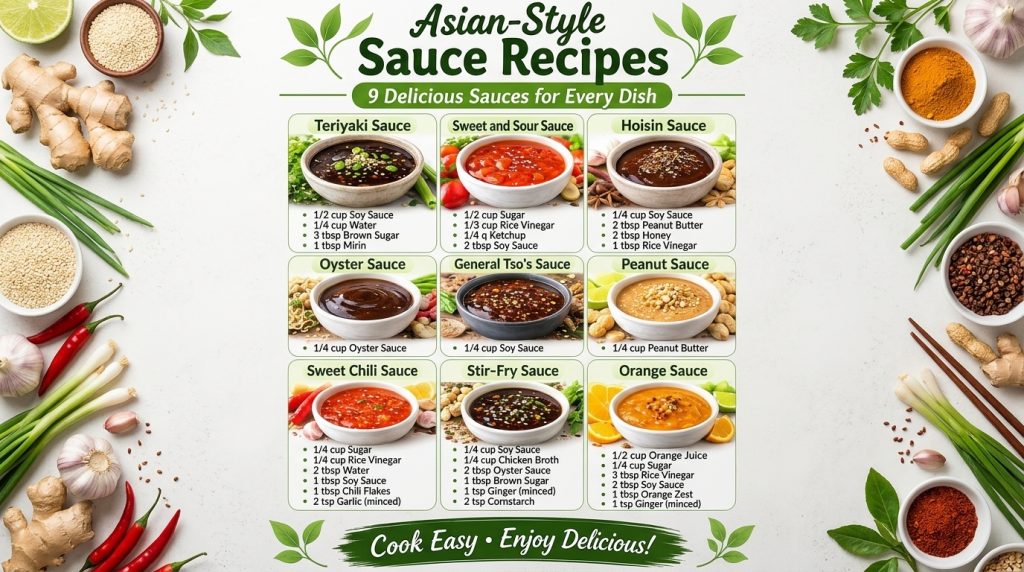
Essential Ingredients for Asian-Style Sauces
Most Asian-inspired sauces rely on a handful of pantry staples. Keeping these on hand will help you whip up new flavors without extra shopping trips.
- Low-sodium soy sauce or tamari for savory depth
- Rice vinegar for gentle acidity
- Fresh ginger and garlic for warmth and aroma
- Toasted sesame oil for nutty richness
- Lime or lemon juice for brightness
- Honey or maple syrup for a touch of natural sweetness
- Chilies, chili flakes or chili paste for heat
- Fresh scallions, cilantro and sesame seeds for garnish
9 Must-Try Asian Sauce Ideas
Each of these sauces is easy to adapt. Start with small amounts, taste as you go and adjust until the balance feels right for you.
1. Ginger Scallion Sauce
Finely chopped scallions, grated ginger, a pinch of salt and hot oil create a fragrant sauce that pairs beautifully with steamed vegetables, rice and tofu.
2. Sesame Soy Dipping Sauce
Combine soy sauce, rice vinegar, a little honey and toasted sesame oil for a versatile dip that works with dumplings, spring rolls and grilled chicken.
3. Lime Chili Dressing
Whisk fresh lime juice with minced chili, garlic and a drizzle of fish sauce or soy sauce. It brightens noodle salads and shredded cabbage slaws.
4. Orange Ginger Glaze
Simmer fresh orange juice with grated ginger, a little soy sauce and a touch of maple syrup until slightly thickened. Brush it over baked salmon or roasted vegetables.
5. Garlic Chili Oil
Gently warm neutral oil with garlic and chili flakes, then let it steep. Spoon it over eggs, congee or noodles for a savory kick.
6. Peanut Lime Sauce
Blend natural peanut butter with lime juice, a splash of warm water, soy sauce and a little grated ginger. Use it on rice bowls, vegetable wraps or cold noodles.
7. Sweet Chili Dip
Mix rice vinegar, a little honey, garlic and chili flakes for a light, sweet-spicy dip that complements grilled foods and crisp vegetables.
8. Miso Sesame Dressing
Whisk white miso with sesame paste, rice vinegar and a small amount of water for a creamy dressing that suits leafy greens and cucumber salads.
9. Herb Cilantro Sauce
Blend fresh cilantro, mint, lime juice, garlic and a splash of olive oil for a fresh, herbaceous sauce that brightens fish, tacos and grain bowls.
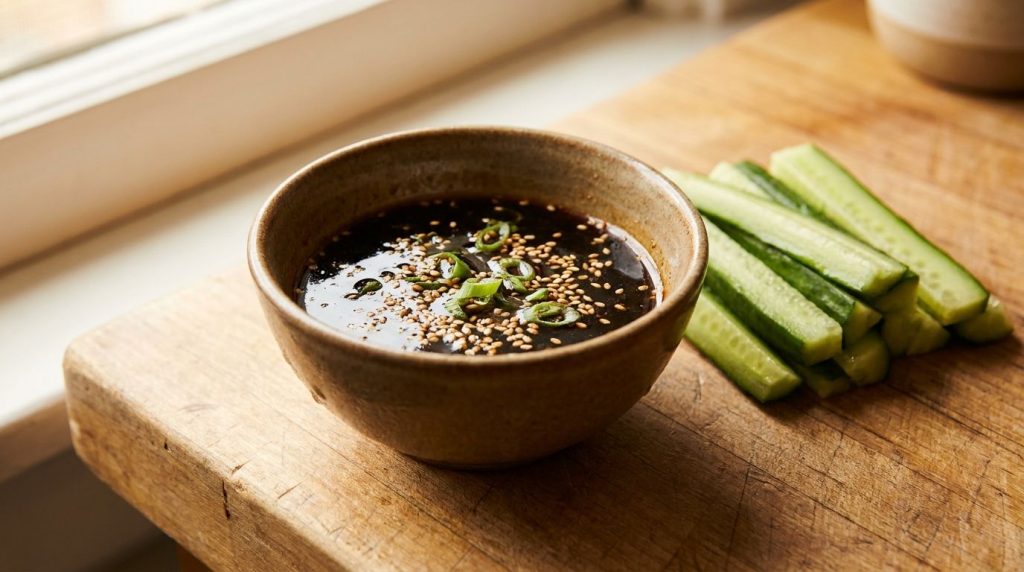
Tips for Making Sauces That Last
- Use clean jars and utensils to help keep sauces fresh.
- Store sauces in the refrigerator and check the color and smell before using.
- Add fresh herbs and scallions just before serving for the best flavor.
- Label containers with the date you made them.
Ways to Enjoy Your Homemade Sauces
Think beyond the bottle. A ginger scallion sauce can turn plain brown rice into a satisfying bowl, while a peanut lime sauce can make a quick lunch of vegetables and noodles feel special. Keep a few sauces in the fridge and you will have an easy way to add variety to everyday meals without relying on heavy, processed options.
Final Thoughts
Making Asian sauces at home is a simple, enjoyable way to explore new flavors and support your healthy eating routine. Start with one or two recipes this week, taste as you go, and enjoy discovering which combinations you love most.