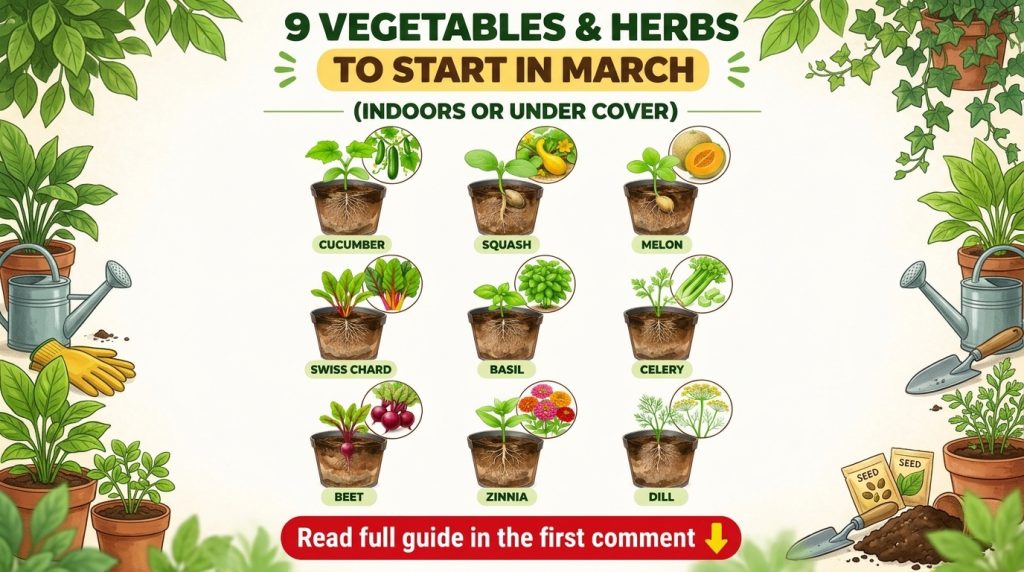
March is one of the most rewarding months for gardeners who want a head start on the season. Days are getting longer, but outdoor soil is often still too cold for tender vegetables and herbs. Starting seeds indoors gives your plants a healthy beginning, so they are ready to move outside once the weather settles.
Why Start Seeds Indoors in March?
Starting seeds indoors gives you more control over temperature, light, and moisture. It also extends your growing season, which is especially useful if you enjoy fresh harvests or want to fill your garden with a wider range of plants.
- You can begin growing earlier than outdoor sowing allows.
- Seedlings are protected from late frosts, strong winds, and hungry pests.
- You get to choose from more varieties than most garden centers stock as transplants.
- It is a satisfying, low-cost way to learn how plants grow from the very beginning.
Choosing What to Sow This Month
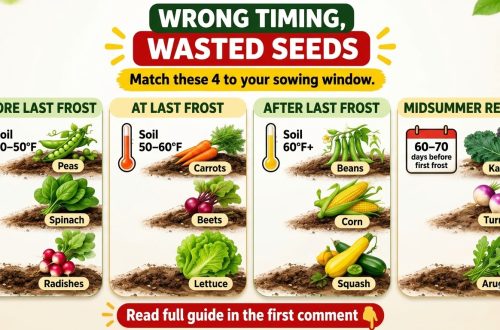
Not every plant benefits from an early start. Many herbs and vegetables with a long growing period, such as peppers and some herbs, do well when sown indoors in early spring. Others, like root vegetables that dislike transplanting, are better sown directly outdoors later. Check the sowing window on your seed packet and count backward from your local last frost date to plan your schedule.
Essential Supplies for Indoor Seed Starting
You do not need expensive equipment to get started. A simple setup will cover most needs:
- Clean seed trays or small pots with drainage holes.
- A light, sterile seed-starting mix. Garden soil is often too dense for seedlings.
- A bright, sunny windowsill or a basic grow light placed a few inches above the seedlings.
- A tray or saucer to hold water, plus a spray bottle for gentle moisture.
- Plant labels so you can track varieties and sowing dates.
Step-by-Step Seed Starting Method
1. Prepare Your Containers
Fill your trays or pots with moist seed-starting mix, then press it down lightly. Make sure the mix is damp but not soggy before you add seeds.
2. Sow at the Right Depth
A general rule is to sow seeds about two to three times their own diameter deep. Very fine seeds often need only a light dusting of mix on top. Always read the packet, since some varieties need light to germinate.
3. Keep Moisture Steady
Seeds need consistent moisture to sprout. Cover trays with a clear lid or plastic wrap until seedlings appear, then remove the cover to improve airflow and reduce the risk of damping off, a common fungal problem in crowded, wet conditions.
4. Provide Plenty of Light
Once seedlings emerge, they need strong light for many hours each day. Leggy, pale seedlings usually mean they are not getting enough light. Rotate trays regularly if they are on a windowsill so the plants grow evenly.
5. Thin and Transplant with Care
When seedlings have their first true leaves, thin crowded plants so the strongest ones have room to grow. Move seedlings into larger pots once their roots fill the cell, handling them gently by the leaves rather than the stem.
Hardening Off Before Planting Outdoors
Before moving seedlings into the garden, introduce them to outdoor conditions gradually over one to two weeks. Start with a few hours in a sheltered spot and slowly increase their time outside. This process, called hardening off, helps plants adjust to wind, direct sun, and temperature changes, and it leads to sturdier transplants.
Simple Tips for Success
Label everything from the start, keep a simple growing journal, and avoid overwatering. Water from below when possible, and remember that a little patience goes a long way. Even experienced gardeners lose a few seedlings, and each season teaches you something new.
Starting your garden indoors is a practical way to turn a cold March into the beginning of a season full of growth.
Bringing It All Together
Indoor seed starting is an accessible, educational way to grow vegetables and herbs with confidence. With the right supplies, a clear sowing schedule, and gentle daily care, you can build healthy seedlings that thrive in your garden. Save this guide, share it with a fellow gardener, and start planning your March sowing today.