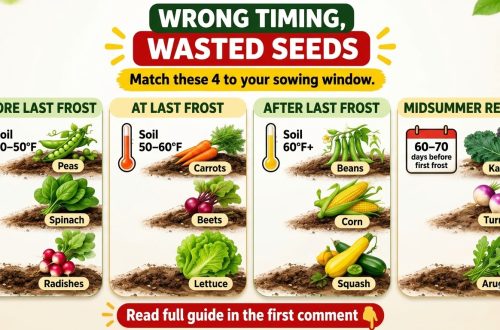
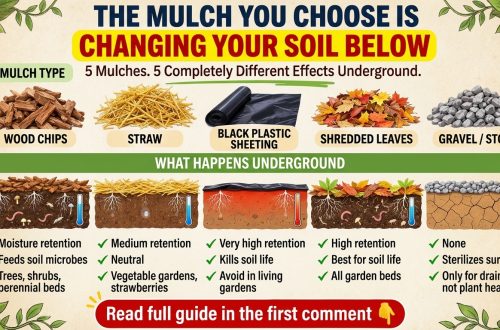
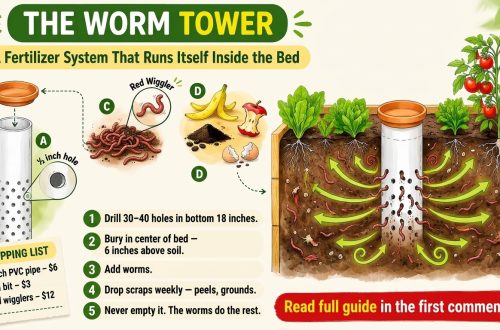
March is one of the most exciting months for gardeners. Days are getting longer, the soil is warming up, and it is the perfect time to start seeds indoors so your spring lineup is ready when the weather settles. This guide walks you through which seeds to start, the basic supplies you need, and simple steps for healthy seedlings.
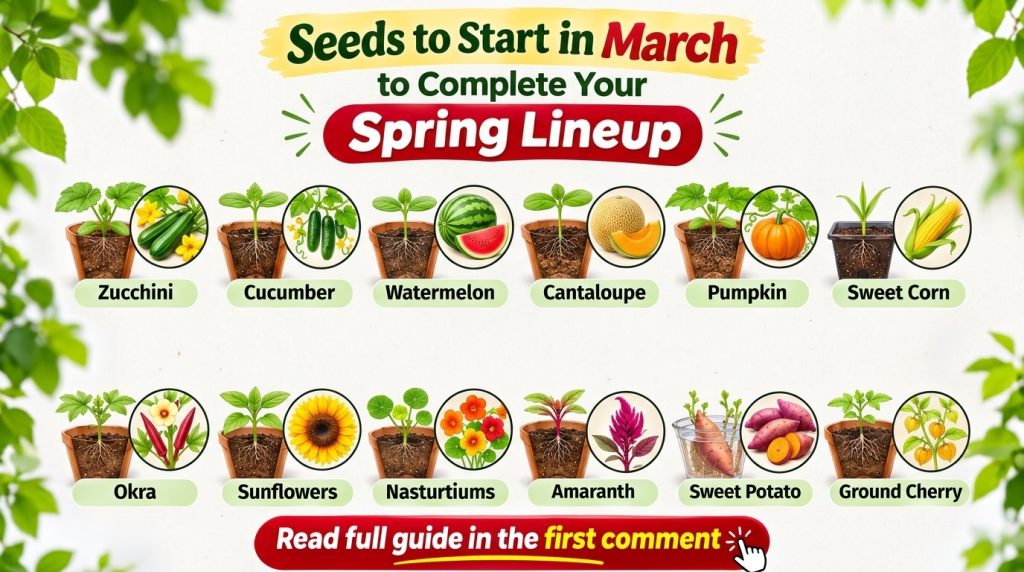
Why Start Seeds in March?
Many popular vegetables and flowers need a head start indoors before they can go outside. Starting in March gives slow-growing plants enough time to develop strong roots and sturdy stems. When the outdoor temperature becomes suitable, your seedlings are ready to transplant instead of being sown late in the season.
Plants to Consider for Your Spring Lineup
Choosing the right plants makes seed starting easier and more rewarding. Consider a mix of vegetables, herbs, and flowers so your garden stays productive and colorful.
- Tomatoes and peppers: Warm-season crops that benefit from an early indoor start.
- Broccoli and cabbage: Cool-season vegetables that handle light frosts once established.
- Onions and leeks: Slow growers that appreciate a long indoor season.
- Herbs such as basil and parsley: Easy to grow and useful in the kitchen all season.
- Flowers like marigolds and zinnias: Cheerful blooms that also attract pollinators.
Essential Supplies for Seed Starting
You do not need expensive equipment to get started. A few basic items will help your seeds sprout and grow well:
- Seed trays or small pots with drainage holes.
- A sterile seed starting mix, which is lighter and cleaner than garden soil.
- A bright windowsill or a simple grow light placed close to the seedlings.
- A spray bottle or watering can with a fine rose for gentle watering.
- Plant labels so you can keep track of each variety.
Step-by-Step Seed Starting Process
- Moisten the seed mix before filling your trays so it is damp but not soggy.
- Sow seeds at the depth listed on the seed packet, usually about two to three times the seed’s width.
- Cover and label each tray, then keep it warm until the first sprouts appear.
- Provide light as soon as seedlings emerge, since weak light often leads to leggy growth.
- Water carefully from below or with a gentle mist to keep the surface from washing away.
- Thin and transplant once seedlings develop their first true leaves, moving them into larger pots if needed.
Common Mistakes to Avoid
Even experienced gardeners run into a few problems. Overwatering is one of the most common causes of seedling loss, so let the top layer of mix dry slightly between waterings. Insufficient light is another frequent issue, which is why a bright spot or grow light matters. Finally, remember to harden off your seedlings by gradually introducing them to outdoor conditions over one to two weeks before planting them in the garden.
Bringing Your Spring Garden Together
Starting seeds in March is a rewarding way to plan a productive and beautiful garden. With a thoughtful mix of vegetables, herbs, and flowers, careful watering, and good light, you can build a spring lineup you are proud of. Take notes on what grows well in your space, and use those lessons to make next season even better.