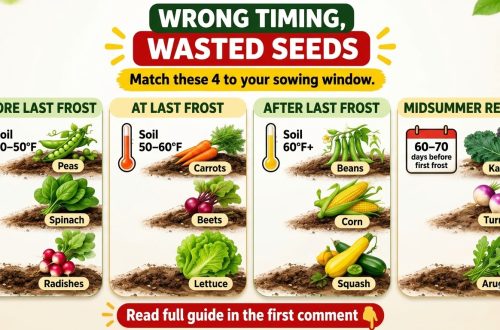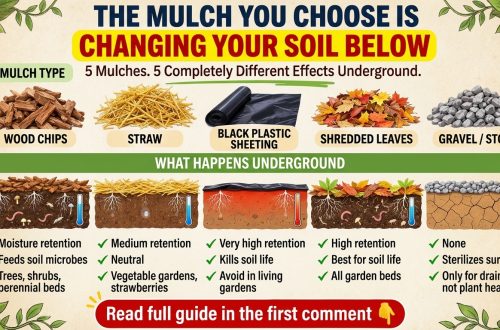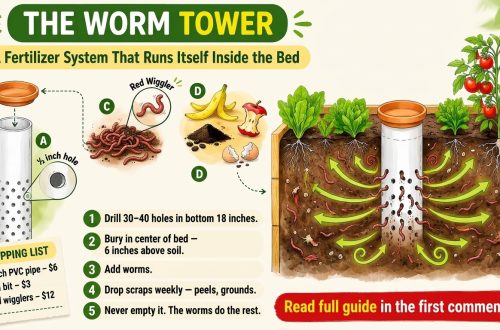
Pests are one of the most common frustrations for gardeners who want to grow vegetables without relying on harsh products. The good news is that a little planning can make your garden more resilient. Companion planting, the practice of growing certain plants together so they support one another, is a gentle and practical way to reduce pest pressure while keeping your soil and harvest healthy.
What Is Companion Planting?
Companion planting means placing plants near each other for mutual benefit. Some plants attract beneficial insects such as ladybugs and hoverflies, which feed on aphids. Others have strong scents that can confuse or deter pests that search for their favorite crops. Some flowers also bring pollinators into the garden, which can improve yields for fruiting vegetables.
Common Companion Pairs to Try
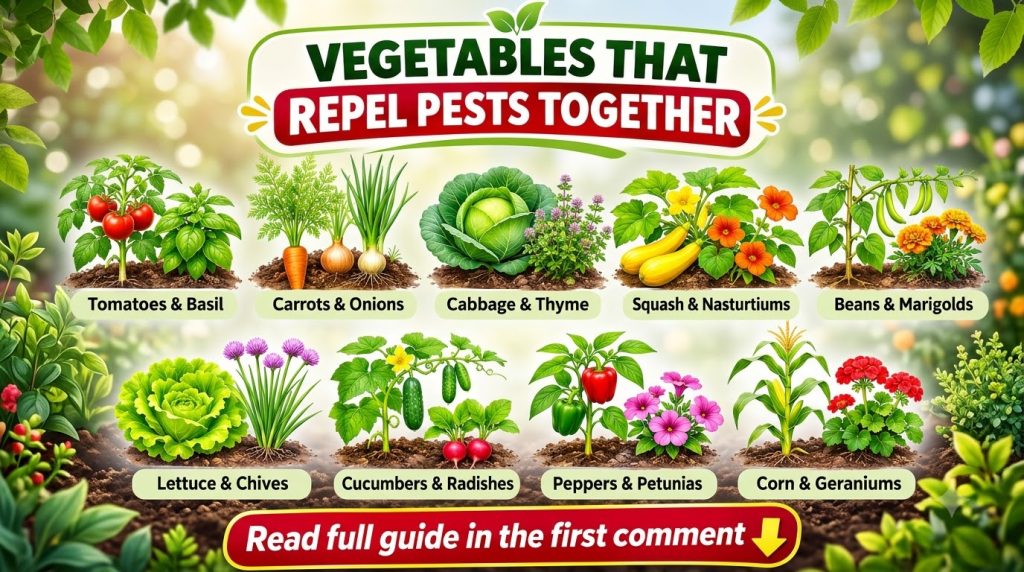
The infographic highlights pairings that gardeners have used for generations. While results vary from garden to garden, these combinations are worth considering:
- Tomatoes and basil: Basil is often grown near tomatoes, and many gardeners find that its aroma helps keep some pests away.
- Carrots and onions: Onions can help discourage carrot flies, while carrots add ground cover between onion rows.
- Cabbage and dill or thyme: Aromatic herbs can make brassica beds less inviting to some common pests and attract helpful insects.
- Vegetables and marigolds: Marigolds are popular for their bright flowers and are often planted along borders to attract beneficial insects.
- Beans and radishes: Radishes are commonly grown near beans as a simple companion combination for small spaces.
Tips for Planning Your Pest-Smart Garden
- Observe first. Spend a few weeks watching which pests appear in your garden so you can choose companions that match your specific problems.
- Mix instead of mass planting. Diverse planting makes it harder for pests to find and spread across a single crop.
- Plant flowers for pollinators. Calendula, cosmos, and alyssum bring helpful insects close to your vegetables.
- Rotate crops each season. Changing planting locations reduces the buildup of soil-borne pests and diseases.
- Keep the soil healthy. Compost and mulch support strong plants, which are naturally better able to withstand pest damage.
Keep Expectations Realistic
Companion planting is a helpful part of an organic approach, but it is not a guarantee against every pest. Combine it with regular inspection, hand-picking larvae, using row covers, and encouraging natural predators like birds and beneficial insects. Consistent care over the season usually makes the biggest difference.
Start Small This Season
You do not need a large garden to benefit from companion planting. Choose one or two vegetable beds, add a few herbs and flowers around the edges, and take notes on what you see. Over time, you will learn which combinations work best in your climate and soil, and your garden will become more balanced and enjoyable to tend.