Nourishing Your Inner Organs: A Guide to Diet for Optimal Health
Every bite you take has a profound impact on your body, particularly on the health and function of your vital organs. Just as a plant needs the right soil and water to thrive, your organs depend on the nutrients you provide through your diet. From supporting your heart’s tireless work to aiding your liver’s detoxification processes, food acts as both a protector and, sometimes, a potential stressor. Understanding this intricate relationship is key to cultivating long-term wellness and vitality.
In a world bustling with processed foods and quick fixes, it’s easy to overlook the foundational role of whole, nutritious ingredients. However, by making conscious dietary choices, you can actively contribute to the optimal functioning of your internal systems, helping them to perform at their best and support your overall well-being. Let’s delve into how specific foods can be your organs’ best allies.
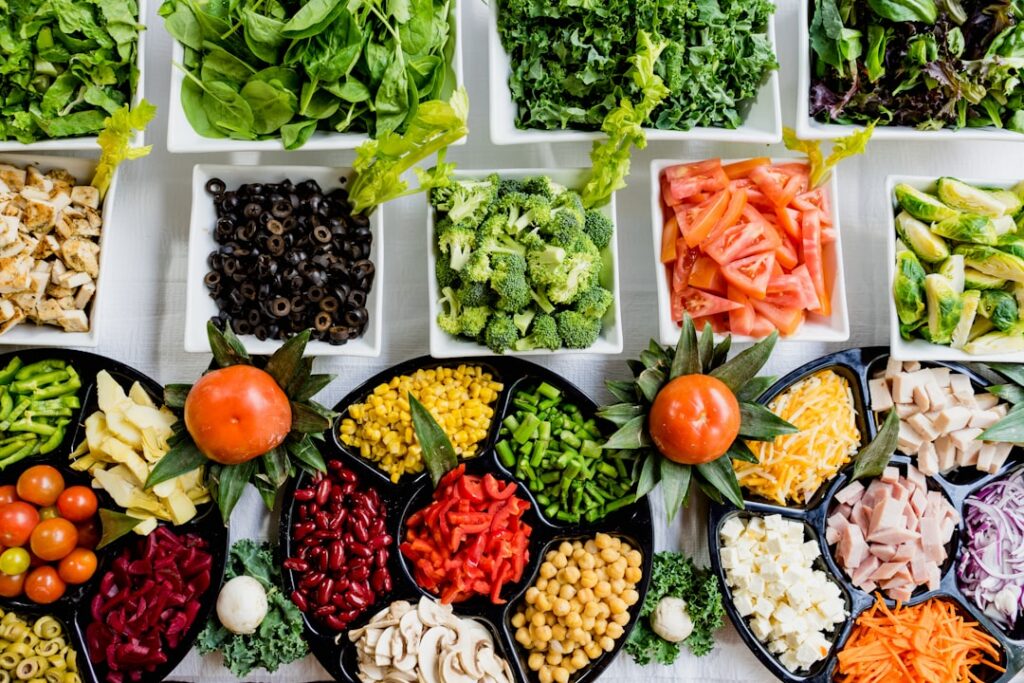 A bounty of nature’s best for your body.
The Power of Your Plate: How Food Influences Organ Function
Your organs are constantly working to keep you alive and thriving. The heart pumps blood, the lungs breathe, the kidneys filter, and the liver detoxifies. Each of these complex operations requires a steady supply of specific nutrients, antioxidants, and anti-inflammatory compounds. Conversely, diets high in processed foods, unhealthy fats, excessive sugar, and alcohol can introduce toxins, create oxidative stress, and trigger chronic inflammation, which over time, may burden and potentially damage organ tissues.
By choosing nutrient-dense foods, you equip your body with the tools it needs to:
- Reduce inflammation: Chronic inflammation is a root cause of many diseases, including those affecting organs.
- Provide antioxidants: These compounds protect cells from damage caused by free radicals.
- Support detoxification: Aid the liver and kidneys in processing and eliminating waste.
- Ensure proper function: Deliver essential vitamins, minerals, and macronutrients for organ processes.
Key Organs and Their Dietary Allies
Heart Health: The Engine of Your Body
Your heart is a muscle that works tirelessly every second of your life. A diet rich in specific nutrients can significantly support cardiovascular health.
- Embrace: Omega-3 fatty acids (found in fatty fish like salmon, flaxseeds, chia seeds), fiber (oats, beans, fruits, vegetables), whole grains, lean proteins, and antioxidant-rich berries.
- Limit: Trans fats (often found in fried foods and baked goods), excessive saturated fats, high sodium intake, and refined sugars.
Liver Support: Your Body’s Detoxification Hub
The liver is responsible for over 500 vital functions, including detoxification, metabolism, and nutrient storage. Supporting it through diet is crucial.
- Embrace: Cruciferous vegetables (broccoli, cauliflower, kale), leafy greens, berries, garlic, turmeric, lean proteins, and plenty of water.
- Limit: Excessive alcohol, highly processed foods, sugary beverages, and excessive intake of unhealthy fats.
Kidney Care: The Body’s Filtration System
Your kidneys filter waste products from your blood and maintain fluid balance. A kidney-friendly diet helps them perform efficiently.
- Embrace: Low-sodium foods, adequate hydration (pure water), fruits and vegetables (like apples, cranberries, bell peppers), and moderate, high-quality protein.
- Limit: Excessive sodium, high-phosphate foods (in some processed items), and very high protein diets, especially for those with existing kidney concerns (always consult a healthcare professional).
Gut Health: The “Second Brain”
A healthy gut microbiome is increasingly recognized as fundamental to overall health, impacting everything from immunity to mood, and nutrient absorption.
- Embrace: Probiotic-rich foods (yogurt, kefir, sauerkraut), prebiotic fibers (onions, garlic, bananas, oats), and a wide variety of plant-based foods to nourish diverse gut bacteria.
- Limit: Artificial sweeteners, excessive antibiotics, and highly processed foods that can disrupt the microbial balance.
Brain Power: Fueling Your Mind
Your brain, like your heart, requires consistent energy and protection. Diet plays a significant role in cognitive function and mental well-being.
- Embrace: Omega-3 fatty acids (fish, walnuts), antioxidants (blueberries, dark chocolate), whole grains, and vegetables.
- Limit: Excessive sugar, trans fats, and highly processed foods that can lead to brain fog and impact cognitive health.
Foods to Embrace for Optimal Organ Wellness
To summarize, here’s a general list of food groups to prioritize:
- Fruits and Vegetables: A rainbow of colors ensures a wide spectrum of vitamins, minerals, and antioxidants. Aim for 5-9 servings daily.
- Whole Grains: Oats, quinoa, brown rice, and whole wheat provide fiber, B vitamins, and sustained energy.
- Lean Proteins: Fish, poultry, beans, lentils, and nuts support muscle repair and overall cellular function without excess saturated fat.
- Healthy Fats: Avocados, olive oil, nuts, and seeds provide essential fatty acids for cellular health and inflammation reduction.
- Water: The purest form of hydration is crucial for every bodily process, especially kidney and liver function.
Foods to Limit or Avoid
To protect your organs and minimize stress on their systems, consider reducing your intake of:
- Processed Foods: Often high in unhealthy fats, sugar, and sodium.
- Excessive Sugar: Contributes to inflammation, weight gain, and can burden the liver.
- Unhealthy Fats: Trans fats and excessive saturated fats can harm cardiovascular health.
- Excessive Alcohol: Can severely impact liver health and overall well-being.
- High Sodium Intake: May contribute to high blood pressure, straining the heart and kidneys.
Practical Tips for an Organ-Friendly Diet
Making sustainable changes doesn’t have to be overwhelming. Start with small, consistent steps:
- Hydrate Mindfully: Drink plenty of water throughout the day.
- Cook at Home: This gives you control over ingredients, especially sodium, sugar, and fat content.
- Read Labels: Become an expert at identifying hidden sugars, unhealthy fats, and excessive sodium in packaged foods.
- Prioritize Whole Foods: Fill your plate with foods that are as close to their natural state as possible.
- Listen to Your Body: Pay attention to how different foods make you feel and adjust accordingly.
Conclusion
Your diet is a powerful tool, a daily opportunity to nourish and protect the incredible organs that keep you functioning. By embracing whole, nutrient-rich foods and being mindful of those that can cause harm, you invest in a future of robust health and vitality. Remember, small, consistent choices add up to significant long-term benefits for your entire body. Begin your journey towards optimal organ health today, one delicious and wholesome meal at a time!