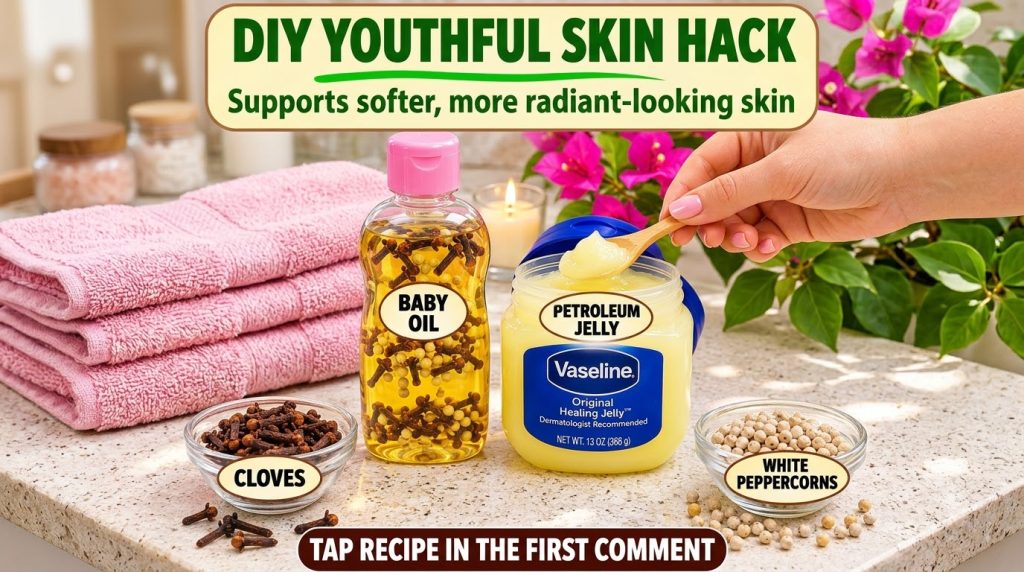
If you have seen a viral DIY clove and peppercorn oil promising radiant skin, you are not alone. The idea of a warm, homemade beauty oil made from pantry items is appealing. However, cloves and white peppercorns are strong botanicals that can irritate the skin, and a homemade oil with no preservative can spoil or collect bacteria over time. That is why this article skips that recipe and shares a gentler alternative instead.
Below you will find a simple DIY body balm made with shea butter and jojoba oil. It can help skin feel softer and more comfortable, especially on dry areas like elbows, knees, and hands. You will learn exactly what to buy, how to make it in a small batch, how to use it safely, and how to store it.
Beauty Recipe Overview
- Recipe Name: Gentle Shea and Jojoba Body Balm
- Beauty Category: Body care and hand care
- Suitable Skin Type: Dry or rough-feeling skin on body areas such as elbows, knees, and hands
- Preparation Time: About 15 minutes, including cooling
- Application Time: 1 to 2 minutes per area
- Total Time: About 20 minutes
- Difficulty Level: Easy
- Yield: About 1/2 cup (roughly 120 ml)
- Recommended Usage Frequency: Once or twice daily on targeted dry areas, or as needed
- Storage Recommendation: Airtight, clean, dry jar in a cool place away from sunlight, used within about 2 months
Why You Will Love This Recipe
- It uses just two main ingredients that are easy to find.
- It takes about 20 minutes from start to finish.
- It is budget-friendly and simple to customize.
- It avoids strong spices and irritating botanicals.
- It works well as an occasional self-care step after a shower.
Complete Ingredients
- 2 tablespoons unrefined shea butter, broken into small pieces
- 1 tablespoon jojoba oil (cosmetic grade)
- Optional: 1 teaspoon sweet almond oil, if you prefer a slightly richer feel and do not have a tree nut allergy
Substitution note: If you have a nut allergy, skip the optional sweet almond oil and use only jojoba oil. Choose cosmetic-grade oils from a trusted supplier, not food-only products with unclear labels.
Equipment Needed
- Small heatproof bowl or double boiler
- Small saucepan
- Clean spoon or small whisk
- Clean, dry glass jar with a lid
- Measuring spoons
Step-by-Step Preparation
- Place the shea butter pieces in a heatproof bowl set over a saucepan with about 1 inch of barely simmering water. Heat on low for 3 to 5 minutes, stirring occasionally, until the shea butter is just melted.
- Remove the bowl from the heat. Stir in the jojoba oil and the optional sweet almond oil, if using, until the mixture is smooth.
- Let the mixture cool at room temperature for 10 to 15 minutes. It should look thick and slightly cloudy at the edges, not hot to the touch.
- Whip the mixture gently with a clean spoon or small whisk for 2 to 3 minutes. It should become soft, creamy, and spreadable. If it is still too runny, let it cool for a few more minutes and whip again.
- Spoon the balm into a clean, dry glass jar. Leave the lid off until the balm is completely cool, then close the lid tightly.
How to Apply the Body Balm
This balm is intended for the body, especially dry areas. Apply it to clean, slightly damp skin after a shower, since moisture on the skin helps it feel softer. Take a small amount, about the size of a pea for hands or a coin for elbows and knees, and warm it between your fingers. Massage it gently into the skin using smooth, light strokes.
Avoid the eyes, the inside of the nose and mouth, and any broken, cut, or irritated skin. Shea butter can feel heavy and may clog pores for some people, so avoid using it on the face unless you have tested it on a small area first. Wash your hands after use. There is no need to rinse the balm off.
Ingredient Benefits
Shea butter is a rich, solid fat that can help skin feel softer and more comfortable. It is often used in body balms because it forms a light protective layer that can reduce moisture loss. It is still an oil-based product, so some people may feel it is too heavy for areas that break out easily.
Jojoba oil is a liquid plant wax that feels smooth and light on the skin. It can help balance the texture of thicker butters and leave a soft, non-greasy feel. Remember that moisturizing benefits are typically temporary and depend on how often you use the product.
Sweet almond oil, if used, can add a silky feel. It is not suitable for people with tree nut allergies.
Recommended Frequency
Most people can use this balm once or twice a day on dry body areas, such as elbows, knees, and hands. If your skin feels tight or itchy, you may use it more often, but stop if irritation appears. Avoid using it on skin that is cracked, bleeding, or infected. Do not combine it with exfoliating scrubs right before use, as this can make skin more sensitive.
Expert Beauty Tips
- Apply the balm right after a shower to help lock in moisture.
- Use a small amount at first. You can always add more.
- Keep a small jar by your bed for dry heels or elbows at night.
- Choose a gentle cleanser so the balm can work on clean skin.
- If the balm feels too firm in cold weather, keep the jar in a warm room for a few minutes before use.
- Use a clean spoon each time to protect the jar from contamination.
Safe Recipe Variations
- Jojoba only: Skip the almond oil for a lighter feel or for a nut allergy. This version may be slightly less rich.
- Extra softness: Increase the jojoba oil by 1 teaspoon for a softer, easier-to-spread texture. Do not add spices, citrus oils, or essential oils.
- Fragrance-free version: Keep the recipe as written. Avoid adding perfume or essential oils, which can irritate sensitive skin.
Storage and Shelf Life
This balm contains no water, which makes it less likely to grow bacteria than water-based creams. However, it is not preserved, so oils can slowly go rancid over time. Make small batches and use them within about 2 months. Store the jar in a cool, dry place away from direct sunlight and heat. Do not refrigerate it unless you prefer a firmer texture, and keep the lid closed to limit air exposure.
Discard the balm if it develops a sour, paint-like, or strong unpleasant smell, changes color, looks grainy with liquid pooling, or shows any signs of mold. Refrigeration does not make a homemade cosmetic safe for long-term use.
Safety Precautions
- Patch test before first use. Apply a small amount to the inner forearm and wait 24 hours. A patch test cannot predict every reaction, so stop using the balm if any problem appears.
- Check ingredient labels for nut allergies, especially if you use sweet almond oil.
- Stop using the balm if you notice redness, burning, itching, swelling, or rash.
- Do not apply to broken, infected, or severely irritated skin.
- Keep the balm away from the eyes and do not use it near open flames because shea butter and oils are flammable when heated.
- If you have a persistent skin condition such as eczema, psoriasis, or a rash that does not improve, speak with a doctor or dermatologist before using home remedies.
Common Mistakes to Avoid
- Overheating the shea butter: Melt it gently over low heat to avoid changing its texture and to protect your ingredients.
- Using a wet spoon: Water can introduce bacteria and cause spoilage. Always use clean, dry tools.
- Making a large batch: Small batches stay fresher and are easier to use before the oils go off.
- Adding unsafe ingredients: Cloves, peppercorns, undiluted essential oils, and lemon juice can irritate skin. Keep the recipe simple.
- Assuming natural means safe: Natural ingredients can still cause allergic reactions, so always patch test.
Frequently Asked Questions
Is this body balm suitable for sensitive skin?
It may be gentler than fragranced products because it contains no added fragrance or spices. Still, patch test first, since individual sensitivities vary.
How often can I use it?
Once or twice a day on dry body areas is typical. Stop if irritation occurs.
Can I prepare it in advance?
It is best to make it fresh in small batches and use it within about 2 months.
Should I refrigerate leftovers?
Refrigeration is not necessary and does not make a homemade product safe for long-term storage. Store it in a cool, dry place instead.
Can I replace one of the ingredients?
You can replace the optional almond oil with more jojoba oil. Avoid adding spices or essential oils.
What should I do if my skin becomes irritated?
Wash the area with lukewarm water and a gentle cleanser, then stop using the balm. If redness, swelling, or pain continues, contact a healthcare professional.
Can this recipe replace my regular skincare products?
It works best as an occasional extra for dry body areas. It does not replace sunscreen or medical treatment, and it should be used alongside your usual routine.
Conclusion
This gentle shea and jojoba body balm is an easy, budget-friendly way to give dry areas some extra comfort. With just two main ingredients and about 20 minutes of preparation, it fits well into a simple self-care routine. Choose small batches, patch test, and keep your tools clean for the best results.
Consistent, gentle care is what helps skin feel its best, so enjoy the process and take care of your skin one step at a time!