Dry fruits are nature’s concentrated powerhouses, packed with essential nutrients that can significantly contribute to your overall well-being. Far from just a tasty snack, these dried delights offer a convenient and potent source of vitamins, minerals, and antioxidants that may help support vital bodily functions.
From boosting brainpower to safeguarding your heart, and from aiding digestion to strengthening your bones, incorporating a variety of dry fruits into your diet is a simple yet effective way to nurture your health. Let’s dive deeper into the incredible benefits these natural treasures offer, exploring how specific dry fruits and their unique nutrient profiles can support your body’s most important systems.
Your Daily Dose of Wellness: Key Nutrients in Dry Fruits
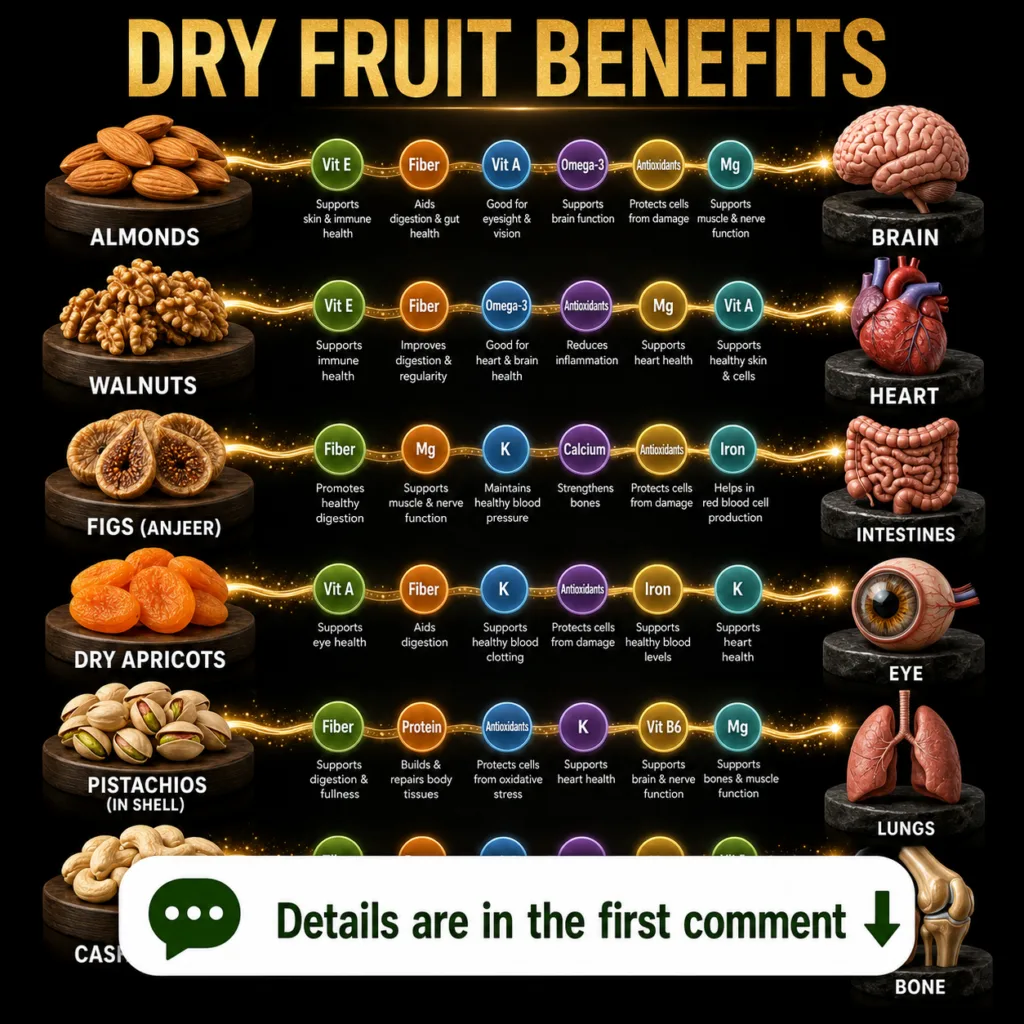
The secret behind the immense benefits of dry fruits lies in their dense nutritional content. While each variety boasts its own unique profile, several key nutrients are prominently featured across various dry fruits and are instrumental in supporting diverse bodily functions:
- Vitamin E: A powerful antioxidant known for protecting cells from damage, supporting immune function, and promoting healthy skin and eyes.
- Fiber: Crucial for digestive health, fiber helps maintain bowel regularity, supports a healthy gut microbiome, and can contribute to feelings of fullness.
- Omega-3 Fatty Acids: Essential fats primarily recognized for their role in brain health, reducing inflammation, and supporting cardiovascular function.
- Magnesium: A vital mineral involved in over 300 biochemical reactions in the body, including muscle and nerve function, blood glucose control, blood pressure regulation, and bone health.
These core nutrients, among many others, work synergistically to provide a wide spectrum of health advantages.
Specific Dry Fruits and Their Remarkable Contributions
Each type of dry fruit brings its own unique set of benefits to the table. Let’s explore some popular varieties and the targeted support they may offer:
Almonds: The Brain and Beauty Booster
Almonds are celebrated for their rich content of Vitamin E, an antioxidant that may help protect brain cells from oxidative stress and contribute to maintaining cognitive function. Beyond the brain, Vitamin E also plays a role in promoting healthy skin and vision. Furthermore, almonds are a good source of magnesium, which is crucial for nerve function and may help improve sleep quality.
Walnuts: Fuel for Your Brain and Heart
Often called “brain food” due to their appearance, walnuts are uniquely high in Omega-3 fatty acids, particularly alpha-linolenic acid (ALA). These essential fats are vital for brain health, potentially supporting memory and cognitive function. Omega-3s also contribute to heart health by helping to reduce inflammation and supporting healthy cholesterol levels.
Figs: Your Digestive and Bone Health Ally
Figs are an excellent source of dietary fiber, making them a fantastic choice for supporting digestive regularity and a healthy gut. The fiber content can also contribute to satiety, aiding in weight management. Additionally, figs contain magnesium, a mineral that plays a significant role in bone formation and maintaining bone density, making them beneficial for skeletal health.
Dry Apricots: For a Happy Gut and Vitality
These sweet and tangy delights are rich in fiber, which is paramount for maintaining a healthy digestive system. Consuming dry apricots can aid in preventing constipation and promoting regular bowel movements. Their natural sweetness also makes them a satisfying energy booster.
Pistachios: A Heart-Healthy, Fiber-Rich Choice
Pistachios are not only delicious but also a great source of fiber and beneficial plant compounds. The fiber in pistachios supports digestive health and may contribute to heart health by helping manage cholesterol levels. They also provide various antioxidants that contribute to overall cellular protection.
Cashews: Magnesium for Bones and Beyond
Though often partially visible in mixes, cashews are a significant contributor to your mineral intake, particularly magnesium. This mineral is fundamental for strong bones and teeth, working in conjunction with calcium. Magnesium in cashews also supports muscle and nerve function and may help regulate blood sugar levels.
Organ-Specific Benefits: How Dry Fruits Support Your Body
The nutrients found in dry fruits offer targeted support for various vital organs, contributing to their optimal function and long-term health:
Nourishing Your Brain for Peak Performance
With their abundance of Omega-3s and Vitamin E, dry fruits like walnuts and almonds are excellent choices for supporting cognitive function, memory, and overall brain health.
Supporting a Strong and Healthy Heart
Many dry fruits, especially walnuts and almonds, are rich in heart-friendly nutrients like Omega-3 fatty acids and magnesium, which may help maintain healthy blood pressure and cholesterol levels, contributing to cardiovascular wellness.
Promoting Optimal Digestive Health
Figs, dry apricots, and pistachios are high in dietary fiber, which is essential for a well-functioning digestive system, promoting regularity and supporting a balanced gut microbiome.
Protecting Your Precious Eyesight
Almonds, with their significant Vitamin E content, contribute to protecting the eyes from oxidative damage and may play a role in maintaining good vision as you age.
Building and Maintaining Strong Bones
Magnesium-rich dry fruits like figs, almonds, and cashews are crucial for bone health, aiding in bone formation and mineral density, which can help prevent conditions like osteoporosis.
Indirect Support for Lung Health
While not directly targeting lung diseases, the antioxidant properties of dry fruits, particularly Vitamin E found in almonds, contribute to overall cellular health and may help protect delicate lung tissues from environmental damage and oxidative stress.
How to Incorporate More Dry Fruits into Your Diet
Adding dry fruits to your daily routine is simple and versatile. Here are some ideas:
- Snacks: A handful of mixed dry fruits makes for a quick, energizing, and satisfying snack.
- Breakfast Boost: Sprinkle chopped dry fruits over oatmeal, yogurt, or cereal.
- Baking: Incorporate them into muffins, bread, or energy bars.
- Salads: Add a touch of sweetness and texture to savory salads.
- Smoothies: Blend them into your favorite smoothie recipes for added nutrients.
Remember that while nutritious, dry fruits are also calorie-dense due to their concentrated nature. Enjoy them in moderation as part of a balanced diet.
Final Thoughts on Dry Fruit Benefits
Dry fruits are truly a gift from nature, offering a wealth of concentrated nutrients that can significantly enhance your health. By understanding the specific benefits of varieties like almonds, walnuts, figs, dry apricots, pistachios, and cashews, and the vital role of nutrients such as Vitamin E, fiber, Omega-3, and magnesium, you can make informed choices to nourish your body.
From supporting your brain and heart to aiding digestion and strengthening bones, these small but mighty foods are an excellent addition to any wellness-focused diet. Embrace the power of dry fruit benefits for a healthier, more vibrant you.