When we talk about alcohol consumption, the liver often takes center stage in discussions about health risks. However, the truth is that alcohol’s widespread effects extend far beyond this single organ, influencing nearly every system in your body. From your brain and heart to your digestive tract and kidneys, regular alcohol intake can have profound and often surprising impacts on your overall well-being.
Understanding these effects is crucial for making informed choices about your health. This article delves into how alcohol interacts with your vital body systems, revealing the comprehensive reach of its influence and emphasizing why responsible consumption matters.
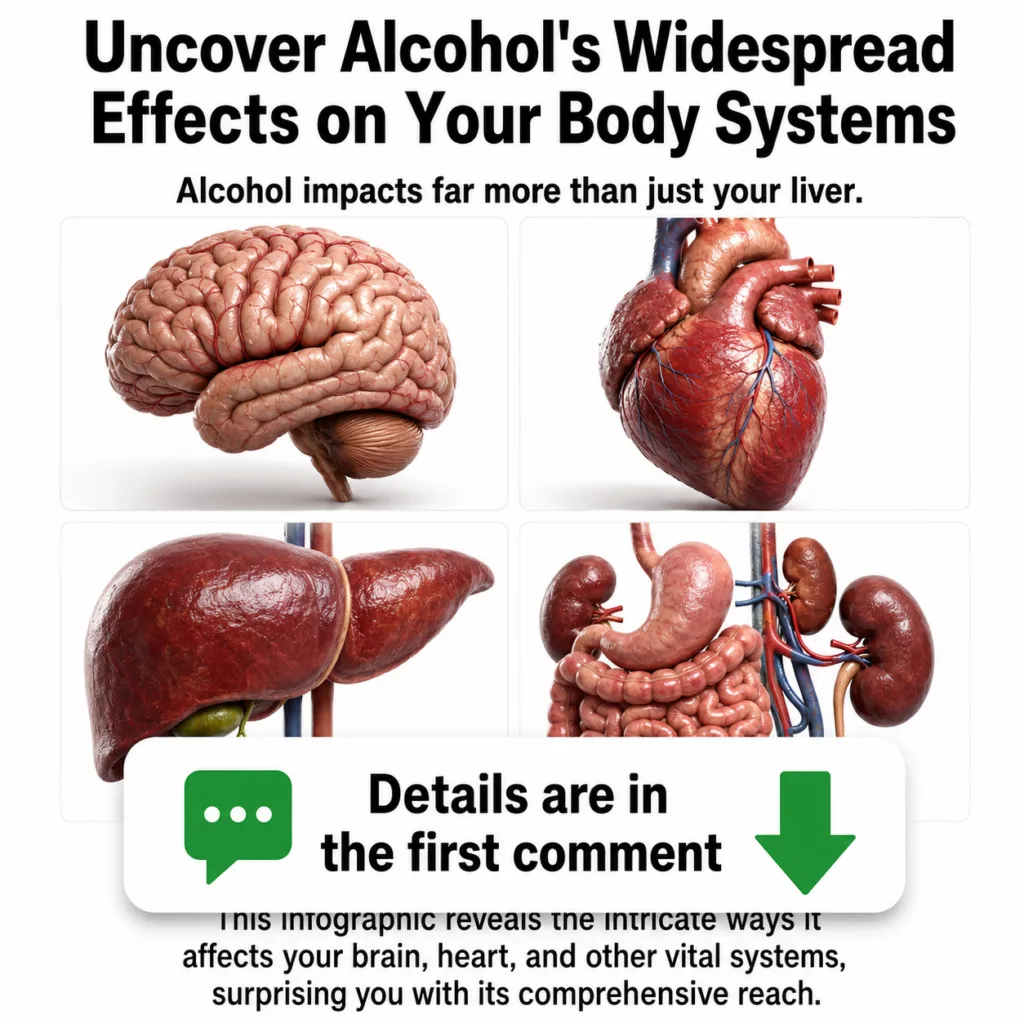
The Brain: Alcohol’s Impact on Cognitive Function
The brain is one of the most susceptible organs to alcohol’s effects. Even in small amounts, alcohol can alter brain chemistry, affecting neurotransmitters responsible for mood, coordination, and judgment.
Short-Term Effects:
- Impaired Coordination and Motor Skills: Leading to difficulty walking, slurred speech, and slower reaction times.
- Memory Lapses and Blackouts: Alcohol can interfere with the brain’s ability to form new memories, resulting in temporary amnesia.
- Altered Judgment: Affecting decision-making processes and increasing impulsive behaviors.
Long-Term Effects:
Chronic alcohol abuse can lead to more serious and lasting damage:
- Brain Shrinkage: Prolonged exposure can cause a reduction in brain volume, impacting cognitive abilities.
- Cognitive Decline: Resulting in difficulties with memory, problem-solving, attention, and learning.
- Neurological Disorders: Increased risk of conditions like Wernicke-Korsakoff Syndrome, characterized by severe memory problems.
- Mental Health Concerns: Worsening or contributing to depression, anxiety, and other mood disorders.
The Heart: Alcohol and Cardiovascular Health
While some studies suggest a moderate amount of certain types of alcohol may offer minimal cardiovascular benefits for some individuals, excessive or chronic drinking poses significant risks to heart health.
Negative Impacts Include:
- High Blood Pressure (Hypertension): Regular heavy drinking can elevate blood pressure, a major risk factor for heart disease and stroke.
- Weakened Heart Muscle (Alcoholic Cardiomyopathy): Over time, alcohol can damage the heart muscle, leading to an enlarged heart that struggles to pump blood effectively throughout the body.
- Irregular Heartbeats (Arrhythmias): Alcohol can trigger conditions like atrial fibrillation, increasing the risk of blood clots and stroke.
- Increased Stroke Risk: Both ischemic and hemorrhagic strokes are linked to heavy alcohol consumption.
The Liver: A Deeper Look at Alcohol’s Most Known Target
The liver is primarily responsible for metabolizing alcohol, making it particularly vulnerable to damage. While it’s the most commonly associated organ, understanding the progression of liver disease is vital.
Common Liver Conditions Related to Alcohol:
- Fatty Liver (Steatosis): The earliest stage, where fat accumulates in liver cells. It’s often reversible with abstinence.
- Alcoholic Hepatitis: Inflammation of the liver, which can be severe and life-threatening. Symptoms include jaundice, fever, and abdominal pain.
- Cirrhosis: Advanced scarring of the liver, leading to irreversible damage and impaired liver function. Cirrhosis can lead to liver failure, requiring a transplant.
- Liver Cancer: Chronic liver damage from alcohol significantly increases the risk of developing liver cancer.
The Digestive & Excretory Systems: Stomach, Intestines, and Kidneys
Beyond the brain, heart, and liver, alcohol also wreaks havoc on your digestive tract and vital filtration systems.
Effects on the Stomach and Intestines:
- Gastritis: Alcohol irritates the lining of the stomach, leading to inflammation, pain, nausea, and vomiting. It can also increase acid production and contribute to ulcers.
- Damage to Intestinal Lining: Impairing the absorption of essential nutrients like vitamins and minerals, potentially leading to malnutrition.
- Pancreatitis: Alcohol abuse is a leading cause of inflammation of the pancreas, a gland vital for digestion and blood sugar regulation. This can cause severe abdominal pain and digestive issues.
- Diarrhea and Digestive Upset: Disrupting the normal functioning of the bowels.
Impact on the Kidneys:
The kidneys play a crucial role in filtering waste and regulating fluid balance, functions that alcohol can disrupt.
- Dehydration: Alcohol acts as a diuretic, causing the body to lose more fluid than it takes in, leading to dehydration.
- Electrolyte Imbalance: Dehydration can lead to imbalances in important electrolytes like sodium, potassium, and magnesium, which are essential for proper bodily functions.
- Impaired Kidney Function: Chronic heavy drinking can hinder the kidneys’ ability to filter blood and regulate fluid, potentially contributing to kidney disease.
Final Thoughts
The extensive reach of alcohol’s effects underscores the importance of mindful consumption. It’s clear that while the liver is a primary target, the brain, heart, digestive system, and kidneys also bear significant burdens from alcohol intake. Understanding these widespread impacts empowers you to make healthier choices and prioritize your well-being. If you are concerned about your alcohol consumption or its effects on your health, please consult with a healthcare professional.
Medical Disclaimer
The information provided in this article is for educational purposes only and is not intended as medical advice. Always consult with a qualified healthcare professional for any health concerns or before making any decisions related to your health or treatment.