Wood ash is one of those humble byproducts of a cozy fireplace or backyard fire pit that many gardeners overlook. Used thoughtfully, it can support a healthier garden and a more sustainable routine. The key word is thoughtfully, because wood ash is alkaline and works best when you understand what it does and when it is not the right choice.
What Is Wood Ash Good For in the Garden?
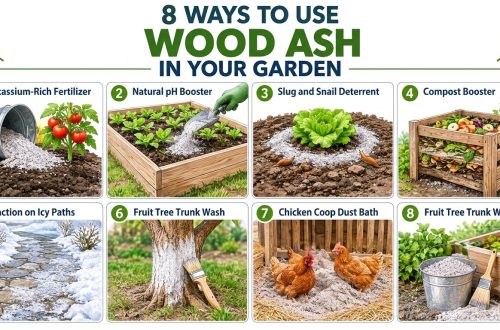
Ash from clean, untreated hardwood contains small amounts of minerals that plants use, including potassium and calcium, along with trace elements. It also has a high pH, which means it can raise the alkalinity of soil. That makes it most relevant for gardens with acidic soil, where a gentle lift in pH may be helpful. Wood ash is not a complete fertilizer, so think of it as a supporting amendment rather than a substitute for compost or a balanced feeding plan.
Garden Boost
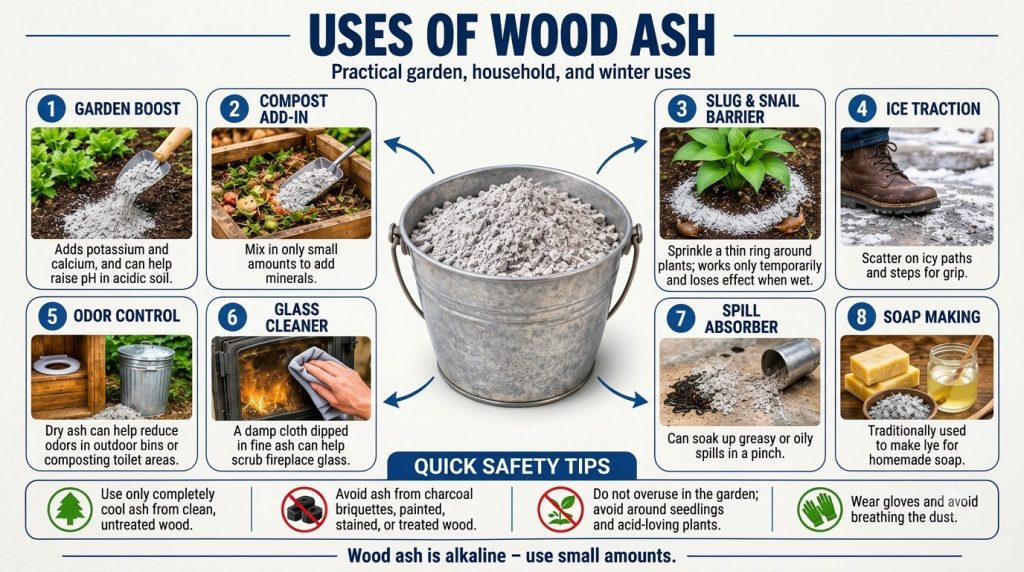
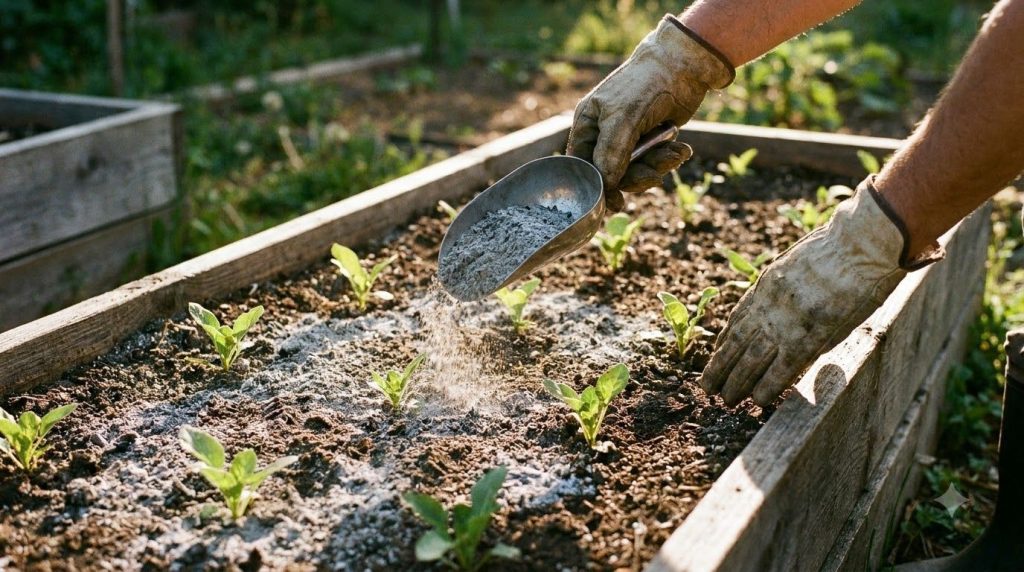
A light dusting of wood ash, spread lightly around established beds and worked into the top inch of soil, can supply some potassium to the garden. It is especially useful for fruiting plants and root vegetables when your soil test shows that potassium is low and acidity is a concern. Always keep applications modest and water the area afterward so the ash settles into the soil instead of blowing around.
Natural Slug and Snail Barrier
Many gardeners sprinkle a thin ring of dry ash around tender seedlings to discourage slugs and snails. The rough, dusty texture can be uncomfortable for soft-bodied pests to cross. This method is not a permanent solution, and it needs to be refreshed after rain, but it is a simple, low-cost option for vulnerable plants.
Compost Helper
Small amounts of wood ash can be added to a compost pile in thin layers, mixed in with green and brown materials. It can help balance acidity in certain compost mixes. Avoid adding large quantities, and never add ash from charcoal briquettes, painted wood, treated lumber, or anything containing chemicals.
Other Everyday Uses for Wood Ash
Beyond the garden, wood ash has a long history in household routines. Some people use it as a traction aid on icy steps and driveways, since the gritty texture gives boots and tires something to grip. Others use a diluted ash and water mixture as a mild glass cleaner, which works best with a soft cloth and a thorough rinse. These uses are simple, but they still call for care, gloves, and keeping ash away from children and pets.
Safety and Smart Precautions
- Use ash only from clean, seasoned, untreated wood. Never use ash from trash, painted or pressure-treated wood, or coal.
- Wear gloves and a dust mask when handling ash, and keep it dry until use.
- Test your soil before applying ash so you know whether your garden needs more alkalinity or potassium.
- Do not apply ash to acid-loving plants such as blueberries, azaleas, rhododendrons, or hydrangeas, as it can raise soil pH and cause problems.
- Store ash in a metal container with a lid, and keep it away from children, pets, and wind.
How to Apply Wood Ash Simply
Start with a small test area and a light layer, then observe your plants over several weeks. Spread the ash thinly, avoid piling it against stems, and water gently. Reapply only when needed, and keep records of your soil test results so you can make informed decisions season after season. Patience and moderation are more useful than heavy applications.
A Greener Habit Worth Exploring
Wood ash can be a practical part of a sustainable gardening approach because it turns a leftover material into something useful. Whether you use it for a gentle soil boost, a light pest barrier, or a helpful compost ingredient, the best results come from knowing your soil, respecting the material, and staying careful. If you have tried wood ash in your garden, share what worked for you in the comments and help other gardeners learn from your experience.