Your brain is the command center of your body, responsible for everything from your thoughts and emotions to your movements and memories. Just like any other part of your body, it benefits from consistent care and attention. Adopting simple daily habits can significantly boost your brain health and overall happiness, leading to remarkable improvements in your well-being.
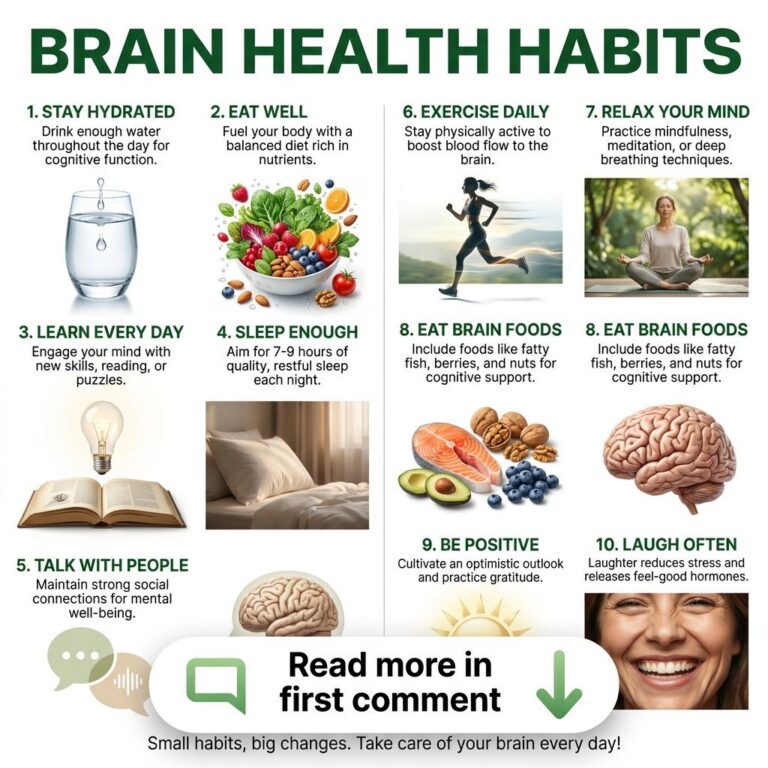
You don’t need to make drastic changes to see a difference. Small, consistent actions can have a profound impact over time. This article will explore 10 easy-to-implement habits that can help you nurture your brain and enhance your quality of life. Let’s dive into how you can start taking better care of your most vital organ today.
1. Stay Adequately Hydrated
Water is essential for nearly every bodily function, and your brain is no exception. Comprising about 75% water, even mild dehydration can impact your brain’s performance, leading to decreased concentration, impaired memory, and mood disturbances. Ensuring you drink enough water throughout the day can significantly support cognitive function and energy levels.
How to Hydrate Effectively:
- Keep a water bottle handy and refill it regularly.
- Start your day with a glass of water.
- Infuse water with fruits like lemon or cucumber for flavor.
- Set reminders on your phone to drink water consistently.
2. Embrace a Balanced, Nutritious Diet
What you eat directly affects your brain’s structure and function. A balanced diet rich in whole foods provides the essential nutrients your brain needs to thrive. Think of your diet as fuel; choosing high-quality fuel helps your brain perform at its best, potentially reducing the risk of cognitive decline.
Foundations of a Brain-Friendly Diet:
- Whole Grains: Provide a steady supply of glucose, the brain’s primary fuel.
- Lean Proteins: Support neurotransmitter production, crucial for mood and cognition.
- Plenty of Vegetables and Fruits: Packed with vitamins, minerals, and fiber.
- Limit Processed Foods: High sugar and unhealthy fats can negatively impact brain health.
3. Engage in Regular Physical Activity
Exercise isn’t just good for your body; it’s fantastic for your brain. Physical activity increases blood flow to the brain, delivering vital oxygen and nutrients. It also promotes the growth of new brain cells and enhances the connections between existing ones, which can improve memory, focus, and problem-solving skills. Moreover, exercise is a powerful mood booster and stress reducer.
Simple Ways to Stay Active:
- Aim for at least 30 minutes of moderate-intensity exercise most days of the week.
- Walking, jogging, cycling, swimming, or dancing are great options.
- Even short bursts of activity, like taking the stairs or a quick walk during lunch, can add up.
4. Practice Mindfulness and Meditation
In our fast-paced world, stress can take a heavy toll on the brain. Mindfulness and meditation practices can help reduce stress, improve attention, and regulate emotions. By focusing on the present moment, you can train your brain to be less reactive to stressors and more adept at maintaining calm and clarity.
Beginner Mindfulness Techniques:
- Start with short guided meditations (5-10 minutes).
- Practice deep breathing exercises to calm your nervous system.
- Pay attention to everyday activities, like eating or walking, noticing sensations without judgment.
5. Commit to Continuous Learning
Keeping your brain engaged and challenged is crucial for its long-term health. Learning new skills, reading, or solving puzzles helps create new neural pathways and strengthens existing ones, enhancing cognitive reserve. This mental stimulation can act as a protective factor against age-related cognitive decline.
Ways to Keep Your Brain Active:
- Learn a new language or musical instrument.
- Read books and articles on diverse topics.
- Engage in puzzles, board games, or strategy games.
- Take online courses or workshops that pique your interest.
6. Prioritize Quality Sleep
Sleep is not just a period of rest; it’s a critical time for brain repair and consolidation. During sleep, your brain processes information, forms memories, and clears out metabolic waste products that accumulate during wakefulness. Chronic sleep deprivation can impair memory, concentration, and mood, and may even contribute to long-term cognitive issues.
Tips for Better Sleep:
- Aim for 7-9 hours of quality sleep per night.
- Maintain a consistent sleep schedule, even on weekends.
- Create a relaxing bedtime routine (e.g., warm bath, reading).
- Ensure your bedroom is dark, quiet, and cool. Limit screen time before bed.
7. Foster Strong Social Connections
Humans are social creatures, and strong social bonds are vital for both mental and brain health. Engaging with others through conversation, shared activities, and emotional support can reduce feelings of loneliness and isolation, which are linked to cognitive decline. Social interaction also stimulates various parts of the brain, promoting mental agility.
Nurturing Your Social Life:
- Regularly connect with friends and family.
- Join clubs, volunteer groups, or community organizations.
- Engage in meaningful conversations and listen actively.
8. Incorporate Specific Brain-Healthy Foods
While a balanced diet is key, certain foods stand out for their exceptional brain-boosting properties. Incorporating these into your regular meals can provide targeted nutritional support for optimal cognitive function.
Key Brain-Nourishing Foods:
- Fatty Fish: Salmon, mackerel, and sardines are rich in Omega-3 fatty acids (EPA and DHA), crucial for brain structure and function.
- Berries: Blueberries, strawberries, and raspberries are packed with antioxidants that protect brain cells from damage.
- Nuts and Seeds: Walnuts, almonds, chia seeds, and flaxseeds provide healthy fats, vitamin E, and antioxidants.
- Avocado: Contains monounsaturated fats that support healthy blood flow to the brain and vitamin K, which aids cognitive function.
- Leafy Green Vegetables: Spinach, kale, and broccoli are excellent sources of vitamins K, lutein, folate, and beta-carotene, all linked to brain health.
9. Cultivate a Positive Mindset
Your thoughts and attitudes can profoundly impact your brain. A positive mindset can reduce stress, improve resilience, and even enhance problem-solving abilities. Chronic negativity and stress, conversely, can lead to detrimental effects on brain health over time.
Practices for Positivity:
- Practice gratitude by listing things you’re thankful for.
- Challenge negative thoughts and reframe them more positively.
- Surround yourself with positive influences.
- Spend time in nature to boost mood.
10. Embrace Laughter
Laughter truly is powerful medicine for the brain and body. It releases endorphins, natural feel-good chemicals, and can reduce stress hormones. Laughter also improves mood, increases social bonding, and can even offer a light form of cognitive exercise by engaging multiple brain regions simultaneously.
Ways to Invite More Laughter:
- Watch funny movies or stand-up comedy.
- Spend time with people who make you laugh.
- Read humorous books or articles.
- Don’t be afraid to laugh at yourself sometimes!
Final Thoughts
Nurturing your brain health is an ongoing journey, not a destination. By integrating these 10 simple habits into your daily routine, you’re not just investing in your cognitive function; you’re also enhancing your overall well-being and happiness. Remember, small, consistent efforts can lead to significant and lasting improvements. Which habit will you try first?
Medical Disclaimer
The information provided in this article is for general knowledge and informational purposes only, and does not constitute medical advice. It is essential to consult with a qualified healthcare professional before making any decisions about your health or treatment.