Some of the best beauty ideas start in the kitchen. A common ingredient that many of us already have on hand is getting attention for its traditional uses in natural skincare, and it may be more interesting than you expect. Let’s take a closer look at what people have used it for, what we know, and how to approach it safely.
Why Everyday Ingredients Capture Our Curiosity
Many of the ingredients used in natural beauty routines were originally found in kitchens, gardens, and pantries. Households passed down simple remedies for hair, skin, and nails long before store shelves were full of specialized products. Today, many people enjoy exploring these traditions because they feel affordable, accessible, and connected to everyday life.
Interest in natural skincare has grown as more people look for simple routines they can understand. Ingredients with a traditional background often appeal to those who prefer a DIY approach and want to know exactly what goes on their skin.
What Traditional Uses Often Involve
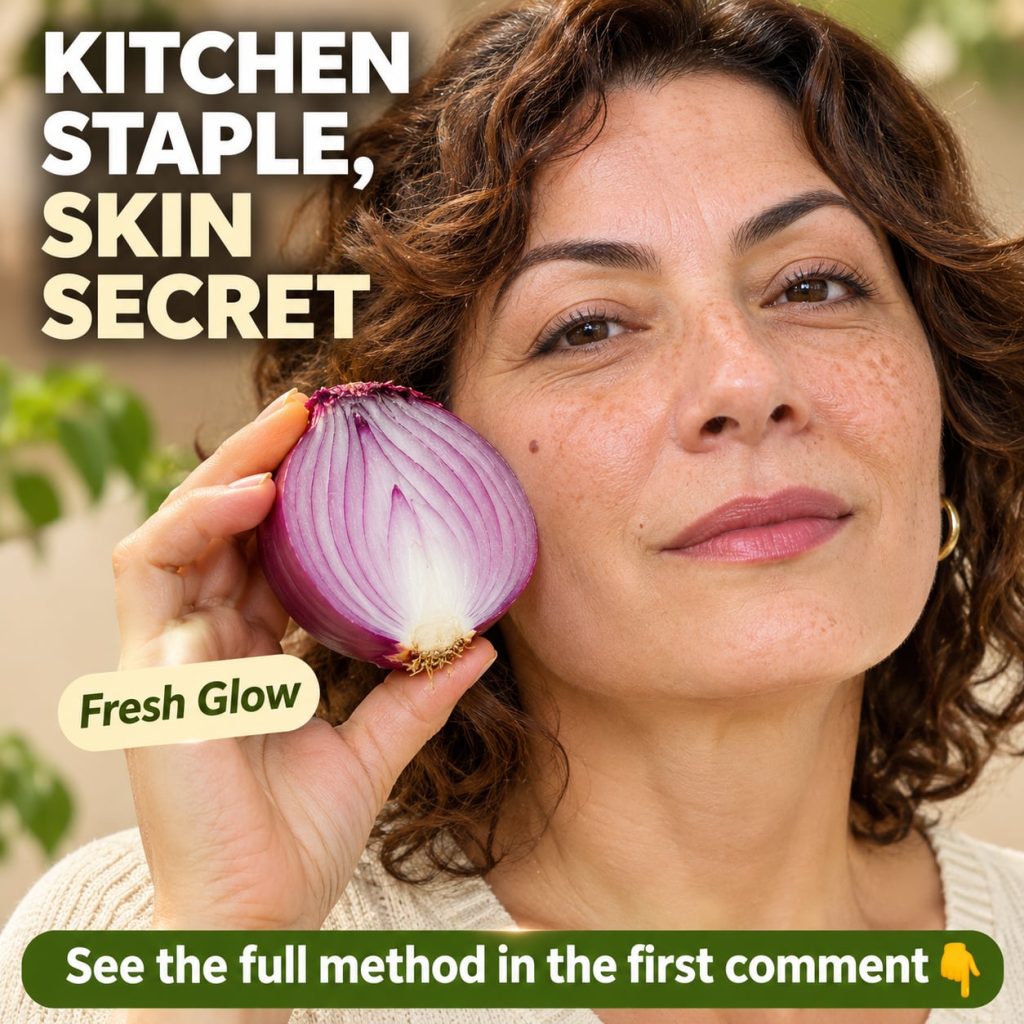
In folk beauty traditions, this kitchen staple is usually mentioned in connection with hair and scalp care rather than facial skin. Some people have also used it in simple topical preparations, sometimes mixed with honey, aloe vera, or plain water. These traditions are largely based on personal experience and cultural practice rather than large clinical studies.
It is worth remembering that a natural ingredient is not automatically gentle. Fresh onion contains compounds that can irritate sensitive skin, and a remedy that works for one person may cause redness or stinging for another.
Simple Safety Tips Before You Try Any Home Remedy
- Always do a patch test on a small area, such as the inner forearm, and wait at least 24 hours before using it more widely.
- Avoid contact with the eyes, lips, and any broken, irritated, or freshly exfoliated skin.
- Choose fresh, clean ingredients and prepare them just before use.
- Stop immediately if you notice burning, itching, swelling, or redness that does not settle.
- Be cautious if you have a skin condition such as eczema or rosacea, and ask a healthcare professional if you are unsure.
A Important Note About Facial Warts
Some people search for home remedies when they notice a bump or growth on their face. Facial warts can look similar to other skin changes, and they should be checked by a qualified professional. A dermatologist or doctor can confirm what you are seeing and recommend treatment that is appropriate for your skin.
Please avoid picking, cutting, or aggressively treating any growth at home. Doing so can increase irritation, lead to infection, or cause scarring. Natural beauty ideas are best used as part of everyday self-care for healthy-looking skin, not as a replacement for medical advice.
How to Build a Gentle, Everyday Skincare Routine
If you enjoy exploring natural beauty, focus on the basics that support skin health over time. Gentle cleansing, daily sun protection, adequate hydration, a nourishing moisturizer, and a balanced diet all contribute to a healthy complexion. Consistency usually matters more than any single ingredient.
Keep a simple beauty journal to track what you try, how your skin responds, and which products or home preparations feel comfortable. This helps you make informed choices and enjoy your routine with confidence.
Final Thoughts
Everyday ingredients can be a fun part of a natural beauty journey, and learning about their traditional uses is a great way to explore your curiosity. Approach any home remedy with patience, a patch test, and realistic expectations. When in doubt, or if you notice any unusual growth on your skin, speak with a healthcare professional. Your skin deserves care that is both enjoyable and safe.