Are you following a ketogenic diet and missing the refreshing taste of fruit? Many people believe that all fruits are off-limits on keto due to their sugar content, but that’s a common misconception. The truth is, certain fruits can absolutely fit into a low-carb lifestyle, allowing you to enjoy their nutritional benefits and delicious flavors without derailing your ketosis.
It’s time to bust the keto fruit myth once and for all! With smart choices and portion control, you can expand your healthy options and add variety to your diet. In this article, we’ll explore nine keto-friendly fruits that are low in carbs and packed with nutrients, helping you enjoy a more diverse and satisfying wellness journey.
Busting the Myth: Why Some Fruits Fit Your Keto Lifestyle
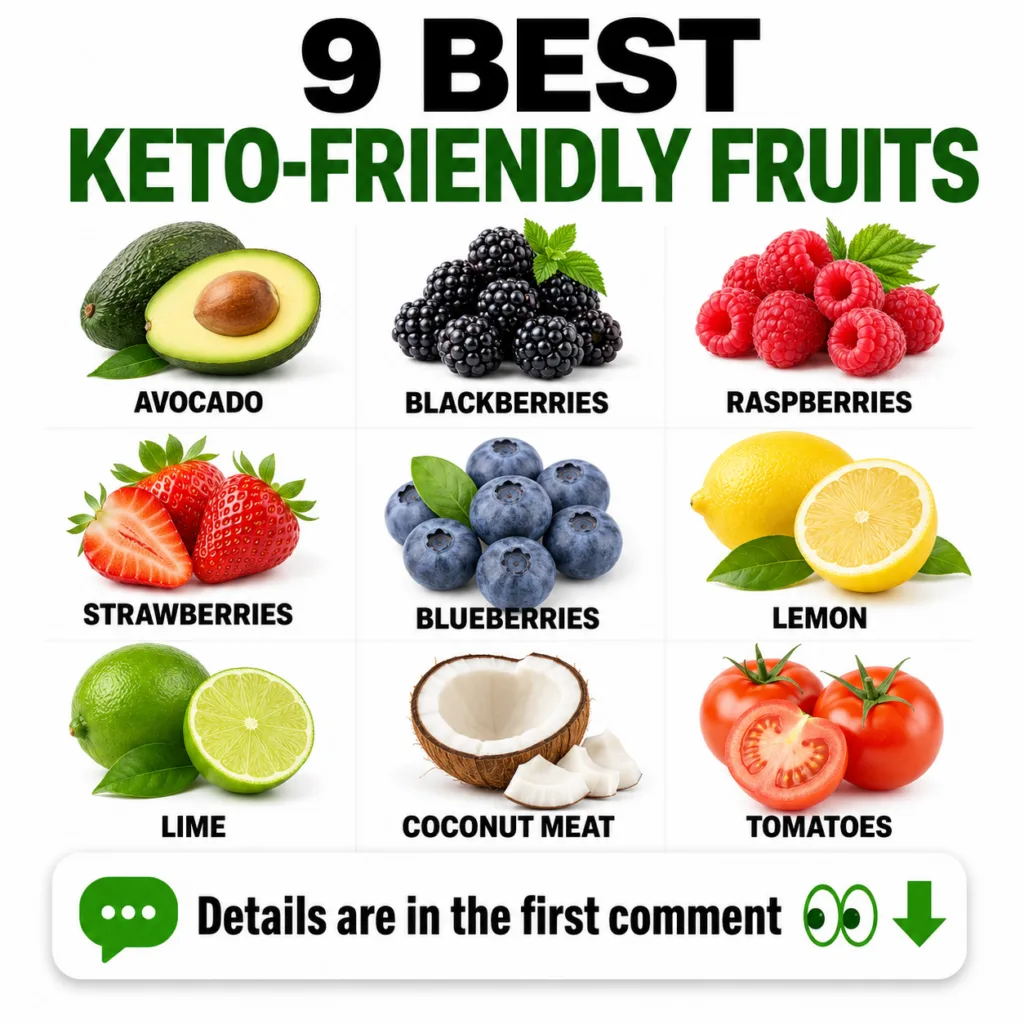
The key to enjoying fruit on a ketogenic diet lies in understanding net carbs (total carbs minus fiber). Fruits that are high in fiber and relatively low in sugar can be excellent additions to your meal plan. Here are nine fantastic options to consider:
1. Avocado: The Keto King
Avocado stands out as a true superstar in the keto world. While technically a fruit, it’s exceptionally low in net carbs and incredibly rich in healthy monounsaturated fats. Avocados are also packed with fiber, potassium, and vitamins K, C, B6, and E. They’re perfect for adding creaminess to smoothies, salads, or simply enjoyed with a sprinkle of salt and pepper.
2. Blackberries: Antioxidant Powerhouse
Berries are generally lower in carbs than most other fruits, and blackberries are a top choice. They are loaded with antioxidants, fiber, and vitamin C. A small serving of blackberries can add a delightful tartness to your keto yogurt, or be enjoyed as a refreshing snack without significantly impacting your carb count. Always check your portion size to stay within your daily carb limits.
3. Raspberries: Fiber-Rich Sweetness
Similar to blackberries, raspberries are another excellent low-carb berry option. They are notably high in fiber, which helps reduce their net carb count, and provide a good dose of vitamin C and manganese. Their slightly tart and sweet flavor makes them ideal for keto desserts, as a topping for chia pudding, or simply eaten fresh.
4. Strawberries: Classic Low-Carb Treat
Who doesn’t love strawberries? These juicy red berries are a fantastic source of vitamin C and antioxidants. While slightly higher in carbs than raspberries or blackberries, strawberries can still be enjoyed in moderation on a keto diet. They are perfect for adding a touch of sweetness to your meals or as a refreshing snack.
5. Blueberries: A Small But Mighty Exception
Blueberries are often considered a superfood due to their high antioxidant content. They are a bit higher in natural sugars compared to other berries on this list, so portion control is crucial. A small handful of blueberries can offer significant nutritional benefits and a burst of flavor, but be mindful of your intake to ensure you remain in ketosis.
6. Lemon: Zesty & Low-Carb
Lemons are incredibly versatile and very low in carbs, making them a keto-friendly staple. They are an excellent source of vitamin C and can add a bright, zesty flavor to water, dressings, marinades, and various savory and sweet dishes. Squeezing fresh lemon juice over your meals can enhance flavors without adding unwanted carbs.
7. Lime: Tangy Flavor Enhancer
Like lemons, limes are another low-carb citrus fruit that can significantly enhance your keto meals. Rich in vitamin C, limes offer a distinct tangy flavor that works wonderfully in drinks, salsas, and seafood dishes. A squeeze of fresh lime juice can elevate your culinary creations while keeping your carb count in check.
8. Coconut Meat: Healthy Fats & Fiber
Coconut meat, the firm white flesh inside a coconut, is a delicious source of healthy fats, particularly medium-chain triglycerides (MCTs), and fiber. It’s relatively low in net carbs and can be a satisfying addition to your keto diet. Enjoy it shredded, in chunks, or blended into smoothies for a tropical twist and sustained energy.
9. Tomatoes: The Savory Fruit
Yes, tomatoes are botanically fruits, and they are surprisingly keto-friendly! They are low in carbs and sugar while being rich in vitamins C and K, potassium, and lycopene, a powerful antioxidant. Tomatoes can be used in salads, sauces, or as a flavorful base for many savory keto dishes.
Smart Strategies for Enjoying Keto Fruits
While these fruits are considered keto-friendly, responsible consumption is key to maintaining ketosis:
- Portion Control: Always measure your portions. Even low-carb fruits can add up if consumed in large quantities.
- Net Carbs Awareness: Focus on net carbs by subtracting fiber from total carbohydrates.
- Track Your Intake: Use a food tracking app to monitor your daily carb intake and ensure you stay within your keto limits.
- Pair with Fats: Combining fruits with healthy fats (like avocado in a salad or berries with full-fat yogurt) can help slow sugar absorption and increase satiety.
Final Thoughts
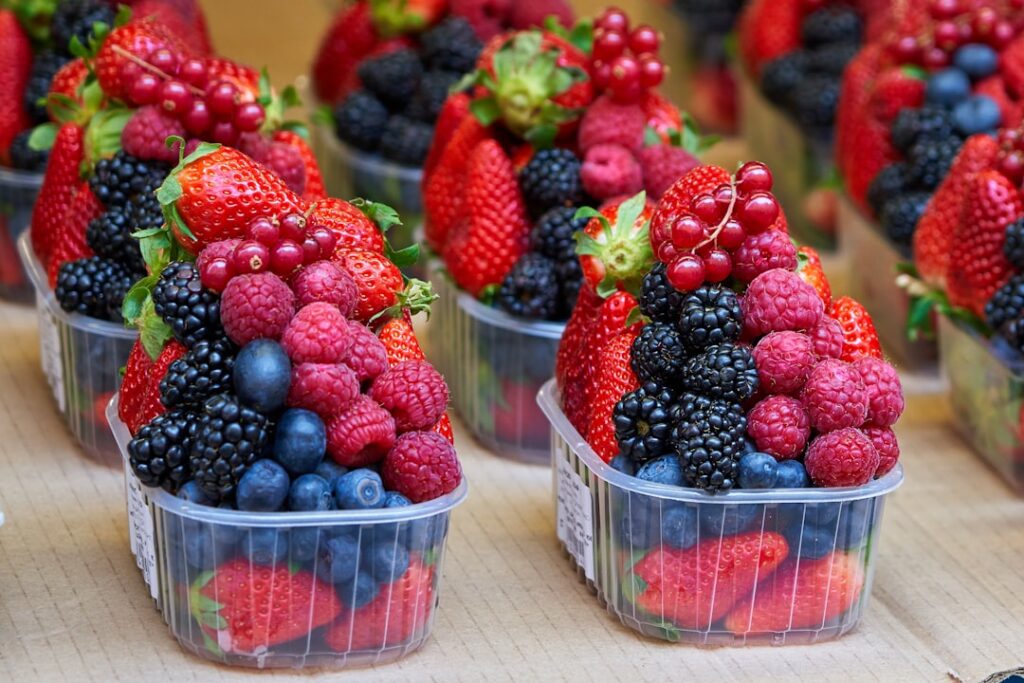
The notion that fruit is completely off-limits on a ketogenic diet is indeed a myth. By understanding net carbs and making informed choices, you can absolutely incorporate a variety of delicious and nutrient-dense fruits like avocado, berries, citrus, coconut meat, and tomatoes into your low-carb meal plan. These nine keto-friendly favorites not only add flavor and texture but also provide essential vitamins, minerals, and antioxidants, making your healthy eating journey more enjoyable and sustainable. Remember to always prioritize portion control to reap their benefits while staying in ketosis. Which one will you try first?
Medical Disclaimer
The information provided in this article is for general informational purposes only and does not constitute medical advice. Always consult with a qualified healthcare professional or a registered dietitian before making any significant changes to your diet or starting any new health regimen, especially if you have any pre-existing medical conditions.