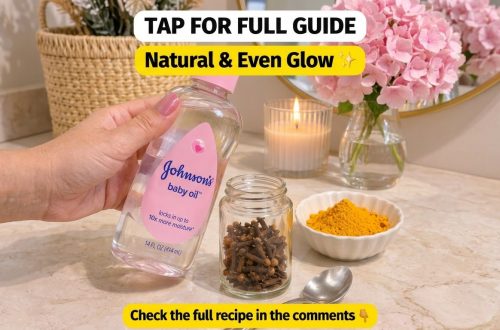
Turmeric has been a staple in kitchens and traditional skincare routines for centuries, and it has become a popular ingredient in do-it-yourself beauty circles. Many people are curious about whether a simple turmeric face mask can help their skin look brighter and feel calmer. This guide explains what turmeric may offer, what a homemade mask can and cannot do, and how to try one safely.

What Is Turmeric and Why Is It Popular in Skincare?
Turmeric is a bright yellow-orange spice from the root of the Curcuma longa plant. Its main active compound, curcumin, is widely studied for its antioxidant and anti-inflammatory properties. Those properties are the reason turmeric appears in so many natural beauty products and home recipes.
Research on topical turmeric is still limited, and most studies are small. Still, many people use it because it is inexpensive, easy to find, and fits well into a natural skincare routine.
What a Turmeric Mask Can Realistically Do
A turmeric mask is best understood as a gentle, short-term treatment rather than an instant transformation. Any glow you notice usually comes from several things at once: cleansing, moisturizing, exfoliating gently, and simply looking after your skin. The mask may help your skin feel soft and look refreshed, but it will not erase dark spots or wrinkles overnight.
- Turmeric may add a warm, healthy-looking tone for some people.
- Simple moisturizing ingredients can help skin feel supple.
- Results vary widely depending on skin type, sensitivity, and consistency.
Important Safety Tips Before You Try It
Turmeric is a natural ingredient, but it can still cause irritation, redness, or allergic reactions. It can also stain skin, towels, and clothing yellow, sometimes for a day or more. Keep these precautions in mind:
- Do a patch test on a small area, such as the inner arm or behind the ear, and wait at least 24 hours.
- Use only a small amount of turmeric and mix it into a smooth base so it spreads evenly.
- Avoid the eyes, lips, and any broken, cut, or freshly treated skin.
- Stop using the mask if you feel burning, itching, or stinging, and rinse with lukewarm water.
- Wear an old towel or robe, since the color can be difficult to remove from fabric.
How to Approach a Simple DIY Mask
If you decide to try a homemade mask, keep the recipe basic. Many people combine a small pinch of turmeric powder with a gentle base such as plain yogurt or honey, which are often used in simple face masks. Apply a thin, even layer to clean skin, leave it on for a short period as directed by your own comfort level, and rinse gently. Finish with a light moisturizer.
Petroleum jelly is an occlusive product, which means it helps trap moisture on the skin. It is useful for dry areas, but applying it heavily with turmeric may make the mixture harder to rinse and more likely to stain. Use it sparingly and do not rely on it as a treatment for skin concerns.
When to Talk to a Professional
If you have a skin condition such as eczema, rosacea, acne, or persistent hyperpigmentation, speak with a dermatologist before trying new home remedies. A professional can recommend treatments that are proven to be safe and effective for your specific needs.
The Bottom Line
Turmeric can be a fun, budget-friendly addition to a natural skincare routine when used carefully. Think of a homemade mask as one small step among healthy habits such as gentle cleansing, daily sun protection, good hydration, and a balanced diet. Consistency and patience will do more for your skin than any claim of instant results.