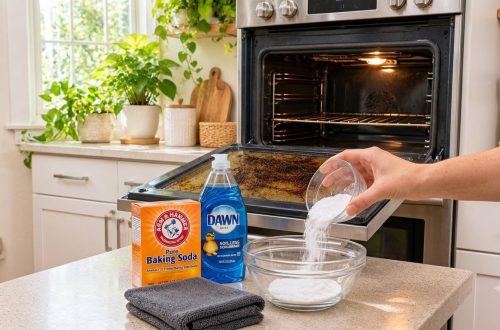
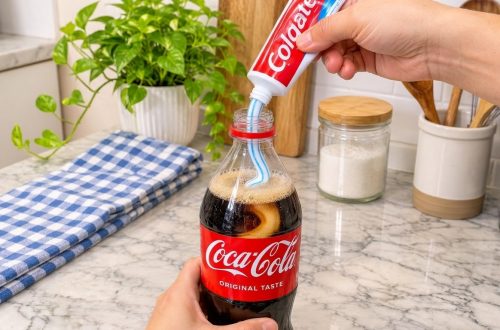
Cola and dish soap might seem like an odd pair, but this combination has become a popular talking point among home cleaners. The idea is simple: cola contains mild acids and sugars, while dish soap is designed to cut through grease. Put them together on a messy stovetop or stubborn kitchen grime, and many people expect a surprising result. Before you try it, it helps to understand what is really happening and where the limits are.
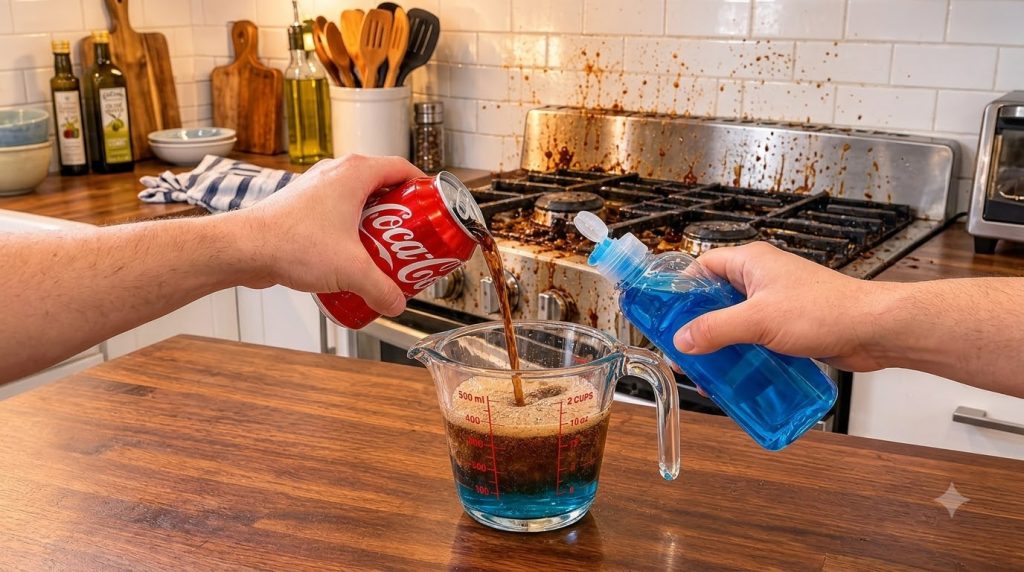
Why People Try Cola and Dish Soap
Cola is often recommended for cleaning because its acidity can help loosen light mineral deposits and sticky residue. Dish soap, on the other hand, works by breaking up grease so it can be wiped or rinsed away. Combining the two seems logical to many people, especially when they are dealing with baked-on food or oily splatters that do not respond to water alone.
What the Fizz Really Means
When the cola and soap mix, you may notice bubbles and foam. Most of that fizz comes from the carbonation in the soda and the foaming agents in the dish soap, not from any powerful chemical reaction. The bubbles look impressive, but they do not automatically mean the mixture is cleaning better. Foam is useful for lifting dirt, yet it can also make it harder to see how much grime you have actually removed.
How to Try It Safely
- Test the mixture on a small, hidden area first to check for dullness or discoloration.
- Use a small amount of dish soap and cola rather than filling a large container.
- Apply with a soft cloth or sponge, let it sit briefly, then wipe gently.
- Rinse the surface with clean water and dry it thoroughly to avoid a sticky film.
Things to Avoid
Never mix cleaning products such as bleach, ammonia, or vinegar-based cleaners with dish soap or cola in the same container. Some combinations can release harmful fumes or create unpredictable results. Also, be careful on natural stone, delicate finishes, and surfaces that scratch easily, since sugary residue can attract dirt if it is not rinsed off properly.
Is This Hack Worth Trying?
Cola and dish soap can be a reasonable option for light to moderate kitchen grease when you have no specialized cleaner on hand. However, it is not a replacement for proper degreasers, and it may take more scrubbing than expected. For heavy buildup on a stove, a gentle approach combined with consistent cleaning habits usually gives the best long-term results.
Final Thoughts
This unexpected kitchen cleaning hack is interesting to test, but it works best as a simple, low-cost option for everyday mess rather than a miracle solution. Always test first, rinse well, and choose safer products when the job calls for them. Have you ever tried cola for cleaning? Share your experience in the comments below!