Most people hear the name stonebreaker and expect a dramatic result. The more useful starting point is simpler: Phyllanthus niruri is a small herb, and its traditional preparations are easy to make at home once you know which plant parts to use, how to prepare them, and where the limits are.
What It Is
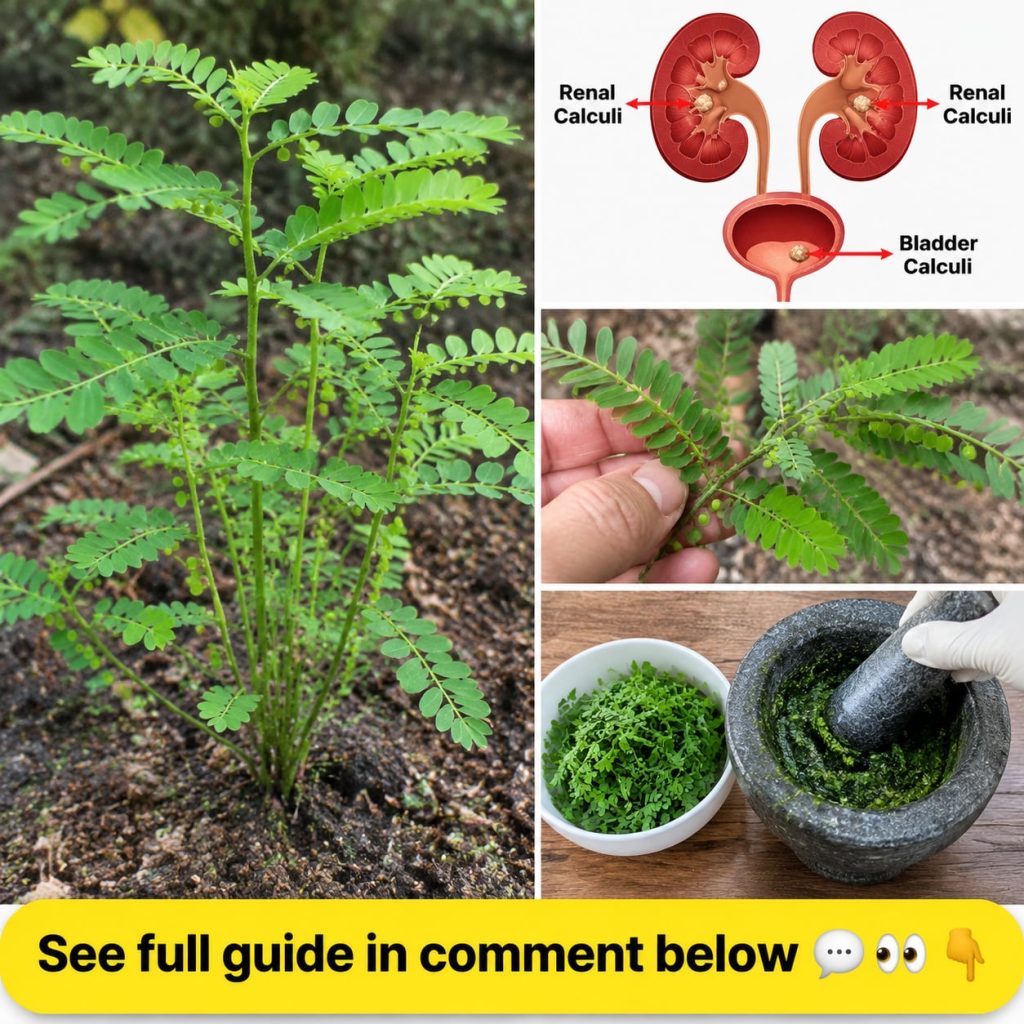
Phyllanthus niruri is a low-growing annual herb found in tropical and subtropical regions. It has small, feather-like leaves and tiny flowers along its stems. In traditional herbal practice, the whole aerial plant is usually harvested and dried, then used as tea or decoction. The plant has a long history of use in several regional herbal traditions, but the details vary by region, so treat any single historical claim with caution.
Ingredients
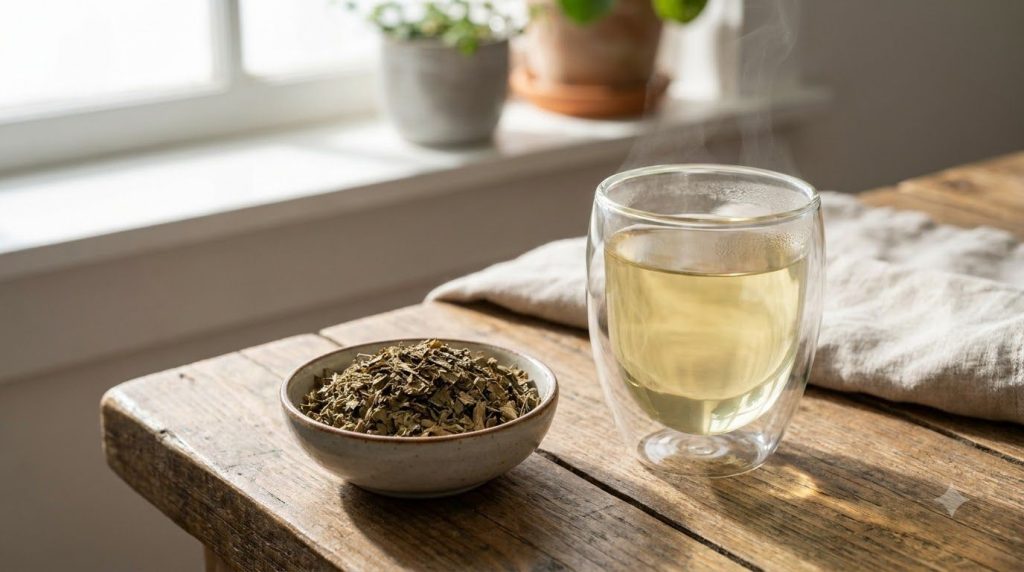
- Dried Phyllanthus niruri herb, whole or cut, about 1 to 2 teaspoons per cup of water
- Filtered water, 1 cup (240 ml) per serving
- Optional: a thin slice of fresh ginger or a squeeze of lemon for flavor
Approximate Measurements
For a simple herbal tea, use 1 to 2 teaspoons of dried herb for one cup of water. Start with the lower amount if you are new to the herb. Fresh herb can be used, but it is bulkier, so use roughly 1 tablespoon of chopped fresh leaves and stems per cup.
Formula and Simple Recipe
Combine 1 teaspoon of dried herb with 1 cup of filtered water. This is a beginner-friendly ratio that keeps the flavor mild and the preparation easy to repeat.
Step-by-Step Method
- Bring the water to a gentle boil in a small saucepan.
- Add the dried herb and reduce heat to low.
- Simmer for 5 to 10 minutes with the lid partly covered.
- Turn off the heat and let it steep for 3 more minutes.
- Strain into a clean cup and drink it warm.
How to Use
Drink the tea once or twice a day during the period you choose to use it, sipping slowly. Do not add extra herb to make it stronger. A stronger brew does not give a faster result and can cause stomach upset in some people.
How Often to Use
Many people use a simple herbal tea for short periods, such as a few days to a few weeks, and then take a break. If you have a specific health concern, especially involving the kidneys, liver, or urinary tract, talk with a qualified healthcare professional before starting any routine.
How to Buy and Choose Ingredients
Look for dried herb that is green or olive-toned, lightly aromatic, and free of mold or musty smells. Choose products labeled with the botanical name Phyllanthus niruri. Avoid mixes with unclear ingredients or added fillers.
Storage
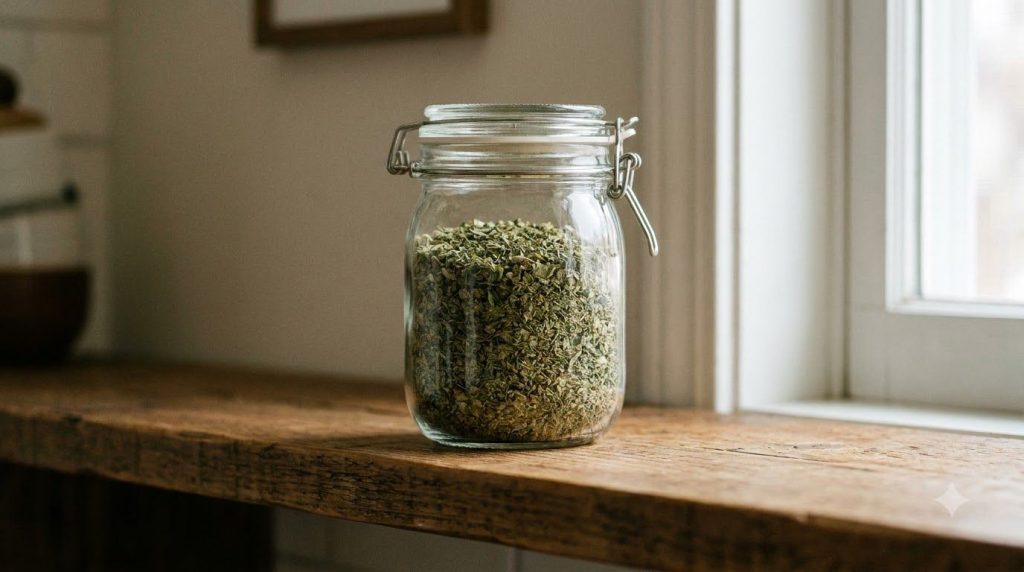
Keep dried herb in an airtight glass jar, away from light, heat, and moisture. Stored well, it keeps its quality for several months. Do not store prepared tea for more than 24 hours in the fridge, and always keep the jar dry.
Comparison Quick Reference
| Form | Best Use | Shelf Life | Notes |
|---|---|---|---|
| Dried herb | Tea and decoction | Several months | Most convenient for home use |
| Fresh herb | Short-term tea | 1 to 2 days refrigerated | Needs more volume per cup |
| Prepared tea | Same day drinking | Up to 24 hours refrigerated | Loses flavor over time |
Practical Tips
Quick Tip: Use a lid while simmering so less of the aroma escapes and the brew stays consistent.
Before You Brew: Rinse the dried herb briefly if it looks dusty, then drain it well before adding it to the water.
Did You Know? Many herbal teas taste better when the herb is only simmered briefly, because long boiling can make the flavor bitter.
Common Mistakes
- Using damaged, discolored, or moldy herb
- Boiling too long, which makes the tea harsh
- Storing herb in a damp jar, which invites mold
- Using the herb in very large amounts, assuming more is better
- Using plants sprayed with chemicals or grown near roadsides
Cautions and Who Should Avoid It
Phyllanthus niruri is not a substitute for medical care. Avoid it if you are pregnant or breastfeeding, if you have a kidney or liver condition, or if you take prescription medication, unless a doctor has approved it. Stop using it and seek medical advice if you notice unusual symptoms such as pain, swelling, or allergic reactions. Children should only use herbal preparations under professional guidance.
Quick Summary
- Best preparation: simple tea from dried herb, 1 to 2 teaspoons per cup
- Best use case: short-term traditional tea routine, with professional guidance for health concerns
- Storage: airtight, dry, dark glass jar
- When to use: after checking with a healthcare professional, especially with medical conditions or medications
- What to avoid: moldy herb, long boiling, damp storage, and use during pregnancy without medical advice
FAQ
Can I use fresh or dried herb?
Both work. Dried herb is easier to store and measure, while fresh herb is best used within a day or two.
How long does the dried herb last?
Stored in a sealed, dry glass jar away from light, it usually keeps its quality for several months.
Can I refrigerate the tea?
Yes, but keep it no longer than 24 hours and cover it tightly.
Can I freeze the herb?
Freezing is not necessary for dried herb. For fresh herb, short-term refrigeration is a better choice.
What part of the plant is used?
Traditional preparations usually use the aerial parts, meaning the leaves and stems, rather than the roots.
Can I reuse the leftover herb?
It is best to use fresh herb for each brew, because reused herb loses aroma and can become less consistent.
When should I avoid it?
Avoid it during pregnancy, while breastfeeding, with kidney or liver conditions, or alongside medication unless a doctor has approved it.
Does it work for kidney stones?
Phyllanthus niruri has been studied and traditionally used for kidney stone concerns, but results are not guaranteed. Kidney stones need proper medical evaluation.
Read More
You may also like: Read more about simple herbal tea routines in our full guide to brewing herbal teas safely.
Related remedy: See the full guide to storing dried herbs so they keep their aroma longer.
Continue with: learn how to make it at home with our beginner-friendly herbal preparation guide.
Conclusion
Phyllanthus niruri is most useful when treated as a traditional herb with a clear method, careful sourcing, and realistic expectations. Use good quality dried herb, keep the brew simple, and speak with a healthcare professional before using it for any health concern.