Fuel Your Fat Loss Journey!
Embarking on a fat loss journey can feel challenging, but understanding how to properly fuel your body is a powerful step towards success. One of the most critical nutrients for supporting your weight management goals is protein. Far beyond just building muscles, protein plays a multifaceted role in helping you feel satisfied, revving up your metabolism, and maintaining lean muscle mass as you shed unwanted fat.
At Wellness Daily, we believe in providing you with science-informed, practical advice to help you achieve your health aspirations. Let’s explore why protein is such a vital ally in your quest for a healthier you.
Protein Keeps You Feeling Full and Satisfied
One of the biggest hurdles in any fat loss plan is managing hunger and cravings. This is where protein shines. Protein has a higher satiety factor compared to carbohydrates or fats, meaning it helps you feel fuller for longer. When you’re satisfied, you’re less likely to overeat or snack on unhealthy options between meals, which is crucial for maintaining a calorie deficit needed for fat loss.
Research suggests that a higher protein intake can help reduce overall calorie consumption by naturally curbing appetite. Imagine going through your day feeling more energized and less preoccupied with hunger – that’s the power of protein!
Boost Your Metabolism with Protein
Did you know that eating protein can actually help you burn more calories? This phenomenon is known as the thermic effect of food (TEF). Protein has the highest TEF among all macronutrients, meaning your body expends more energy to digest, absorb, and metabolize protein than it does for fats or carbohydrates. While the effect isn’t massive, consistently consuming adequate protein adds up, contributing to a slightly higher metabolic rate throughout the day.
A more active metabolism can make a noticeable difference in supporting your fat loss efforts over time, making it easier to reach your goals.
Preserve and Build Lean Muscle Mass
When you’re losing weight, especially through calorie restriction, there’s always a risk of losing not just fat, but also valuable muscle mass. Maintaining lean muscle is incredibly important because muscle tissue is more metabolically active than fat tissue. This means the more muscle you have, the more calories your body naturally burns at rest.
Adequate protein intake provides the essential amino acids your body needs to repair and build muscle, particularly when combined with regular strength training. By prioritizing protein, you help ensure that the weight you’re losing is predominantly fat, not muscle, thereby optimizing your body composition and long-term metabolic health.
Practical Ways to Incorporate More Protein
Making protein a regular and enjoyable part of your diet doesn’t have to be complicated. Here are some simple, practical tips:
- Start Your Day Strong: Include protein in your breakfast. Think Greek yogurt, eggs, cottage cheese, or a protein smoothie.
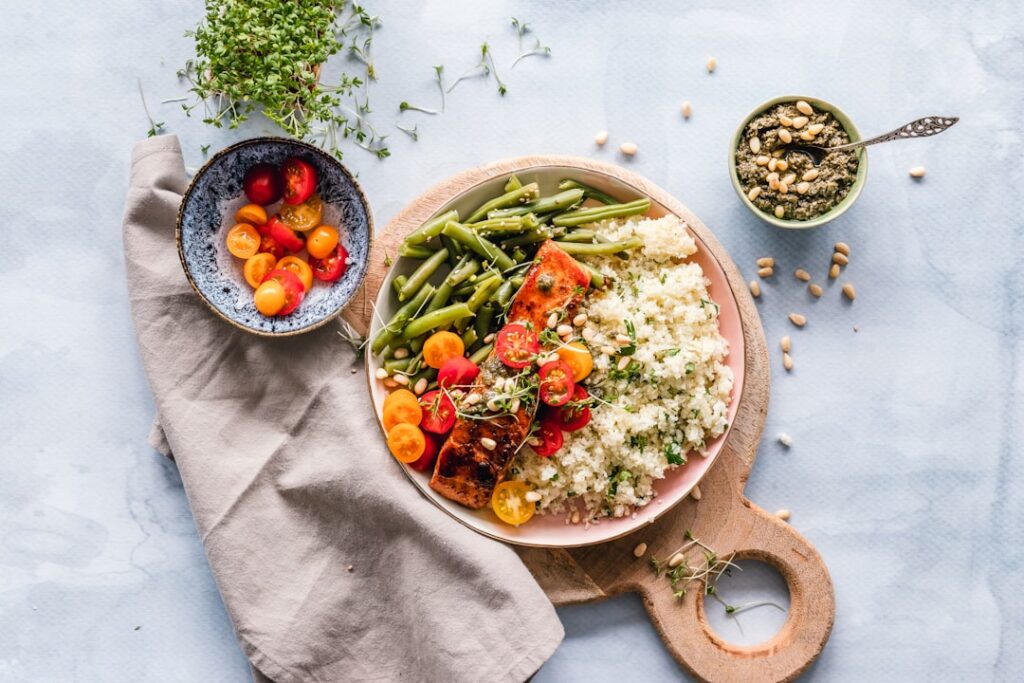
- Protein at Every Meal: Aim to include a lean protein source with lunch and dinner, such as chicken breast, fish, lean beef, tofu, lentils, or beans.
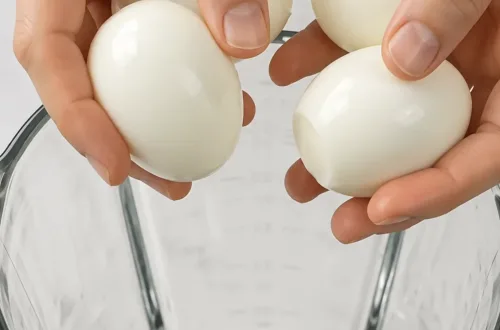
- Smart Snacking: Opt for high-protein snacks like a handful of almonds, hard-boiled eggs, cheese sticks, or edamame to keep hunger at bay between meals.
- Plant-Based Power: If you follow a plant-based diet, focus on a variety of protein sources like legumes, nuts, seeds, quinoa, and plant-based protein powders.
- Read Labels: Pay attention to the protein content on food labels to make informed choices.
Remember, consistency is key. Integrating these habits into your daily routine can significantly enhance your fat loss journey by leveraging the powerful benefits of protein.
Important Disclaimer
The information provided in this article is for educational purposes only and is not intended as a substitute for professional medical advice, diagnosis, or treatment. Always seek the advice of your physician or other qualified health provider with any questions you may have regarding a medical condition or before making any dietary or lifestyle changes.