Protein is a vital macronutrient, essential for building and repairing tissues, making enzymes and hormones, and supporting overall health. It plays a crucial role in muscle growth, satiety, and energy levels. While most people understand the importance of protein, a common question often arises: what does an adequate serving of protein actually look like on your plate? Specifically, how much food do you need to consume to hit a target like 30 grams of protein?
Understanding portion sizes for protein can sometimes feel like a puzzle. Our guide is here to help you visualize what 30 grams of protein truly represents across a variety of popular food sources, making it easier to meet your nutritional goals with confidence.
Why Focus on 30 Grams of Protein?
For many adults, consuming around 20-30 grams of protein per meal is a common recommendation to optimize muscle protein synthesis, help manage hunger, and support overall health. This amount is often cited as an effective target for those looking to build muscle, maintain weight, or simply ensure a balanced diet. Of course, individual protein needs can vary based on age, activity level, and specific health goals, so it’s always wise to consult with a healthcare professional or registered dietitian for personalized advice.
Visualizing 30 Grams of Protein: Common Sources
Let’s break down what 30 grams of protein looks like from different categories:
Lean Meats & Poultry
- Chicken Breast: Approximately 4 ounces (113 grams) of cooked boneless, skinless chicken breast will provide around 30-35 grams of protein. Think of it as a piece roughly the size of a deck of cards.
- Lean Beef (e.g., Sirloin Steak): About 3.5 to 4 ounces (100-113 grams) of cooked lean beef can offer around 30-32 grams of protein.
- Pork Loin: Similar to lean beef, about 3.5 to 4 ounces (100-113 grams) of cooked pork loin contains approximately 30 grams of protein.
Fish & Seafood
- Salmon: While slightly lower in protein per ounce due to its healthy fat content, around 4.5 to 5 ounces (125-140 grams) of cooked salmon can provide about 30 grams of protein.
- Tuna (canned, in water): A 5-ounce can (drained) typically contains around 30-35 grams of protein.
- Cod or Tilapia: These leaner fish options can provide about 30 grams of protein in just 4 ounces (113 grams) cooked.
Eggs & Dairy
- Eggs: Each large egg contains about 6 grams of protein. To reach 30 grams, you would need approximately 5 large eggs.
- Greek Yogurt (plain, non-fat): A generous 1 cup (227 grams) serving often provides around 20-25 grams of protein, so you might need a bit more or combine it with another protein source to hit 30 grams.
- Cottage Cheese (low-fat): Approximately 1 cup (220 grams) of low-fat cottage cheese can offer about 25-30 grams of protein.
Plant-Based Options
- Lentils (cooked): While excellent for fiber, lentils are a moderate protein source. You’d need about 1.5 to 2 cups (300-400 grams) of cooked lentils to get around 25-30 grams of protein.
- Tofu (firm): Roughly 8-10 ounces (225-280 grams) of firm tofu can provide about 30 grams of protein, depending on the brand and preparation.
- Tempeh: A 6-ounce (170-gram) serving of tempeh typically offers around 30-35 grams of protein.
- Edamame (shelled, cooked): Approximately 2 cups (320 grams) of cooked shelled edamame would get you close to 30 grams of protein.
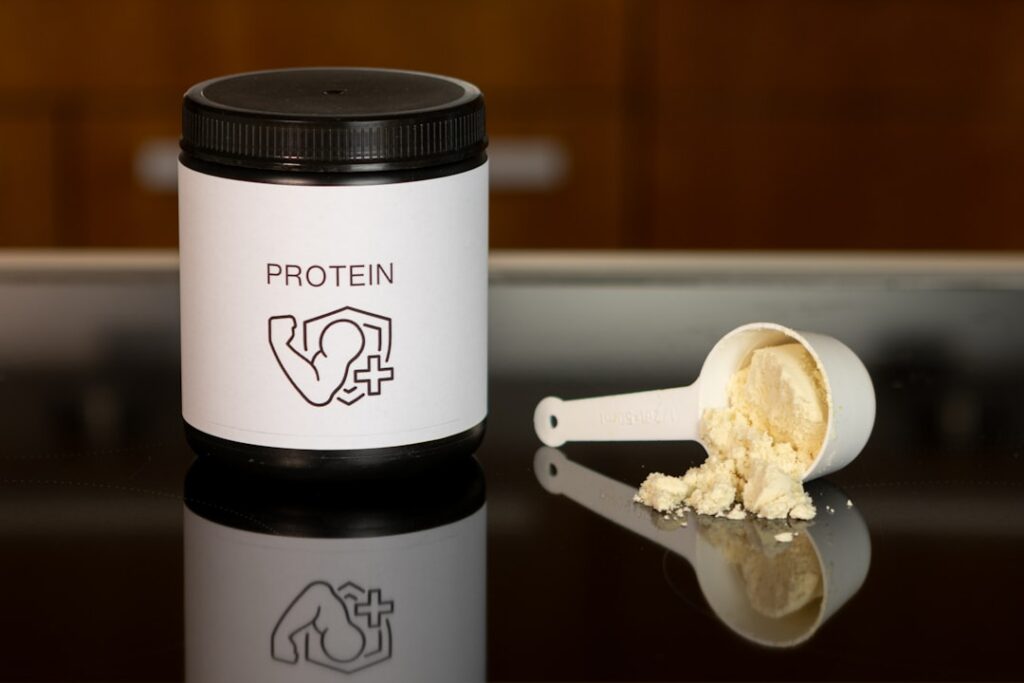
- Protein Powder (whey, soy, pea): One scoop (25-30 grams of powder) usually provides 20-25 grams of protein, so you might need a slightly larger scoop or a full 1.5 scoops to hit the 30-gram mark, depending on the specific product.
Tips for Incorporating More Protein Into Your Diet
- Start Your Day Strong: Add protein to your breakfast with eggs, Greek yogurt, cottage cheese, or a protein smoothie.
- Snack Smart: Opt for protein-rich snacks like a handful of nuts, seeds, a hard-boiled egg, or a small portion of cheese.
- Balance Your Meals: Ensure every meal includes a lean protein source alongside complex carbohydrates and healthy fats.
- Plan Ahead: Meal prepping can help you ensure you have adequate protein portions ready for busy days.
- Experiment with Plant-Based: Incorporate more beans, lentils, tofu, and tempeh into your diet for varied protein sources and added fiber.
The Benefits of Adequate Protein Intake
Consistently consuming enough protein throughout your day may help support:
- Muscle Maintenance and Growth: Essential for repairing and building muscle tissue, especially for those who are physically active.
- Satiety and Weight Management: Protein can help you feel fuller for longer, potentially reducing overall calorie intake.
- Bone Health: Adequate protein intake is associated with stronger bones.
- Metabolic Health: Protein has a higher thermic effect than fats or carbs, meaning your body burns more calories digesting it.
By understanding what 30 grams of protein looks like, you can make more informed choices about your meals and snacks. Remember, these are general guidelines, and listening to your body’s hunger cues and energy needs is always important. Aim for variety in your protein sources to ensure you’re getting a broad spectrum of nutrients.
Disclaimer:
This article is intended for educational purposes only and is not a substitute for professional medical advice, diagnosis, or treatment. Always seek the advice of your physician or other qualified health provider with any questions you may have regarding a medical condition or before making any changes to your diet or exercise routine.