Your organs work around the clock to filter your blood, process nutrients, pump oxygen through your body, and keep your joints moving comfortably. The good news is that everyday food choices can help support all of them. You do not need exotic ingredients or complicated routines. A consistent pattern of whole, colorful, minimally processed foods goes a long way toward supporting overall well-being.
Why Food Choices Matter for Your Organs
Each organ has its own job, but they share common needs: steady hydration, a good balance of vitamins and minerals, antioxidants that help manage oxidative stress, and fiber that supports healthy digestion. When your daily plate is built around these basics, your body has the raw materials it needs to keep systems running smoothly.
Foods That Support Your Kidneys
Your kidneys filter waste from your blood and help regulate fluid and electrolyte balance. Supporting them starts with good hydration and a diet that is not overloaded with sodium.
- Water and herbal teas: Staying well hydrated helps your kidneys flush waste efficiently.
- Berries: Blueberries, strawberries, and raspberries provide antioxidants and fiber with relatively low sugar.
- Bell peppers: These are rich in vitamin C and add crunch without much sodium.
- Cabbage and cauliflower: Cruciferous vegetables offer fiber and nutrients that fit well into a balanced plate.
Because kidney needs can vary depending on individual health conditions, anyone with existing kidney concerns should check with a healthcare professional before making major dietary changes.
Foods That Support Your Liver
Your liver processes nutrients, helps detoxify substances, and stores energy. It responds well to a diet that limits excess sugar and alcohol while emphasizing protective plant compounds.
- Leafy greens: Spinach, kale, and arugula supply folate, magnesium, and antioxidants.
- Oats: Their soluble fiber supports healthy cholesterol levels and steady energy release.
- Garlic and onions: These contain sulfur compounds that are part of many traditional diets valued for their flavor and nutrients.
- Walnuts and olive oil: Healthy fats support overall metabolic balance when eaten in moderation.
Foods That Support Your Heart
Heart health is closely linked to what you eat every day. Research on dietary patterns such as the Mediterranean style of eating consistently highlights the benefits of plant foods, unsaturated fats, and fish.
- Fatty fish: Salmon, sardines, and mackerel provide omega-3 fatty acids that are associated with healthy triglyceride levels.
- Beans and lentils: These offer fiber, plant protein, and minerals while being affordable and versatile.
- Avocado: Monounsaturated fats and potassium can fit nicely into a heart-conscious diet.
- Nuts: A small handful of almonds or pistachios makes a satisfying snack rich in healthy fats.
Foods That Support Your Joints
Joint comfort depends on healthy connective tissue, managing inflammation, and maintaining a healthy body weight, which reduces stress on the joints. A diet rich in anti-inflammatory foods can be a helpful part of that picture.
- Turmeric: Commonly used in cooking, it contains curcumin, which is widely studied for its antioxidant properties.
- Ginger: A flavorful root that works well in teas, stir-fries, and smoothies.
- Citrus fruits: Oranges and lemons provide vitamin C, which is needed for collagen formation.
- Fish and eggs: These supply protein and nutrients that support muscle and connective tissue health.
How to Build an Organ-Friendly Plate
You do not need to overhaul your entire diet overnight. Small, practical habits can make a meaningful difference over time:
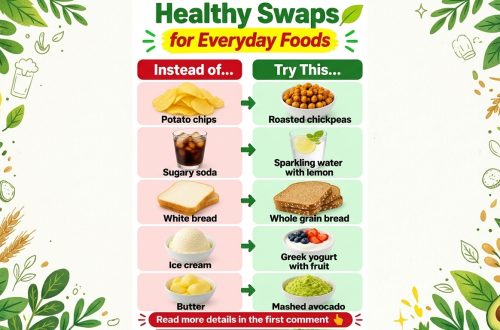
- Fill half your plate with vegetables and fruits at every meal.
- Choose whole grains such as oats, brown rice, and quinoa over refined options.
- Include a source of plant or lean protein, such as beans, fish, or eggs.
- Use herbs and spices like turmeric, ginger, and garlic to add flavor without extra salt.
- Drink water throughout the day and limit sugary beverages.
Final Thoughts
Supporting your kidneys, liver, heart, and joints is less about perfection and more about consistency. Choose a variety of nutrient-rich foods, stay hydrated, and keep your routine enjoyable and sustainable. If you have a medical condition or take medication, speak with your healthcare provider to tailor these habits to your needs.