Craving a snack that’s both delicious and naturally nutritious? Many traditional treats can offer surprising health benefits, and Filipino snacks are no exception! While often seen as indulgent, many beloved Filipino delights, from the banana-packed Turon and Maruya to the sweet potato power of Kamote Que, are inherently rich in essential nutrients. These snacks can provide natural energy, fiber, and vitamins, making your indulgence a truly wholesome experience.
At Glowra Health, we believe in savoring tradition while making informed, healthy choices. Join us as we explore six popular Filipino snacks, uncovering their natural nutritional benefits and sharing simple ways to enjoy them. Which wholesome delight will you try first?
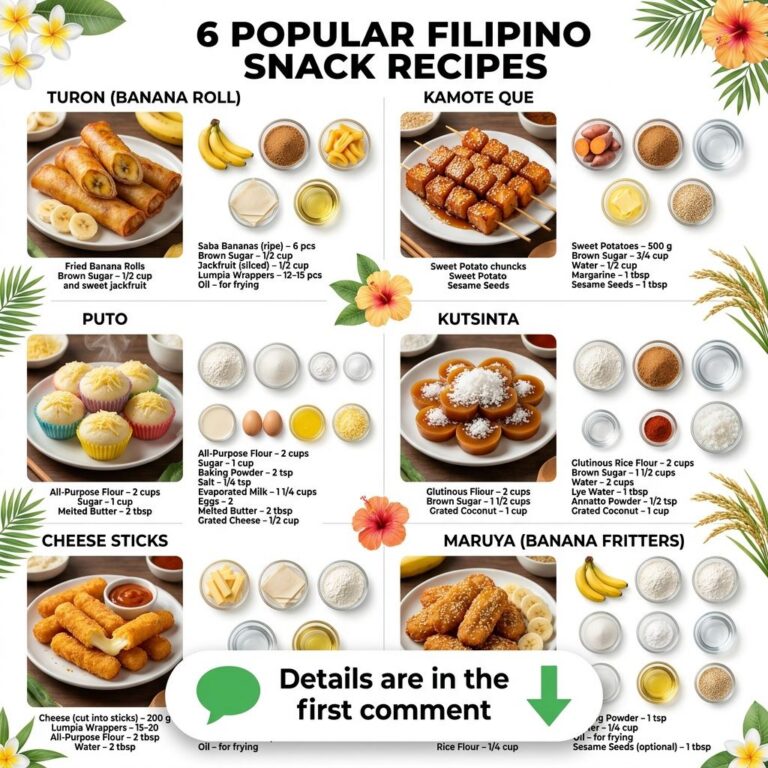
1. Turon (Banana Roll): A Sweet, Fibrous Treat
Turon, a crispy fried spring roll filled with sweetened saba banana, is a beloved Filipino dessert or snack. While traditionally fried, the core ingredient—saba banana—is a nutritional powerhouse.
Nutritional Highlights of Turon
- Rich in Potassium: Saba bananas are an excellent source of potassium, essential for heart health and muscle function.
- Good Source of Fiber: Bananas contribute dietary fiber, aiding digestion and promoting satiety.
- Vitamin Boost: They also offer vitamins B6 and C, supporting energy metabolism and immune health.
Simple Turon Recipe
Yields: 4 servings
Ingredients:
- 4 ripe saba bananas, peeled and sliced lengthwise
- 4 large lumpia (spring roll) wrappers
- 2-4 tablespoons brown sugar, divided
- 1/2 cup cooking oil for frying
Instructions:
- Lay a lumpia wrapper flat. Place a few banana slices in the center.
- Sprinkle about 1-2 teaspoons of brown sugar over the bananas.
- Fold the sides of the wrapper over the bananas, then tightly roll from the bottom upwards to form a log. Seal the edge with a dab of water.
- Heat the cooking oil in a pan over medium heat.
- Carefully place the turon seam-side down into the hot oil. Fry for 2-3 minutes per side, or until golden brown and crispy.
- Remove from pan and drain on a paper towel. Serve warm.
2. Kamote Que: Sweet Potato Power on a Stick
Kamote Que features deep-fried sweet potato slices coated in caramelized brown sugar, served on skewers. This vibrant orange root vegetable is celebrated for its rich nutrient profile.
Nutritional Highlights of Kamote Que
- Vitamin A Powerhouse: Sweet potatoes are exceptionally high in Beta-carotene, which the body converts to Vitamin A, vital for vision and immune function.
- Fiber and Complex Carbs: They provide complex carbohydrates for sustained energy and dietary fiber for digestive health.
- Antioxidants: Loaded with antioxidants, sweet potatoes help protect your cells from damage.
Simple Kamote Que Recipe
Yields: 4 servings
Ingredients:
- 2 medium sweet potatoes (kamote), peeled and sliced into 1/2-inch thick rounds
- 1/2 cup brown sugar
- 1/2 cup cooking oil
- 4 wooden skewers (optional)
Instructions:
- Heat cooking oil in a large pan over medium heat.
- Fry the sweet potato slices until tender and slightly golden, about 3-4 minutes per side. Remove and set aside.
- In the same pan, reduce the heat to low. Add the brown sugar. Let it melt and caramelize without stirring too much.
- Once the sugar is mostly melted and bubbly, return the fried sweet potatoes to the pan. Gently toss to coat them evenly with the caramelized sugar.
- Carefully remove the coated sweet potatoes and thread 2-3 slices onto each skewer, if desired. Serve immediately.
3. Puto: A Classic Steamed Rice Cake
Puto are soft, fluffy steamed rice cakes, often enjoyed as a snack or accompaniment to savory dishes. While simple in ingredients, they represent a comforting and traditional source of energy.
Nutritional Highlights of Puto
- Energy Source: Made primarily from rice flour, Puto offers readily available carbohydrates to fuel your body.
- Gluten-Free Option: For those avoiding gluten, traditional Puto made with rice flour can be a suitable choice.
Simple Puto Recipe (Basic)
Yields: 6-8 servings
Ingredients:
- 1 cup rice flour
- 1/2 cup granulated sugar
- 1 tablespoon baking powder
- 1 cup water or milk
- A few drops of food coloring (optional)
- Cooking oil for greasing molds
Instructions:
- Lightly grease individual puto molds with cooking oil.
- In a mixing bowl, combine rice flour, sugar, and baking powder.
- Gradually add water or milk, stirring until a smooth, lump-free batter is formed. If using, add food coloring.
- Pour the batter into the prepared molds, filling each about 3/4 full.
- Arrange the molds in a steamer. Steam over boiling water for 15-20 minutes, or until a toothpick inserted into the center comes out clean.
- Remove from molds and serve warm.
4. Kutsinta: Chewy and Sweet Rice Cakes
Kutsinta is a distinctively reddish-brown, chewy, and translucent steamed rice cake, often served with grated coconut. Its unique texture and subtly sweet flavor make it a popular Filipino snack.
Nutritional Highlights of Kutsinta
- Energy-Providing: Like Puto, Kutsinta primarily provides carbohydrates from rice flour, offering quick energy.
- Traditional Comfort Food: It embodies a simple yet satisfying traditional snack, often consumed in moderation.
Simple Kutsinta Recipe
Yields: 6-8 servings
Ingredients:
- 1 cup rice flour
- 1/2 cup tapioca flour (or additional rice flour)
- 1/2 cup brown sugar
- 2 cups water
- 1 teaspoon lye water (food-grade, available in Asian markets – use with caution as directed)
- Grated fresh coconut for topping (optional)
- Cooking oil for greasing molds
Instructions:
- Lightly grease individual molds (e.g., small cups or mini bundt pans) with cooking oil.
- In a bowl, combine rice flour, tapioca flour, and brown sugar.
- Gradually whisk in water until the mixture is smooth and free of lumps.
- Stir in the lye water. (Handle lye water carefully as per product instructions).
- Pour the batter into the prepared molds.
- Arrange the molds in a steamer. Steam over boiling water for 30-45 minutes, or until firm and translucent.
- Let cool completely before unmolding. Serve with grated coconut, if desired.
5. Cheese Sticks: Simple Savory Satisfaction
Cheese Sticks are a straightforward, delicious snack made by wrapping strips of cheese in lumpia wrappers and frying them until golden and crispy. This snack offers a burst of flavor along with some key nutrients from the cheese.
Nutritional Highlights of Cheese Sticks
- Calcium Boost: Cheese is an excellent source of calcium, crucial for strong bones and teeth.
- Protein Content: It also provides protein, which is essential for muscle repair and satiety.
Simple Cheese Sticks Recipe
Yields: 6 servings
Ingredients:
- 1 block (approx. 8 oz) cheddar cheese, cut into thin strips (about 1/4 inch thick, 3-4 inches long)
- 12 lumpia (spring roll) wrappers, cut in half diagonally (to make triangles)
- 1/2 cup cooking oil for frying
- Water for sealing
Instructions:
- Place a strip of cheese near the wider end of a half-cut lumpia wrapper.
- Fold the sides of the wrapper over the cheese, then roll tightly from the wider end to the narrow tip. Seal the tip with a dab of water.
- Repeat with remaining cheese and wrappers.
- Heat cooking oil in a pan over medium heat.
- Fry the cheese sticks in batches for 1-2 minutes per side, or until golden brown and crispy.
- Remove from pan and drain on a paper towel. Serve immediately.
6. Maruya (Banana Fritters): Naturally Sweetened and Filling
Maruya, also known as banana fritters, are deep-fried slices of saba banana coated in a sweet batter. They are another fantastic way to enjoy the nutritional goodness of bananas.
Nutritional Highlights of Maruya
- Fiber for Digestion: Saba bananas are rich in dietary fiber, supporting a healthy digestive system.
- Natural Energy: Provides natural sugars and carbohydrates for a quick energy boost.
- Potassium and Vitamins: A good source of potassium and various B vitamins, contributing to overall well-being.
Simple Maruya Recipe
Yields: 4-6 servings
Ingredients:
- 3-4 ripe saba bananas, peeled and sliced lengthwise or diagonally
- 1 cup all-purpose flour
- 1/4 cup granulated sugar (adjust to taste)
- 1 large egg
- 1/2 cup milk or water
- 1/2 teaspoon baking powder
- 1/4 teaspoon salt
- 1 cup cooking oil for frying
Instructions:
- In a bowl, whisk together flour, sugar, egg, milk/water, baking powder, and salt until a smooth batter forms.
- Dip each saba banana slice into the batter, ensuring it’s fully coated.
- Heat cooking oil in a large pan over medium heat.
- Carefully place the battered banana slices into the hot oil. Fry for 2-3 minutes per side, or until golden brown and cooked through.
- Remove from pan and drain on a paper towel. Serve warm, optionally dusted with a little extra sugar.
Final Thoughts
Exploring the world of Filipino snacks reveals that many traditional treats can indeed be part of a balanced and healthy lifestyle. By understanding the natural nutritional benefits hidden within ingredients like saba bananas, sweet potatoes, and even cheese, we can appreciate these beloved snacks not just for their delicious flavors but also for the energy, fiber, and vitamins they contribute. So go ahead, indulge in these wholesome Filipino delights, and nourish your body and soul with every bite!
Which of these traditional snacks will you try first to boost your healthy eating journey?