Unlock Optimal Fruit Eating Times for Maximum Health Benefits
Ever wondered if there’s a ‘best’ time to enjoy your favorite fruits for maximum benefit? While fruits are undoubtedly a cornerstone of a healthy diet at any time of day, strategic timing can sometimes enhance their unique advantages, from boosting energy to aiding digestion. Let’s explore how to best incorporate these natural powerhouses into your daily routine for optimal wellness.
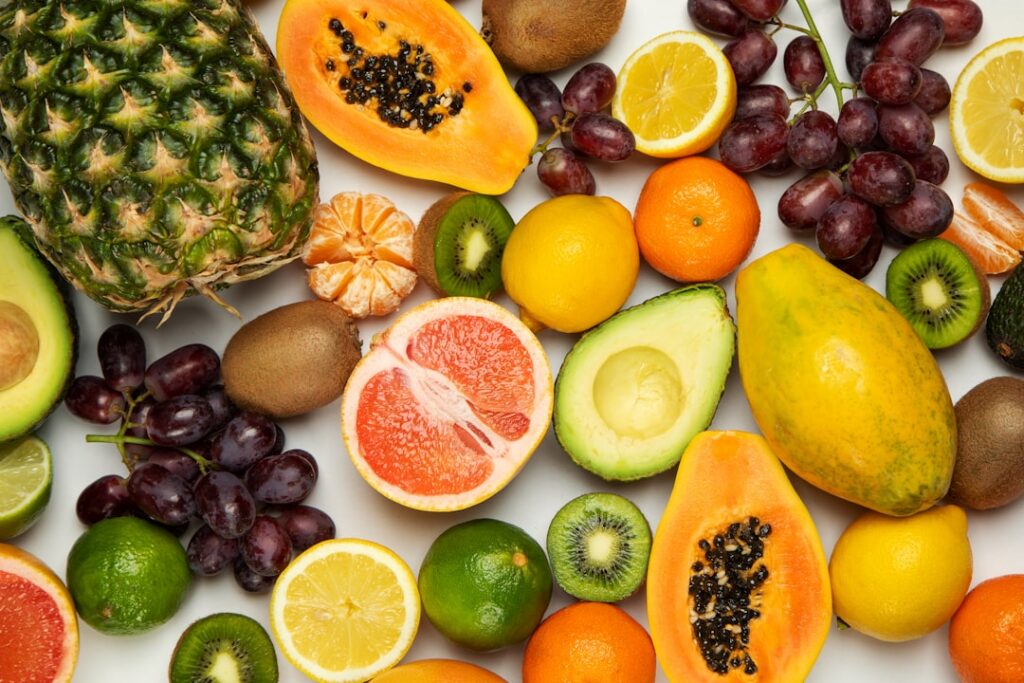
Why Timing Your Fruit Intake Matters
The concept of timing your fruit intake isn’t about rigid rules, but rather understanding how your body processes nutrients at different points of the day and how certain fruits can cater to those needs. Factors like natural sugars, fiber content, and vitamins can have varying impacts depending on when they are consumed.
Morning: Kickstarting Your Day with Energy
Starting your day with fruit can be an excellent way to rehydrate, replenish glycogen stores, and get a quick burst of natural energy after an overnight fast. Fruits eaten in the morning, especially on an empty stomach, may be digested more readily, allowing for quicker nutrient absorption.
- Good Choices: Berries (packed with antioxidants), bananas (quick energy), citrus fruits like oranges or grapefruit (Vitamin C boost), and apples (fiber for satiety).
- Benefits: Provides natural sugars for energy, essential vitamins and minerals, and fiber to promote healthy digestion throughout the day.
Pre- and Post-Workout: Fueling Performance and Recovery
Fruits can be ideal for fueling your body around your exercise routine.
- Pre-Workout (30-60 minutes before): Simple carbohydrates from fruits can provide readily available energy. Bananas are a classic choice due to their easily digestible carbs and potassium, which can help prevent muscle cramps.
- Post-Workout (within 30-60 minutes after): Combining fruits with a protein source can help replenish glycogen stores and aid in muscle recovery. Berries, grapes, or pineapple can be great choices, offering natural sugars and anti-inflammatory compounds.
Between Meals: Smart Snacking for Sustained Energy
Fruits make fantastic snacks between meals, helping to curb hunger and prevent overeating at your next meal. Their fiber content helps you feel fuller for longer, and the natural sugars provide a steady release of energy, avoiding the crash associated with processed snacks.
- Good Choices: Apples, pears, oranges, and a handful of grapes or cherries.
- Benefits: Provides sustained energy, essential nutrients, and can help maintain stable blood sugar levels when consumed as part of a balanced snack.
Evening/Night: Considerations for Later Consumption
While some people prefer to avoid fruits late at night due to their sugar content, for most individuals, a light fruit snack can be a healthy option if hunger strikes. The key is moderation and choosing the right types of fruit.
- Considerations: If you’re sensitive to sugar before bed, opt for fruits lower in sugar or smaller portions. Consider your digestive comfort; some fruits might be too acidic for some individuals late in the evening.
- Good Choices: Small portions of berries, melon, or kiwi are often well-tolerated and can even aid sleep for some due to their serotonin content (kiwi).
Factors to Consider for Your Individual Needs
While these are general guidelines, your body’s unique needs and health conditions should always be taken into account:
- Digestion: Some individuals may find certain fruits easier or harder to digest at specific times. Listen to your body.
- Blood Sugar Management: Individuals managing blood sugar levels, such as those with diabetes, should always monitor their intake and consult with a healthcare professional or registered dietitian. Pairing fruit with a source of protein or healthy fat can sometimes help mitigate blood sugar spikes.
- Activity Level: Your energy needs will vary based on your activity throughout the day.
The Bottom Line: Enjoy Your Fruits!
Ultimately, the most important thing is to regularly include a variety of fruits in your diet. While timing can offer additional benefits, it’s far more crucial to ensure you’re meeting your daily fruit recommendations. Experiment with different times and fruits to see what works best for your body and lifestyle.
Remember, this information is for educational purposes only and is not a substitute for professional medical advice or treatment. Always consult with a qualified healthcare provider for any health concerns or before making any changes to your diet or health regimen.