Most people pick vegetables and roots like ginger based on appearance, choosing the smoothest and cleanest, but this often leads to weaker flavor and poor nutrients.
When it comes to ginger, the most flavorful option usually looks rough, fibrous, and earthy—not perfect.
Today’s guide breaks down the simple rule shown in the image — and why it matters for taste, digestion, and overall nutrition.
Why Choosing the Right Ginger Matters
Ginger is not just a cooking ingredient; it’s a digestion-supporting, anti-inflammatory root used in countless traditional home remedies.
The strongest ginger has the richest aroma and highest concentration of active compounds, and it almost never looks perfectly smooth.
The Right Ginger vs. The Wrong Ginger
Flavorful Ginger (Left Side)
Look for ginger that is:
-
Rough and uneven
-
Slightly dirty
-
Fibrous
-
Aromatic
-
Firm and earthy in texture
This ginger is older with higher levels of gingerols, which provide heat, aroma, and medicinal benefits.
Not Flavorful Ginger (Right Side)
Avoid ginger that is:
-
Shiny and smooth
-
Pale and slightly dried
-
Lacking aroma
-
Low in fibers
This tender ginger is younger, contains more water, fewer aromatics, and delivers a much milder flavor.

How to Pick the Best Ginger Every Time
Here’s a simple supermarket rule:
If it looks too smooth, it’s probably too mild.
If it looks slightly rough and imperfect, it’s packed with flavor.
Quick checks:
- Scratch the skin lightly – does it smell strongly?
- Try bending it – flavorful ginger feels firm, not rubbery.
- Check for fibers at the cut ends – more fibers = stronger ginger.
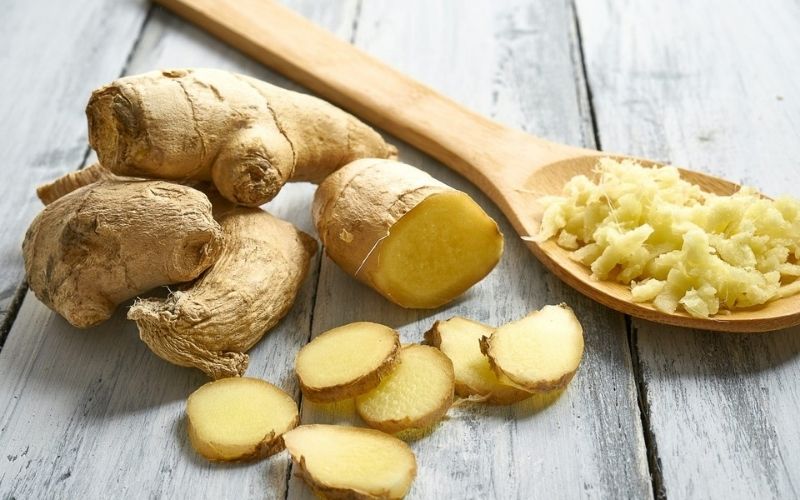
How to Use Flavorful Ginger for Maximum Benefits
Once you pick the right ginger, you can use it for:
• Anti-bloat teas
Slice 3–4 thin pieces and steep in hot water for 10 minutes.
• Stir-fries
Stronger ginger means deeper aroma with smaller amounts.
• Cold-fighting drinks
Combine with lemon and honey for a soothing tonic.
• Smoothies
Add a slice for a warming, digestion-friendly boost.
Choosing the right ginger makes all of these instantly more potent.
Final Takeaway
The most effective vegetables – especially roots like ginger – often look rough, earthy, or imperfect.
Those imperfections are signs of maturity, aroma, and nutrient density.
Save this guide for your next grocery trip, and share it with someone who loves cooking or natural remedies!