Purslane – a humble backyard plant that many traditional healers treat like a mini anti-inflammatory pharmacy.
Dried and ground into a bright green powder, purslane is sipped as a gentle joint and back-comfort drink, added to soups, or sprinkled into rice. Most people walk past it without knowing it’s packed with omega-3s, magnesium, and antioxidants that can support tired muscles and overworked joints.
Let’s turn this wild herb into a simple, safe home remedy you can actually use.
What Purslane Does Inside Your Body
Purslane (Portulaca oleracea) is a juicy, slightly sour plant used in Mediterranean, Middle Eastern, and Asian kitchens. Beyond its taste, it brings a powerful nutrient mix:
- Plant omega-3s (ALA) – support a healthy inflammatory response, especially helpful for stiff joints and muscles.
- Magnesium & potassium – minerals your muscles, nerves, and spine rely on to relax and contract properly.
- Vitamin C, vitamin A, and betalain pigments – antioxidants that help protect tissues, including joint cartilage, from daily wear and tear.
- Mild diuretic effect – can help the body move excess fluid and metabolic waste, which sometimes makes swollen joints feel a bit “lighter.”
This doesn’t mean purslane “cures” back pain or arthritis. But as part of an overall anti-inflammatory, mineral-rich diet, it may gently support less stiffness, easier movement, and better post-workout recovery.
 Source image: Verywell.
How To Make Simple Purslane Powder at Home
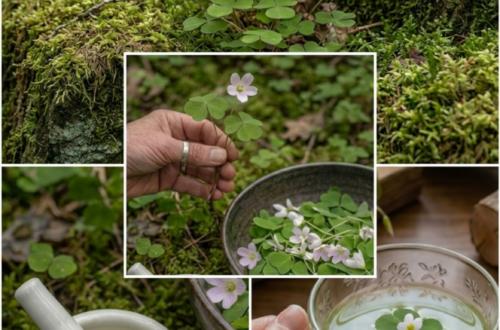
If you have clean, chemical-free purslane growing nearby (or can buy it from a trusted source), you can turn it into the same kind of green powder shown in the photos.
Step 1 – Harvest & Clean
- Pick young, healthy stems and leaves – avoid plants growing right next to roads, sprayed areas, or polluted soil.
- Rinse thoroughly in plenty of water to remove soil and dust.
- Pat dry with a clean towel or spin in a salad spinner.
Step 2 – Dry the Herb
You want the purslane completely dry before grinding so it doesn’t mold.
- Spread the stems and leaves on a tray in a single layer.
- Dry in:
- A shaded, airy spot for 2–3 days or
- An oven on the lowest setting with the door slightly open or
- A dehydrator at low temperature.
- It’s ready when the pieces snap easily instead of bending.
Step 3 – Grind Into Powder
- Remove any thick, woody stems if you like a finer powder.
- Use a spice grinder, blender, or mortar and pestle to grind until you get a uniform green powder.
- Store in an airtight glass jar away from heat and sunlight.
Properly dried, the powder can last several months with its color and aroma intact.

How To Use Purslane Powder & Best Time To Take It
You don’t need large amounts. Think of this as a daily helper, not a mega-dose supplement.
Basic Purslane Drink
- ½–1 teaspoon purslane powder
- 1 cup warm (not boiling) water
- Optional: a slice of lemon, a little honey, or a pinch of ginger
Stir well and sip slowly.
Other Easy Ways to Use It
- Sprinkle over soups, congee, or rice just before eating.
- Blend into smoothies with banana, pineapple, or mango.
- Mix into omelets or scrambled eggs for a mineral boost.
Best timing
- Morning – to start the day with a gentle anti-inflammatory, mineral-rich boost.
- After physical work or workouts – when your muscles and joints feel tight.
- Evening – in a warm drink, especially if back or knee stiffness tends to show up at night.
Why This Herb Shows Up
From a traditional view (TCM, folk herbalism, Ayurvedic-style logic):
- Purslane is considered cooling and moistening, helping clear “heat” and irritation from joints and tissues.
- Its slightly sour taste is linked with the liver and tendons, which are seen as key to flexible movement and recovery.
From a modern nutrition lens:
- Plant omega-3s + antioxidants help calm chronic low-grade inflammation that contributes to stiffness and joint aches.
- Magnesium supports muscle relaxation, which can matter a lot if your back pain is partly from tight, overworked muscles.
- The mild diuretic effect and fiber support digestion and elimination – important because a sluggish gut can worsen systemic inflammation.
What to realistically expect
- First few days: you might notice digestion feels a bit smoother and stools more regular. Some people feel slightly lighter or less puffy.
- 2–4 weeks of steady use + good habits (stretching, walking, sleep): joint and back discomfort may feel milder or less constant.
- Beyond that: think of purslane as one brick in a bigger foundation—alongside weight management, movement, and medical care when needed.
Safety, Side Effects & Who Should Avoid Purslane
Even natural herbs need respect.
Use extra caution or talk to your doctor first if:
- You have kidney stones or a history of them – purslane contains oxalates, which can aggravate certain stone types.
- You’re taking blood thinners or strong medications – any herb with antioxidant and mineral activity can theoretically interact.
- You’re pregnant, breastfeeding, or have chronic kidney disease – always check with your healthcare provider before adding concentrated herbal powders.
General tips:
- Start with ¼–½ teaspoon per day and watch how your body reacts.
- Stop using it if you notice itching, stomach pain, or any unusual symptoms.
- This is not a replacement for medical treatment for severe back pain, disc problems, or inflammatory diseases; it’s a gentle dietary support.
Final Takeaway
Purslane is one of those “sidewalk plants” that quietly carries serious nutrition: plant omega-3s, minerals, and antioxidants in a single humble weed. Dried into a powder and sipped regularly, it can support your joints, muscles, and back as part of a broader anti-inflammatory lifestyle.
If your garden or local market has this little plant, don’t ignore it next time – you might be walking past a natural ally for stiff, overworked muscles.
Save this guide if you want to try making purslane powder later.