Most people assume heart health is mostly “genetics,” but research shows your arteries respond far more to what you eat every day than to your DNA—and those responses can happen within hours, not years. Certain foods help relax blood vessels, improve cholesterol handling, and lower oxidative stress, while others quietly push things in the opposite direction.
Here is a clear, friendly breakdown of key heart-supportive foods, how they work, and simple ways to build them into daily life.
Foods that quietly protect your heart
Oatmeal
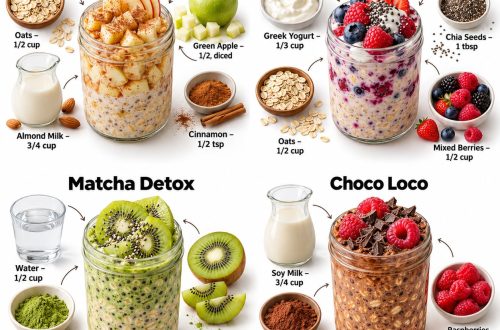
Oats are rich in beta‑glucan, a soluble fiber that forms a gel in the gut and binds part of the cholesterol that would otherwise be absorbed. This helps lower LDL (“bad”) cholesterol and smooth out morning blood sugar swings, which reduces stress on arteries. A warm bowl with minimal sugar and some fruit is a strong start to the day.
Almonds
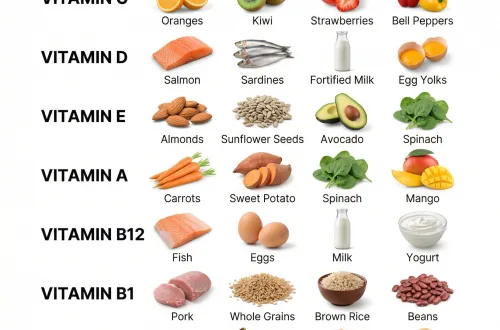
Almonds provide monounsaturated fats, vitamin E, magnesium, and plant sterols. Together, these support healthier LDL levels and help protect the delicate inner lining of blood vessels from oxidative damage. A small handful as a snack is enough; the benefit comes from consistency, not large portions.

Extra-virgin olive oil
Olive oil is a core part of Mediterranean-style diets linked with lower cardiovascular risk. It contains polyphenols such as oleocanthal, which have anti‑inflammatory effects and support endothelial function (the ability of arteries to widen and contract properly). About one tablespoon per day used as a salad dressing or drizzled on cooked vegetables is a realistic goal.
Spinach and leafy greens
Dark greens provide nitrates that your body converts into nitric oxide, a molecule that relaxes blood vessels and improves circulation. They also contain folate, vitamin K, magnesium, and antioxidants. Adding a daily serving of spinach, kale, or mixed greens—raw or lightly cooked—helps support blood pressure and vascular health.
Beans and lentils
Beans combine fiber, plant protein, and minerals like potassium and magnesium. The fiber helps lower LDL cholesterol and slow glucose absorption; the minerals support blood pressure regulation. Replacing some red or processed meat with beans a few times per week is strongly associated with better heart outcomes.
Garlic
Garlic’s sulfur compounds, especially allicin, can modestly support blood pressure and vascular function. Raw or lightly crushed garlic has the strongest effect; cooked garlic still contributes but more gently. Aged garlic preparations used in studies show consistent benefits for blood pressure and arterial stiffness.
Citrus fruits
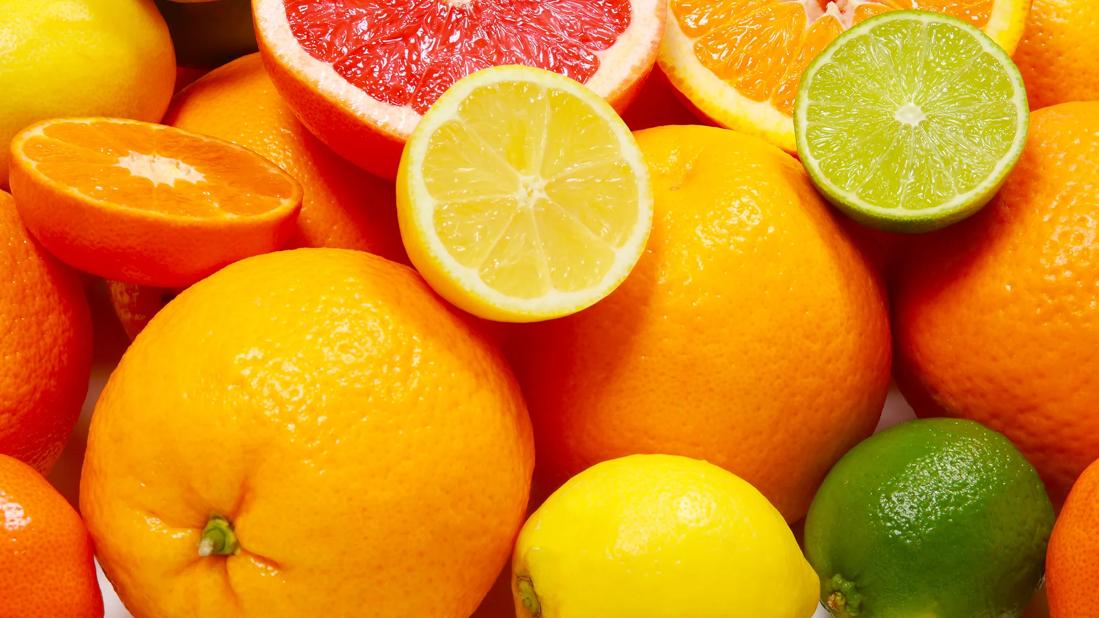
Oranges, grapefruit, and lemons provide vitamin C and flavonoids that support collagen in vessel walls, improve arterial stiffness, and help reduce oxidative stress. A piece of citrus fruit or a glass of diluted lemon water daily is a simple way to add this support, assuming no interaction with medications like certain statins or blood pressure drugs.
Dark chocolate (70% cocoa or higher)
High‑cocoa dark chocolate contains flavanols that can improve endothelial function and enhance blood flow in moderate amounts. The key is quality and portion: a small square or two of minimally processed dark chocolate, not sugar‑heavy milk chocolate, is what aligns with heart benefits.
Avocado
Avocados provide monounsaturated fats, fiber, and potassium. This combination helps support healthier LDL and HDL profiles, regulate blood pressure, and reduce overall arterial strain. Using avocado in place of creamy spreads or processed fats is an easy heart‑smart swap.
Supporting foods that round out a heart-healthy pattern
Berries
Berries are rich in anthocyanins and vitamin C, which have been associated with better endothelial function and reduced oxidative stress. Regular intake correlates with lower risk of heart events in observational studies.
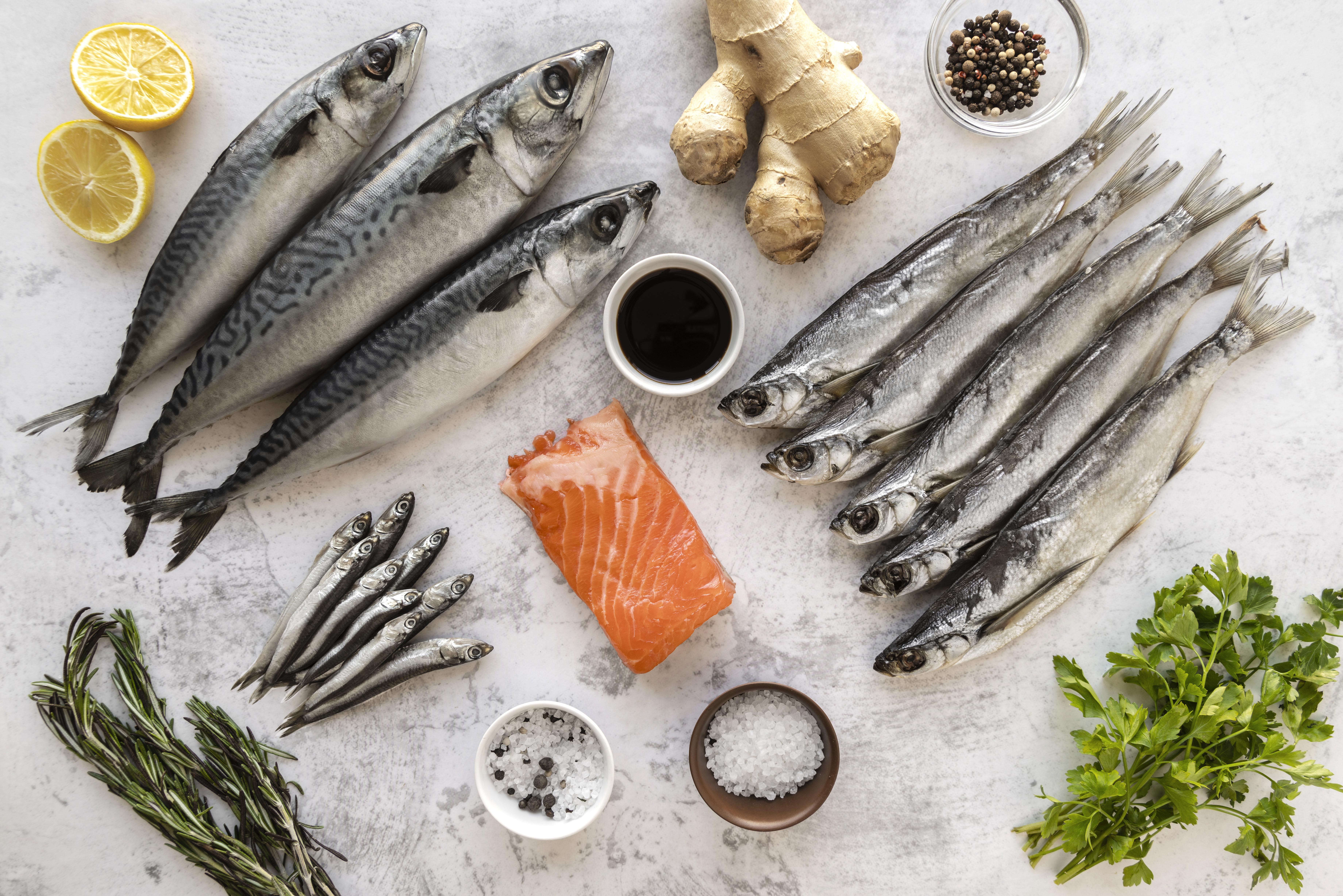
Fatty fish (salmon, sardines, mackerel)
These fish are major sources of EPA and DHA omega‑3 fatty acids. Omega‑3s help lower triglycerides, support anti‑inflammatory pathways, and may reduce the risk of certain cardiac events when consumed consistently. Many guidelines suggest two servings of oily fish per week for general heart protection.
Walnuts and other nuts
Walnuts provide plant omega‑3 (ALA), antioxidants, and fiber. Regular nut consumption in moderate amounts is associated with lower coronary heart disease risk and improved lipid profiles.
Green tea
Green tea offers catechins such as EGCG that help reduce oxidative stress, support healthy blood pressure, and may improve cholesterol patterns. Replacing sugary drinks with unsweetened green tea is a powerful but simple change.
Flaxseed
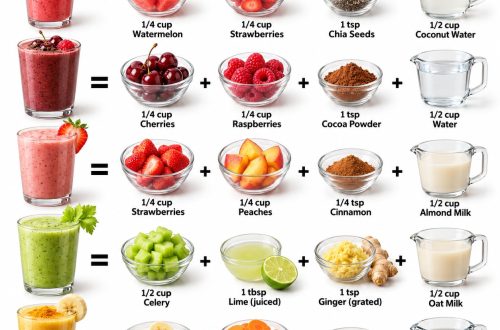
Ground flaxseed delivers ALA, lignans, and soluble fiber. These components help lower LDL cholesterol and support more favorable triglyceride and blood pressure levels. One to two tablespoons of ground flaxseed added to breakfast or smoothies is a practical dose.
Sweet potatoes
Rich in potassium, fiber, and carotenoids, sweet potatoes help with electrolyte balance and provide slow‑release carbohydrates that avoid sharp glucose spikes. Better blood sugar control means less long‑term stress on blood vessels.
Putting this into a friendly daily pattern
You do not need all 15 foods every day. The goal is repetition and variety across the week.
For example:
-
Breakfast: Oatmeal cooked with ground flaxseed, topped with berries and a few almonds.
-
Lunch: Large salad with spinach or mixed greens, beans, tomato, and a dressing of extra‑virgin olive oil and lemon.
-
Snack: A small handful of nuts and a piece of citrus fruit or green tea plus dark chocolate.
-
Dinner: Grilled salmon or other fatty fish, a side of sweet potato, and steamed vegetables with garlic and olive oil.