If you grew up in Asia or the Pacific Islands, you probably know taro as a comfort food – steamed, boiled, mashed, or turned into sweet desserts.
What many people don’t realize is that this earthy root quietly supports many major organs at once: gut, liver, heart, and even brain. The image above says it all – a simple farm crop with powerful, whole-body effects.
Let’s walk through what taro does inside your body, how to prepare it the right way, and when you might start to feel the difference.
What Taro Root Does Inside the Body
Taro is more than just a starchy side. It’s rich in fiber, resistant starch, minerals, and plant antioxidants that work in several systems at once.
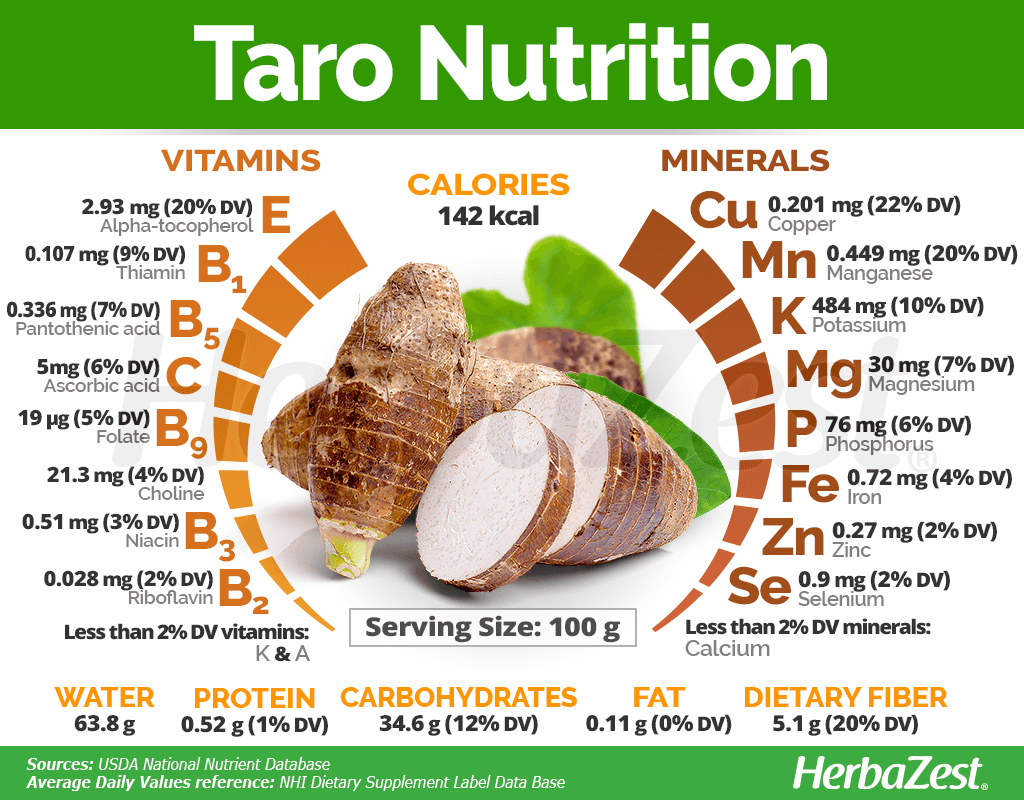
1. Gut & Intestines
- High fiber and resistant starch feed the good bacteria in your colon.
- This can support smoother bowel movements and less bloating over time.
- A healthier gut microbiome also supports immunity and mood.
2. Stomach & Digestion
- When cooked until soft, taro is gentle on the stomach.
- The slow-digesting carbs help you feel full without heavy spikes in blood sugar.
- Many traditional cuisines use taro for those recovering from illness because it is easy to digest when prepared simply.
3. Liver & Metabolism
- Taro provides antioxidants (like polyphenols) that help the liver deal with everyday oxidative stress.
- Stable energy from complex carbs keeps you away from constant sugar crashes, which indirectly eases the burden on liver and pancreas.
4. Heart & Circulation
- Potassium in taro helps balance sodium and may support healthy blood pressure.
- Fiber helps keep cholesterol levels in a better range when combined with an overall healthy diet.
5. Brain & Energy Levels
- Slow, steady carbohydrates support stable energy for the brain.
- You avoid the “spike and crash” feeling that often comes with highly processed snacks.
In many traditional systems, taro is seen as a “grounding” food – something that stabilizes, nourishes, and gently builds long-term strength.
Simple Ways to Prepare Taro (Safely)
Raw taro contains tiny calcium oxalate crystals that can irritate the mouth and skin, so it must always be cooked thoroughly.
Here are easy, traditional-style ways to enjoy it:
1. Boiled or Steamed
- Peel taro with a knife (you can wear gloves if your skin is sensitive).
- Cut into chunks.
- Boil or steam for 20–30 minutes until completely soft.
- Sprinkle with a pinch of salt, drizzle of healthy oil, or serve alongside vegetables and protein.
2. Taro Soup or Congee
- Add peeled taro cubes to rice porridge or light broth.
- Simmer until the taro pieces break apart easily with a spoon.
- This is especially soothing if you have a weak appetite or sensitive digestion.
3. Mashed Taro
- Cook taro until very soft.
- Mash with a little warm milk or coconut milk for a creamy, comforting side dish.
- Pair with steamed greens or fish for a balanced plate.
4. Roasted Taro
- Toss peeled taro pieces with oil and spices.
- Roast in the oven until golden and crisp on the outside, soft on the inside.
- A healthier alternative to deep-fried snacks.
When and How Often to Eat Taro
You do not need huge amounts. Think of taro as one smart carbohydrate choice on your plate.
- Enjoy it 1–3 times per week in place of white rice, white bread, or fries.
- Combine it with:
- A source of protein (fish, beans, eggs, tofu)
- Plenty of vegetables
- Some healthy fat (olive oil, avocado, nuts, seeds)
Timeline for noticing benefits:
- Comfortable digestion and steadier energy: often within a few days to a week of swapping out more processed carbs.
- Cholesterol and blood pressure effects: usually over several weeks to months, together with overall healthy habits.
Why Taro Works
Traditional Asian and Pacific Island diets have long used taro as a staple for:
- Sustained energy for farm work
- Gentle nourishment after illness or childbirth
- Comfort food that doesn’t over stress the stomach
Modern nutrition helps explain why:
- Resistant starch & fiber support gut bacteria and blood sugar balance.
- Potassium supports heart and blood pressure health.
- Antioxidants help protect cells from daily wear and tear.
It’s a perfect example of an old food that modern science is finally catching up with.
Safety Notes – Who Should Be Careful?
Taro is generally safe when fully cooked, but a few reminders:
- Never eat it raw. It can cause burning or irritation in the mouth and throat.
- People with kidney issues or a history of kidney stones should talk with their doctor before eating large amounts of high-oxalate foods (like taro).
- If you have diabetes, count taro as a carbohydrate and watch portion sizes as part of your meal plan.
- As with any new food, start with a small amount and see how your body responds.
Final Takeaway
From the farmer’s field to your plate, taro is a humble root that quietly nourishes the gut, liver, heart, and brain all at once. When you prepare it simply and eat it in place of refined carbs, it becomes a powerful ally for long-term health.
👉 Save this guide if you want to start cooking with taro.