Plantain leaves (from the Plantago family, often Plantago major or Plantago lanceolata) are one of those wild plants many people walk past every day without noticing. In traditional wellness circles, they’re often drink plantain leaf tea for circulation support and vascular comfort, especially when the body feels “stuck,” heavy, or inflamed.
What surprises most people is that plantain isn’t only a “skin herb.” It is also commonly prepared as a tea or infusion, used gently as part of a daily routine to support overall balance – especially when lifestyle habits like poor hydration, high-sodium meals, stress, and low movement start affecting how you feel.
Most people never realize this works because plantain looks so ordinary… yet it contains plant compounds that traditional herbalists have valued for generations.
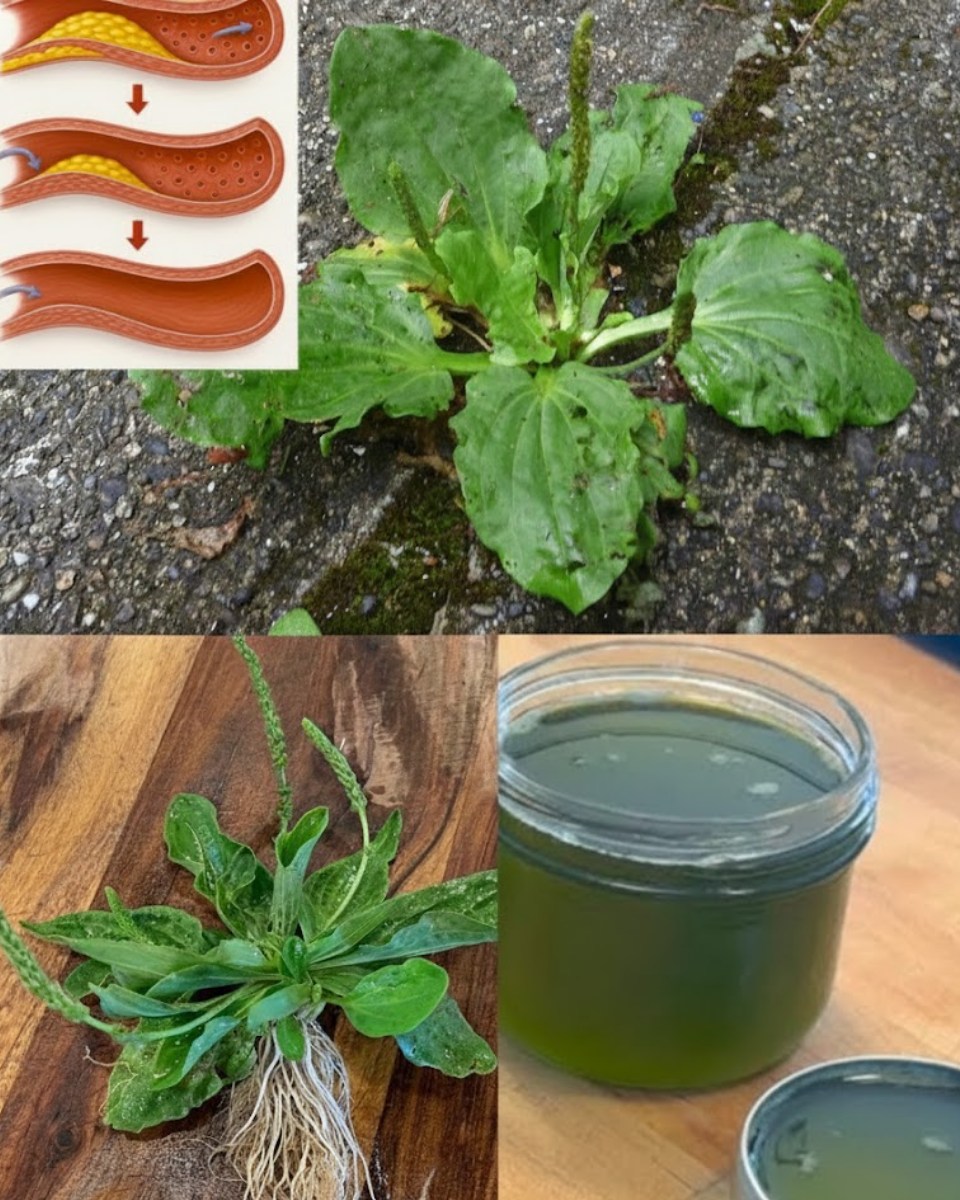
What Plantain Leaves Are (And Why They’re Used Traditionally)
Plantain leaves are broad or narrow green leaves with noticeable veins, often found in lawns, paths, and disturbed soil. In traditional herbal practices, plantain is often described as:
- Soothing for irritated tissues
- Supportive for normal inflammatory balance
- Helpful for everyday fluid and “comfort” support
When people mention plantain for circulation, they are usually talking about supporting how the body feels, not making medical promises. Think of it as a gentle herb that fits into a bigger picture: hydration, movement, fiber, and a calmer nervous system.
How to Prepare Plantain Leaves as Tea or Infusion
The image suggests the most common method: tea/infusion. This is also the safest and easiest way for most people to try plantain.
Option 1: Simple Plantain Leaf Tea (Daily-Friendly)
You’ll need
- 1–2 teaspoons dried plantain leaves or
- 6–10 fresh leaves (washed well)
- 2 cups hot water
How to make it
- Rinse leaves thoroughly, especially if foraged.
- Place plantain leaves in a mug or teapot.
- Pour hot water over the leaves.
- Cover and steep for 10–15 minutes.
- Strain and sip warm.
Taste tip: Plantain tea is mild and earthy. If you want it smoother, add a slice of lemon or a little honey.
Option 2: Strong Infusion (Occasional Use)
This method pulls more plant compounds, but it’s stronger.
You’ll need
- 1 tablespoon dried leaves (or a large handful fresh)
- 2 cups hot water
How to make it
- Add leaves to a jar or teapot.
- Pour hot water over them.
- Cover and steep for 30–60 minutes.
- Strain well.
If you’re new to herbal teas, start with the simple tea first.
How to Use It (Best Time to Drink)
If your goal is general circulation and vascular comfort support, consistency matters more than “strong doses.”
A gentle schedule many people use:
- 1 cup in the morning (especially if you wake up puffy or sluggish)
- Or 1 cup mid-afternoon (when energy dips and cravings rise)
- Optional: another cup after a salty meal or long sitting day
Try it for a short window first:
- 3–7 days for “how does my body feel?” feedback
- 2–4 weeks for steadier routine-based changes
Why It May Help (Science-Inspired, Simple Explanation)
Plantain leaves naturally contain compounds that researchers often categorize as:
- Mucilage (plant fibers that feel soothing)
- Polyphenols and flavonoids (antioxidant-style compounds)
- Tannins (traditionally linked to tissue tone and comfort)
What this can mean in real life:
- Better “overall comfort” if your body is easily irritated
- Support for a healthy inflammatory response (a key part of vascular comfort)
- A gentle daily ritual that encourages hydration—which is one of the most underrated circulation habits
Important note: Herbal tea supports the body’s normal functions. It is not a substitute for medical care, and it does not “clean arteries” overnight.
Who Might Benefit Most
Plantain leaf tea may fit well for people who:
- Sit for long hours and feel heavy or sluggish
- Eat high-sodium meals often and want a gentler daily reset
- Want a caffeine-free tea that supports hydration
- Prefer traditional, simple herbs over complicated supplement stacks
Quick Relief Timeline (Realistic Expectations)
Here’s what people usually notice when they use it sensibly:
- Within 24–48 hours: You may feel more hydrated if tea replaces sugary drinks.
- Within 3–7 days: Some people report less “puffiness” or heaviness, especially if they also walk daily.
- Within 2–4 weeks: More noticeable results when paired with consistent movement, balanced meals, and sleep.
If nothing changes after 2–3 weeks, it may simply not be the right tool for your body.
Safety Notes (Read This First)
Plantain is generally considered a gentle herb, but safety still matters.
Avoid or talk to a clinician first if you:
- Are pregnant or breastfeeding
- Take blood thinners, blood pressure medication, or diuretics
- Have kidney disease, heart failure, or fluid-restriction instructions
- Have plant allergies or a history of reactions to herbs
For foraging safety:
- Never harvest from roadsides, sprayed lawns, or contaminated soil.
- Wash thoroughly and consider using dried, food-grade plantain from a reputable seller.
If you get itching, swelling, stomach discomfort, or unusual symptoms, stop immediately.
Final Takeaway
Plantain leaves are a familiar wild plant with a long history in traditional wellness. Prepared as a tea or infusion, they can be a simple, gentle addition to routines focused on hydration, circulation support, and vascular comfort – especially when paired with daily walking, less sodium, and better sleep.