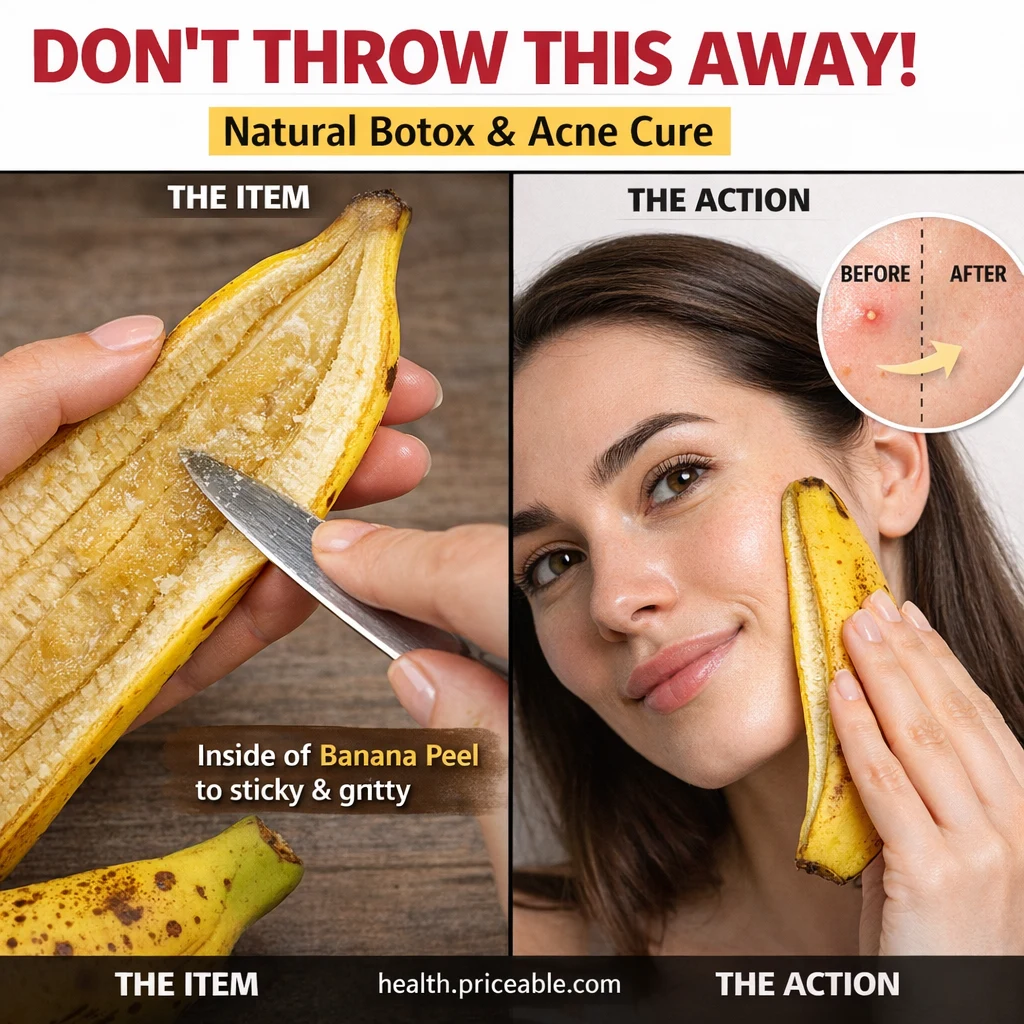
Before you toss that banana peel, here’s the viral skincare trick people keep trying: rubbing the inside of the peel on your face like a quick mask. Using banana peel for face care won’t replace professional treatments, and it definitely isn’t “natural Botox” or an “acne cure,” but some people find it can temporarily support a softer, more hydrated look.
If you’re curious, the key is doing it in a clean, low-irritation way so you don’t end up with clogged pores or an angry rash.
Banana peel for face: what it can and can’t do
Banana peel has natural moisture, plant compounds, and a slightly “slick” texture that can feel soothing on dry skin. When used gently, it may help your skin feel softer and look a bit more refreshed for a short time.
What it can’t do:
-
It won’t work like injectables or permanently “freeze” lines
-
It won’t cure acne (and for some acne-prone people, it can actually trigger congestion if residue is left behind)
Think of it as a simple, rinse-off DIY add-on, not a miracle fix.
How to use banana peel on your face (step-by-step)
What you need
-
1 banana peel (fresh)
-
Gentle fragrance-free cleanser
-
Clean towel or disposable face towel
-
Optional: non-comedogenic moisturizer
Best peel to use
Choose a banana that’s yellow with minimal brown spots. Avoid peels that are very dark, leaking liquid, or have any mold.
Step-by-step routine
-
Wash your hands and cleanse your face. Start with a gentle cleanser so you’re not rubbing dirt or makeup around.
-
Rinse the peel. Quickly rinse the outside of the banana peel under water and pat dry. (This helps reduce surface grime.)
-
Use the inside of the peel. Take a piece of peel and rub the inner side over your skin using light pressure.
-
Focus on targeted areas. Cheeks, forehead, and jawline are common. If you’re acne-prone, avoid heavy rubbing over active breakouts.
-
Massage time: 1–3 minutes.
-
Let it sit: 5–10 minutes max.
-
Rinse well. Use lukewarm water, then pat dry.
-
Moisturize. Apply a lightweight, non-comedogenic moisturizer. If it’s daytime, finish with broad-spectrum sunscreen SPF 30+.
How often to do it
-
Dry or normal skin: 1–2 times per week
-
Oily or acne-prone skin: start with once a week or skip if you notice clogged pores
Why some people like it
Here’s what makes it feel good for some skin types:
-
The peel’s inner surface has a gentle slip that can feel calming
-
It can leave a temporary “softened” feel after rinsing
-
As a quick rinse-off mask, it’s low-cost and simple
If your goal is smoother-looking skin long-term, you’ll usually get more consistent results from proven basics like a gentle cleanser, a barrier-supporting moisturizer, and daily sunscreen.
Common mistakes and quick fixes
Mistake: Leaving sticky residue on the skin
Fix: Rinse thoroughly and don’t leave it on longer than 10 minutes. Residue can feel tacky and may contribute to clogged pores.
Mistake: Rubbing too hard (especially on textured skin)
Fix: Use light pressure. Over-scrubbing can cause redness and irritation.
Mistake: Using an overripe or questionable peel
Fix: Use a fresh peel and avoid peels with dark, wet, or slimy patches.
Mistake: Trying it on broken skin or popped pimples
Fix: Skip those areas. If you want a spot option, consider hydrocolloid pimple patches instead.
Mistake: Doing this and skipping sunscreen
Fix: If you’re also using exfoliants, retinoids, or vitamin C, daily sunscreen matters even more for preventing visible dark marks.
Safety notes (especially for sensitive or acne-prone skin)
-
Patch test first: Rub a small area along the jawline and wait 24 hours.
-
Stop if you feel burning, itching, or swelling.
-
If you’re very acne-prone, banana peel may not be your friend. A salicylic acid cleanser or benzoyl peroxide spot treatment is often a more reliable option.
-
If you use strong actives (retinol, exfoliating acids), keep this simple and avoid layering everything on the same night.
Buying Guide: What to look for if you want to try this
If you’re using banana peel on your face, the “buying decision” is mostly about freshness and cleanliness.
Choosing the right bananas
-
Look for: yellow peel, minimal bruising, no mold
-
Ripeness: slightly ripe is best (not green, not heavily brown)
-
Organic vs conventional: if you’re sensitive or you worry about residue, many people prefer organic bananas, plus a quick rinse before use
Helpful skincare add-ons to pair with this
If your goal is smoother-looking skin or fewer clogged pores, these are worth comparing when you shop:
-
A fragrance-free gentle cleanser (especially if you react easily)
-
A non-comedogenic moisturizer (gel-cream textures work well for oily skin)
-
Sunscreen SPF 30+ for daily use
-
For uneven tone: niacinamide serum or a beginner-friendly vitamin C serum
-
For texture and lines: a low-strength retinol used a few nights a week (go slow)
FAQ
Does banana peel work like Botox?
No. Botox is a medical treatment that relaxes specific muscles. Banana peel may make skin feel softer temporarily, but it won’t create the same effect.
Can banana peel help with acne?
It’s not an acne cure. Some people find it soothing, but others get clogged pores from residue. If you’re acne-prone, patch test and keep it short, or choose proven options like salicylic acid or pimple patches.
How long should I leave banana peel on my face?
Keep it conservative: 5–10 minutes, then rinse well.
Should I use banana peel every day?
I wouldn’t. 1–2 times per week is plenty for most people. Daily use can increase irritation or congestion.
Can I use it under my eyes?
Be careful. The under-eye area is delicate. If you try it, use very light pressure, avoid getting anything in your eye, and stop if you feel irritation. A dedicated eye-safe moisturizer is usually a better choice.
Do I need to wash my face after?
Yes. Always rinse, and if you’re acne-prone, a gentle cleanse afterward can help prevent residue-related breakouts.
What if it makes my skin itchy or red?
Stop immediately, rinse, and use a basic moisturizer. If symptoms persist or worsen, consider checking with a professional.
What’s a better alternative if I want smoother-looking skin?
Daily sunscreen, a gentle cleanser, and a consistent moisturizer do a lot. If you want targeted options, compare niacinamide for oil control, vitamin C for dullness, and retinol for texture (introduced slowly).
If you try the banana peel method, what are you hoping to improve most: dryness, texture, or breakouts?