Dandelion (Taraxacum officinale) is one of the most recognizable wild plants in the world. Often dismissed as a weed, this resilient plant has been used for centuries in traditional herbal systems -particularly dandelion root, which is valued for its role in digestive comfort, liver support, and overall metabolic balance.
Today, dandelion root appears in teas, tinctures, roasted coffee substitutes, and fermented preparations. In this article, we explore how dandelion root has been used traditionally, what modern research suggests, how it’s prepared, and how to use it safely.
⚠️ This content is for educational purposes only and does not diagnose, treat, or cure disease.
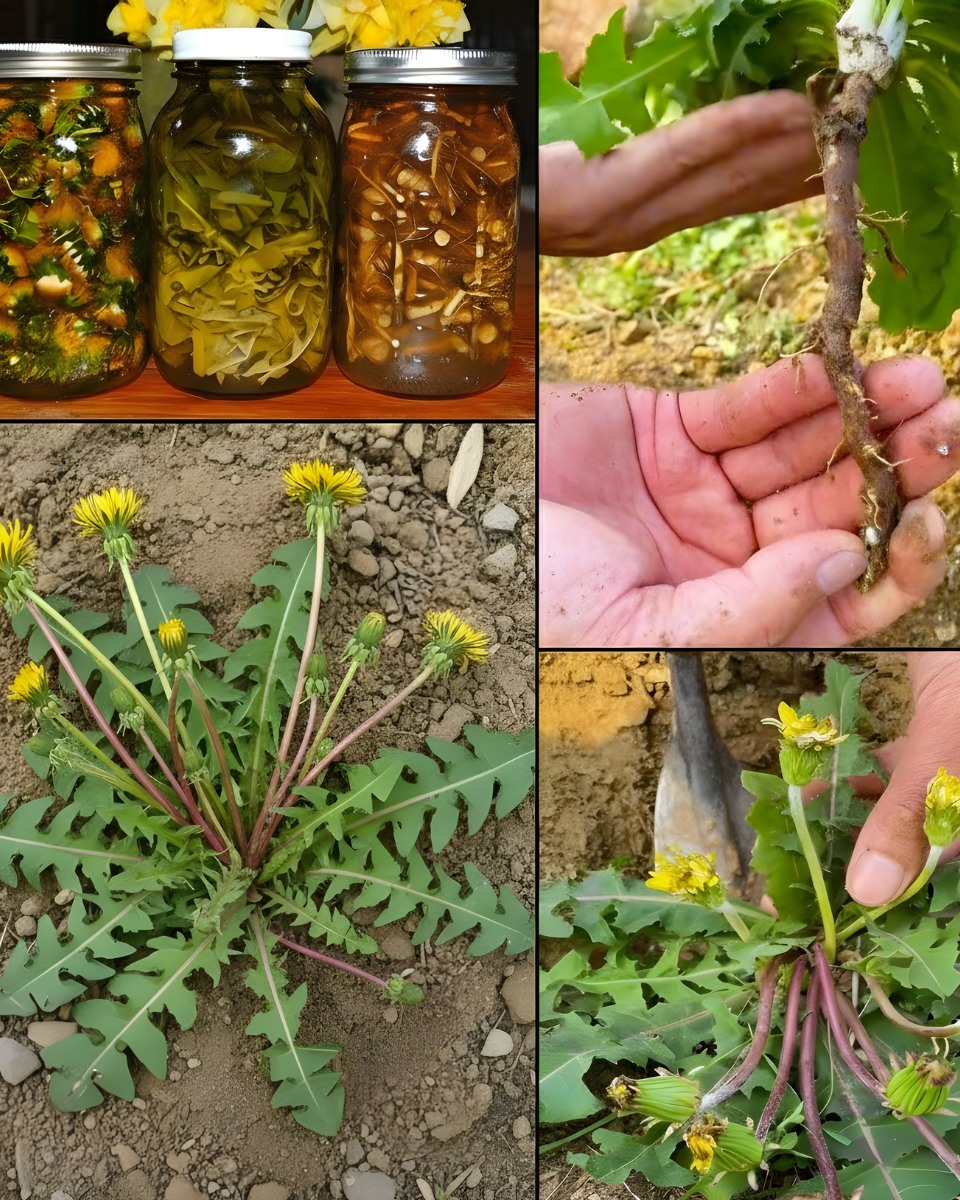
What Is Dandelion Root?
Dandelion root comes from Taraxacum officinale, a flowering plant native to Europe and Asia but now widespread across the globe. While the leaves and flowers are also used, the root is particularly associated with digestion and liver-focused herbal traditions.
Key Identification Features
- Deep taproot (brown outside, white inside)
- Rosette of deeply toothed leaves
- Bright yellow flowers
- Milky sap when broken
Correct identification is essential before harvesting or consuming wild plants.
A Brief History of Traditional Use
Dandelion root has a long history in:
- Traditional European herbalism
- Traditional Chinese Medicine (TCM)
- Ayurvedic-inspired folk practices
- Native American plant traditions
Historically, dandelion root was used as a bitter tonic—a category of herbs believed to support digestion, appetite, and internal balance.
In traditional contexts, it was often used:
- During seasonal transitions (especially spring)
- After heavy or rich meals
- As part of herbal “cleansing” routines
- To support liver and gallbladder function
Why Dandelion Root Is Associated With Liver Support
Understanding “Liver Support” in Herbal Traditions
In traditional herbal language, supporting the liver does not mean detoxifying toxins or curing liver disease. Instead, it refers to helping the liver perform its normal metabolic functions, such as:
- Producing bile for fat digestion
- Processing nutrients
- Supporting healthy digestion and elimination
Bitter herbs like dandelion root have historically been used to stimulate digestive secretions, which indirectly supports liver and gallbladder function.
Bitter Compounds and Bile Flow
Dandelion root contains natural bitter compounds that may:
- Encourage bile production
- Support fat digestion
- Promote digestive comfort after meals
This is why dandelion root is often paired with meals or consumed before eating in traditional practices.
Digestive Benefits of Dandelion Root (Traditional Perspective)
1. Supports Healthy Digestion
Bitter herbs stimulate taste receptors that signal the digestive system to prepare for food. Traditionally, this may help:
- Reduce feelings of heaviness after meals
- Support appetite regulation
- Encourage smoother digestion
2. Prebiotic Fiber Content
Dandelion root contains inulin, a type of prebiotic fiber that:
- Feeds beneficial gut bacteria
- Supports gut microbiome balance
- Promotes regular bowel movements
A healthy gut microbiome plays a key role in digestion, immunity, and overall wellness.
3. Traditional Gut – Liver Connection
In herbal systems, digestion and liver function are closely linked. Supporting digestion is seen as a way to reduce digestive burden on the liver, promoting balance rather than detoxification.
Nutritional Profile of Dandelion Root
Dandelion root contains:
- Inulin (prebiotic fiber)
- Polyphenols and antioxidants
- Trace minerals such as potassium
- Plant compounds associated with bitter taste
While it’s not a vitamin powerhouse, its value lies in functional plant compounds, not macronutrients.
Traditional Ways to Prepare Dandelion Root
1. Dandelion Root Tea (Most Common)
Ingredients
- 1–2 teaspoons dried dandelion root
- 1–2 cups water
How to Prepare
- Add root to water.
- Bring to a gentle simmer.
- Simmer for 15–20 minutes.
- Strain and drink warm.
Taste is earthy and slightly bitter.
2. Roasted Dandelion Root “Coffee”
A popular caffeine-free alternative.
How It’s Made
- Roots are washed, chopped, dried, and roasted
- Brewed like coffee or tea
Traditionally enjoyed for digestive comfort rather than stimulation.
3. Tinctures and Extracts
Used in small amounts, often diluted in water. These are concentrated forms and should be used cautiously.
4. Fermented Preparations (Traditional Practice)
Some cultures ferment dandelion root with other herbs to support digestion. These preparations should be made carefully to ensure safety.
Safety, Precautions, and Who Should Avoid Dandelion Root
Dandelion root is generally considered safe for most people when used in moderation, but it’s not suitable for everyone.
Avoid or consult a professional if you:
- Are pregnant or breastfeeding
- Have gallstones or bile duct obstruction
- Are allergic to plants in the Asteraceae family (ragweed, daisies)
- Take diuretics, lithium, or certain medications
Possible Side Effects
- Mild digestive upset
- Increased urination
- Allergic reactions in sensitive individuals
Always start with small amounts.
Foraging Tips for Dandelion Root
If harvesting wild dandelion root:
- Choose clean, pesticide-free areas
- Avoid roadsides and contaminated soil
- Harvest in fall or early spring for best root quality
- Wash thoroughly before use
Sustainable harvesting helps preserve wild plant populations.
Dandelion Root vs. Dandelion Leaf
| Feature | Root | Leaf |
|---|---|---|
| Taste | Bitter, earthy | Bitter, slightly grassy |
| Traditional Focus | Liver & digestion | Fluid balance |
| Common Use | Tea, roasted drink | Salads, tea |
Both parts are useful but serve different traditional roles.
Frequently Asked Questions
Does dandelion root detox the liver?
There’s no scientific evidence that it detoxes the liver. Traditionally, it supports normal liver function through digestion.
Can dandelion root cure liver disease?
No. It should not be used as a treatment for liver conditions.
How often can I drink dandelion root tea?
Traditionally used occasionally or in short cycles, not continuously long-term.
Is dandelion root safe for daily use?
Short-term daily use is common in traditional practices, but long-term daily use should be discussed with a healthcare provider.
Final Thoughts: A Classic Bitter Root With Modern Relevance
Dandelion root is a powerful example of how traditional herbal wisdom emphasizes support, balance, and moderation rather than aggressive detoxification. Its bitter compounds, prebiotic fiber, and long history of use make it a respected herbal ally for digestion and liver-related wellness routines.
When used thoughtfully and safely, dandelion root can be a valuable addition to a holistic lifestyle focused on gut health and metabolic balance.