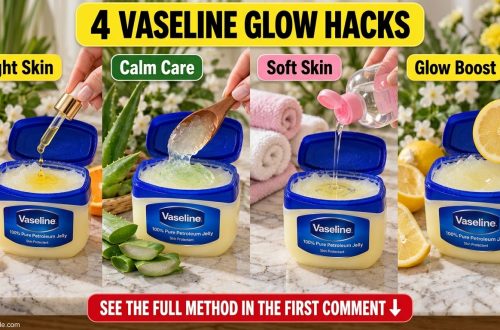
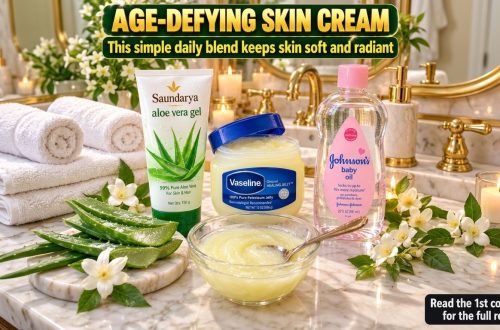
The secret is not using more. The secret is using a thin layer in the right place.
Petroleum jelly does not erase wrinkles, remove dark spots overnight, or replace a full skincare routine. It works mainly by sealing moisture and reducing water loss from the skin surface.
Used correctly, it can make dry areas look smoother and more comfortable.
Why petroleum jelly looks so glowy
- It seals moisture: it helps keep hydration from escaping too quickly.
- It reflects light: the glossy finish can make skin look smoother.
- It protects rough spots: elbows, heels, and lips often respond well.
- It is simple: plain formulas are easy to layer over moisturizer.
- It is budget-friendly: a little goes a long way.
Before mixing anything into your jar, decide whether you want a face-safe routine or a body-only polish. Some viral add-ins are better for elbows and feet than cheeks.
How to make petroleum jelly skin recipes at home
Use a clean spoon and mix small amounts in a separate bowl. Do not contaminate the full jar.
1. Overnight dry patch seal
- 1 pea-size amount petroleum jelly
- Apply over moisturizer on dry patches only
- Best for: cheeks, lips, elbows, knuckles, heels
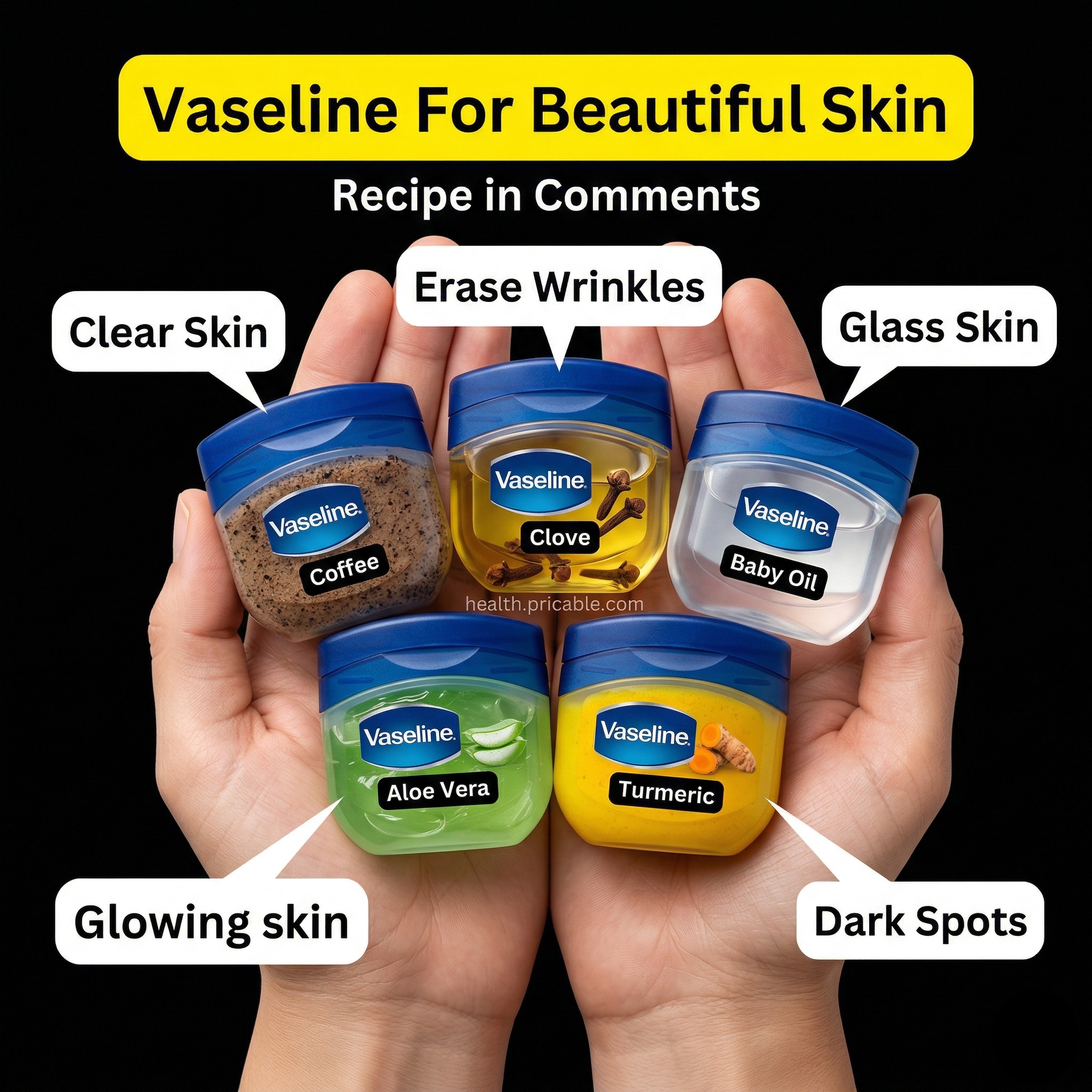
2. Aloe comfort balm
- 1 teaspoon petroleum jelly
- 1/2 teaspoon aloe vera gel
- Mix well and use on dry body spots
3. Body glow blend
- 1 teaspoon petroleum jelly
- 3 drops baby oil or lightweight body oil
- Apply to shoulders, legs, or collarbones for shine
4. Coffee body polish
- 1 teaspoon petroleum jelly
- 1 teaspoon finely ground coffee
- Massage gently on elbows or knees, then rinse well
5. Turmeric rough-spot balm
- 1 teaspoon petroleum jelly
- A tiny pinch of turmeric
- Use only on elbows, knees, or heels because turmeric can stain
Skip clove oil on the face unless it is professionally formulated. It can be irritating when mixed casually into heavy occlusive products.
What to look for before you buy petroleum jelly
The best jar is usually plain, refined, and fragrance-free. Complicated versions are not always better.
- 100% petroleum jelly: simple is often best for sensitive areas.
- Fragrance-free label: especially important for lips and face.
- Clean packaging: sealed jars or tubes are preferable.
- No glitter or tint for skincare: save decorative versions for cosmetic use.
- Soft texture: it should spread easily without graininess.
- Small size for face: a travel tube can be cleaner than dipping into a large jar.
- Clear ingredient list: avoid unnecessary botanical oils if your skin reacts easily.
- Purpose fit: plain for face, richer scented blends for body only if tolerated.
Best petroleum jelly for skin: how to choose a simple jar
For most skincare uses, plain petroleum jelly is the safest starting point. You can always layer it over products you already know your skin likes.
- For lips: choose plain, fragrance-free jelly.
- For face slugging: choose a simple formula and use a rice-grain amount.
- For body glow: a larger jar is fine if you use clean hands or a spatula.
- For travel: a tube is less messy and more sanitary.
How to use petroleum jelly for glass skin without feeling greasy
The glassy look comes from a very thin layer. Too much can feel sticky and heavy.
- Cleanse your face gently.
- Apply hydrating toner or moisturizer.
- Wait 1 to 2 minutes.
- Tap a rice-grain amount of petroleum jelly onto dry areas.
- Keep it away from the lash line if your eyes water easily.
- Use at night or on no-makeup days.
If your skin is acne-prone, try it only on dry patches first instead of applying it all over.
Common mistakes and quick fixes
- Mistake: applying a thick layer. Why: it feels greasy. Fix: use less than you think you need.
- Mistake: using it on dirty skin. Why: it can trap sweat and debris. Fix: apply after cleansing.
- Mistake: mixing strong spices into it. Why: irritation can linger under an occlusive layer. Fix: keep face recipes plain.
- Mistake: using coffee scrub on the face. Why: grounds can be too rough. Fix: keep coffee polish for body areas.
- Mistake: skipping moisturizer underneath. Why: jelly seals, but does not add much water. Fix: layer it over moisturizer.
- Mistake: using turmeric before going out. Why: it may stain. Fix: use it only on body rough spots and rinse well.
Petroleum jelly for sensitive skin: patch test and avoid list
Sensitive skin often does best with plain petroleum jelly and no add-ins. Use it over a moisturizer you already tolerate.
Avoid fragrance, essential oils, clove oil, lemon juice, cinnamon, and gritty scrubs on the face. Patch test any new blend on the inner arm before using it widely.
Safety note
Do not apply petroleum jelly over fresh burns, infected skin, deep wounds, or irritated breakouts without proper guidance. Avoid getting it inside the eyes.
Use clean hands or a spatula. If a homemade mixture changes smell, color, or texture, discard it.
Realistic glow timeline
- Same day: skin may look glossier because petroleum jelly reflects light.
- After 1 week: dry patches often feel more comfortable when sealed over moisturizer.
- After 2 to 4 weeks: rough areas may look smoother with consistent gentle care.
FAQ
What is the best petroleum jelly for skin?
The best choice is usually plain, fragrance-free petroleum jelly with a simple ingredient list.
What should I look for before I buy petroleum jelly?
Look for fragrance-free labeling, sealed packaging, smooth texture, and a formula without unnecessary dyes or glitter.
How do you use petroleum jelly for glass skin?
Apply moisturizer first, then tap a rice-grain amount of petroleum jelly over dry areas for a glossy finish.
How do you make petroleum jelly skin recipes at home?
Mix tiny amounts in a clean bowl and keep face blends simple. Use stronger add-ins like coffee or turmeric only on body areas.
Is petroleum jelly safe for sensitive skin?
Plain petroleum jelly is often well tolerated, but sensitive skin should patch test and avoid fragranced or spicy mixtures.
Can petroleum jelly remove wrinkles?
No. It can make skin look smoother temporarily by sealing moisture, but it does not erase wrinkles.
Can I use petroleum jelly every night?
Some people can, especially on dry patches. Acne-prone skin should start slowly and avoid heavy all-over layers.
Can I mix petroleum jelly with aloe vera?
Yes, for body use or dry patches. Mix a small fresh amount and avoid storing large homemade batches.
When buying a jar, compare simple formulas first. The plainest option often gives the best control because you can decide what to layer underneath.
Final takeaway
- Best use-case: sealing moisture on dry patches and creating a glossy finish.
- Simplest routine: moisturizer first, tiny amount of petroleum jelly second.
- What to buy: plain, fragrance-free petroleum jelly.
- What to avoid: clove oil, lemon juice, gritty face scrubs, and thick layers.
- Next step: try it on lips or dry patches before using it on your full face.