When summer turns fierce and the garden starts to look tired, the right flowers do more than survive, they shine. If you have a sunny bed, a hot border, a roadside plot, or a field edge that bakes through midday, choosing heat loving flowers can save time, reduce water stress, and keep your space vibrant for months.
The best part is that many of these plants are not delicate. They reward simple, consistent care with nonstop color, pollinator activity, and stronger garden resilience. Whether you manage a home garden, a flower patch for market sales, or mixed planting areas around a small farm, these sun-loving bloomers can help you build a landscape that works with the season instead of fighting it.
Why heat loving flowers matter in real garden management
A full-sun garden can be incredibly productive, but it also exposes every weakness in plant selection and maintenance. Flowers that are not adapted to heat often wilt, stop blooming, or become magnets for stress-related pests. Heat-tolerant flowers solve several daily problems at once.
They handle long hours of direct light, recover faster after hot afternoons, and often need less fuss once established. Many also attract butterflies, bees, and beneficial insects, which improves pollination across nearby vegetables, herbs, and fruiting crops. For gardeners and farmers alike, that means beauty and function in the same planting bed.
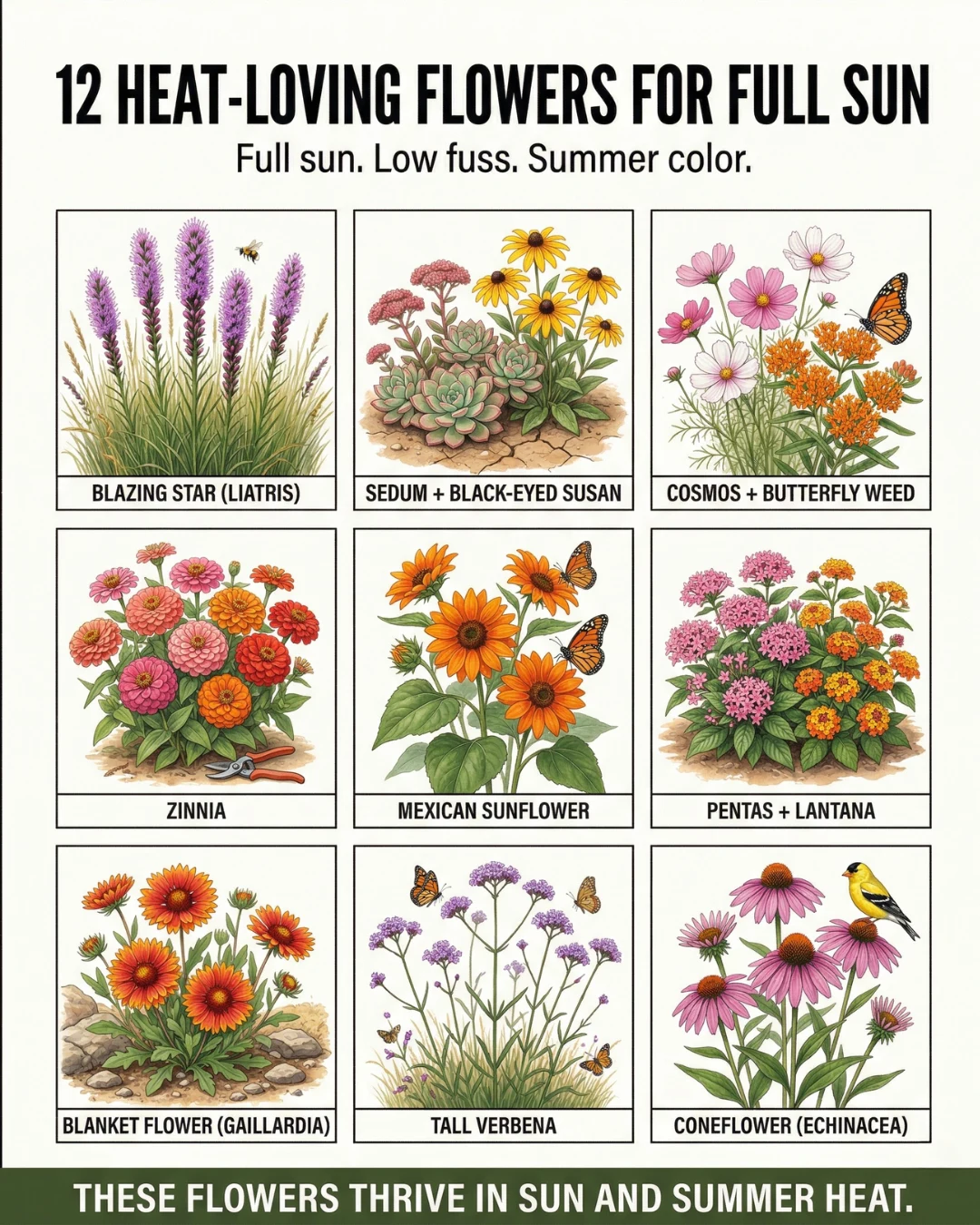
The 12 best full sun flowers for hot conditions
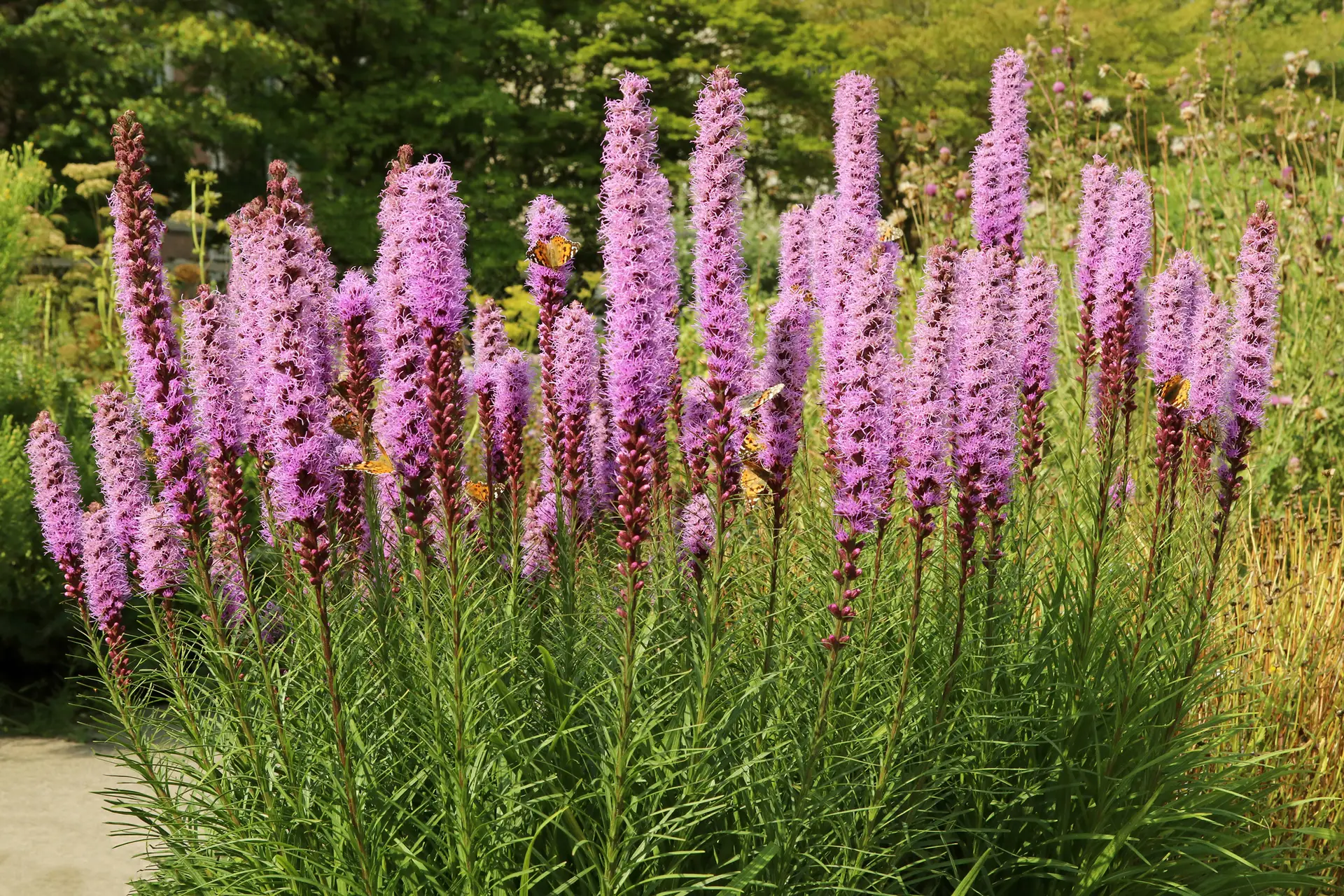
1. Blazing Star (Liatris)
Liatris brings tall purple spikes and strong vertical interest to sunny beds. It thrives in heat and handles dry periods better than many flowering perennials once roots are established. Plant it where the soil drains well, and avoid overly rich ground that can make stems floppy.
Practical tip: Group liatris in clusters instead of single plants. The visual effect is stronger, and the stems support one another better in wind.
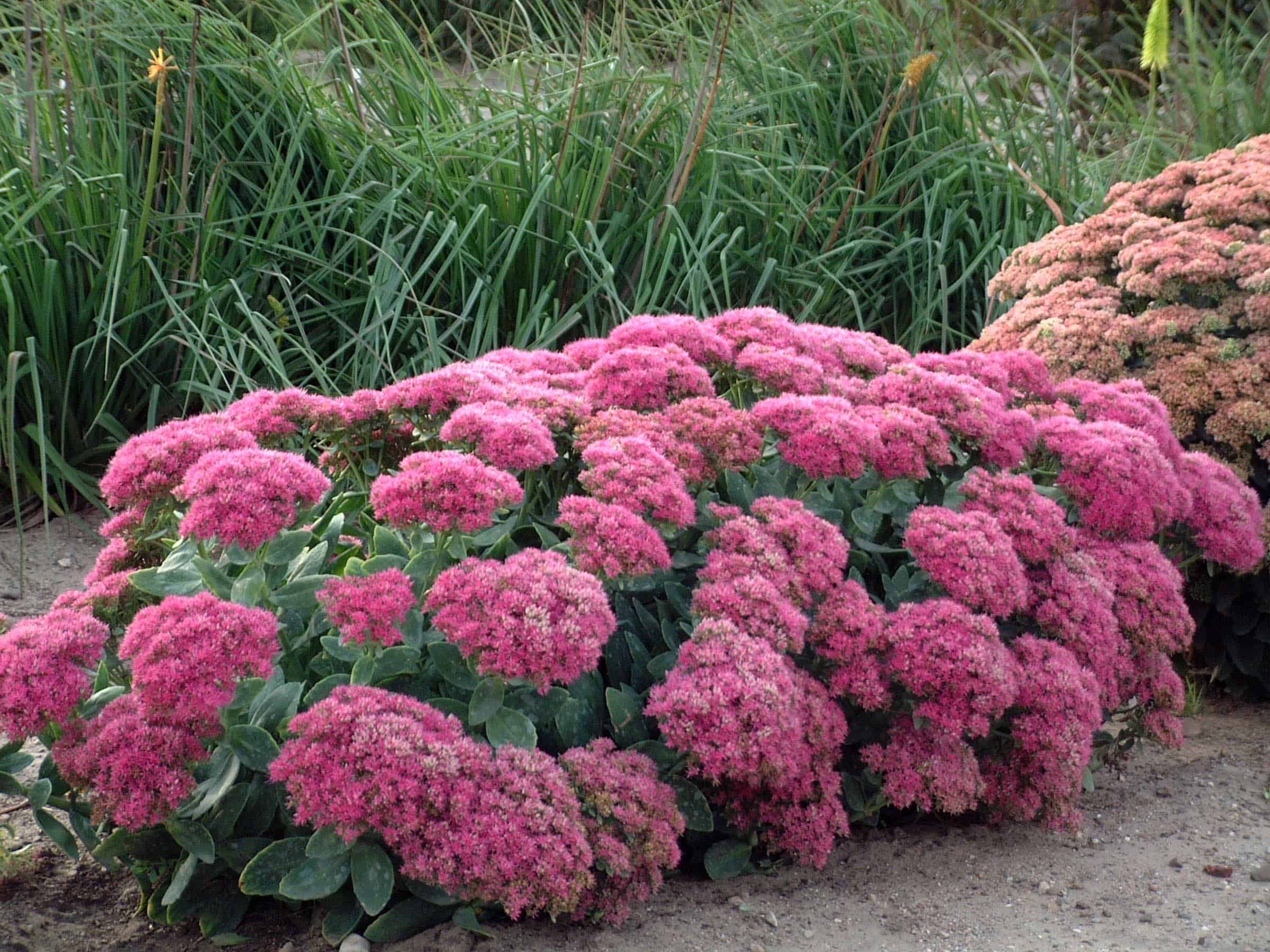
2. Sedum
Sedum is one of the smartest choices for low-maintenance summer color. Its succulent leaves store moisture, which makes it especially useful in dry beds, borders, and rocky areas. It pairs well with taller flowers and fills gaps with texture.
Practical tip: Do not overwater sedum. Too much moisture creates weak growth and reduces its natural toughness.
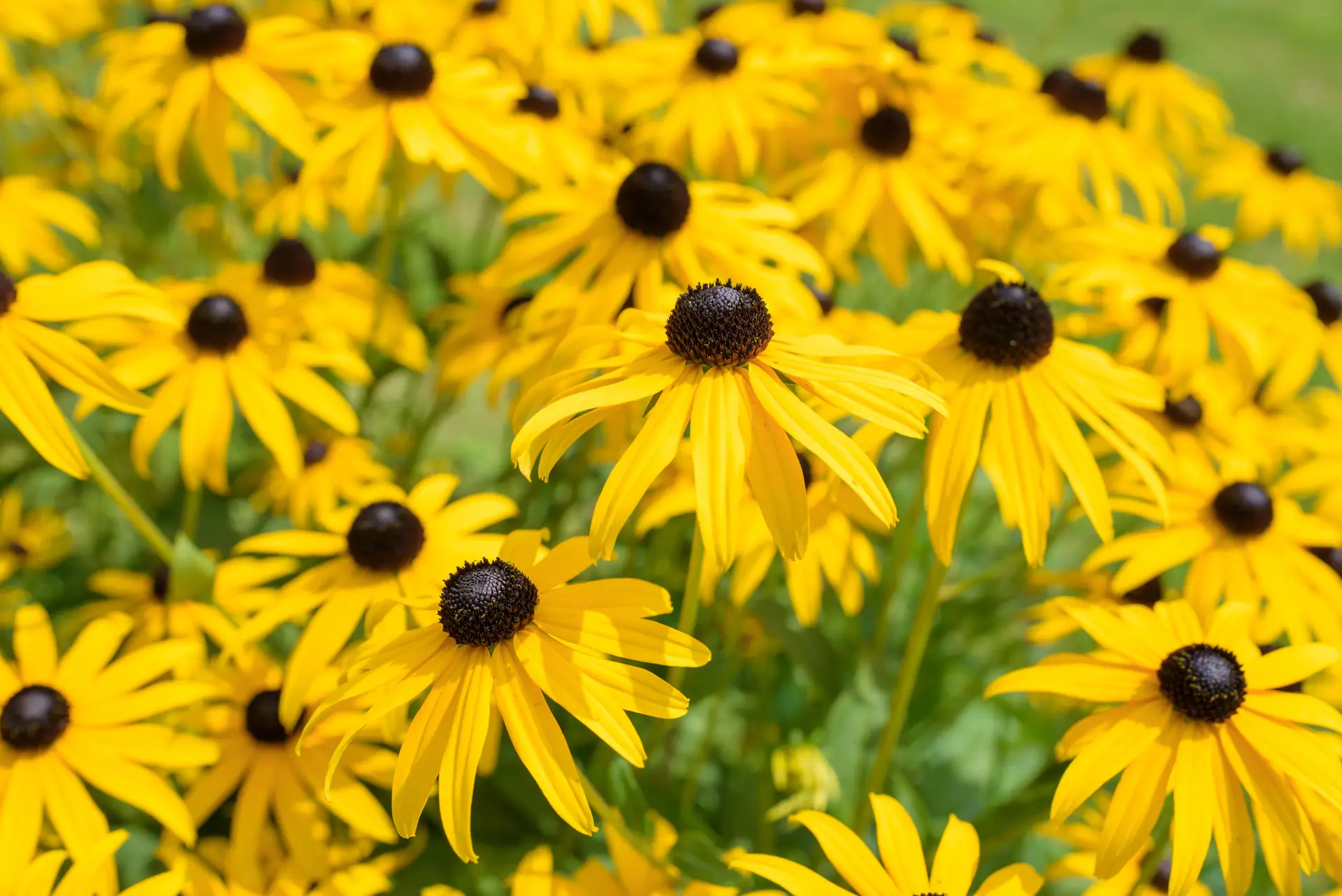
3. Black-Eyed Susan
This classic performer is dependable in hot weather and brings cheerful yellow blooms that keep a garden lively. It works well in mixed borders and pollinator-friendly plantings.
Practical tip: Deadhead early blooms to encourage a longer flowering season, but leave some late-season seed heads for birds if you want extra wildlife value.
4. Cosmos
Cosmos gives a soft, airy look while tolerating heat surprisingly well. It grows fast, flowers generously, and adds movement to the garden. It is especially useful for filling open spaces without making the planting feel heavy.
Practical tip: Avoid overfeeding cosmos. Rich soil often leads to lush leaves and fewer flowers.

5. Butterfly Weed
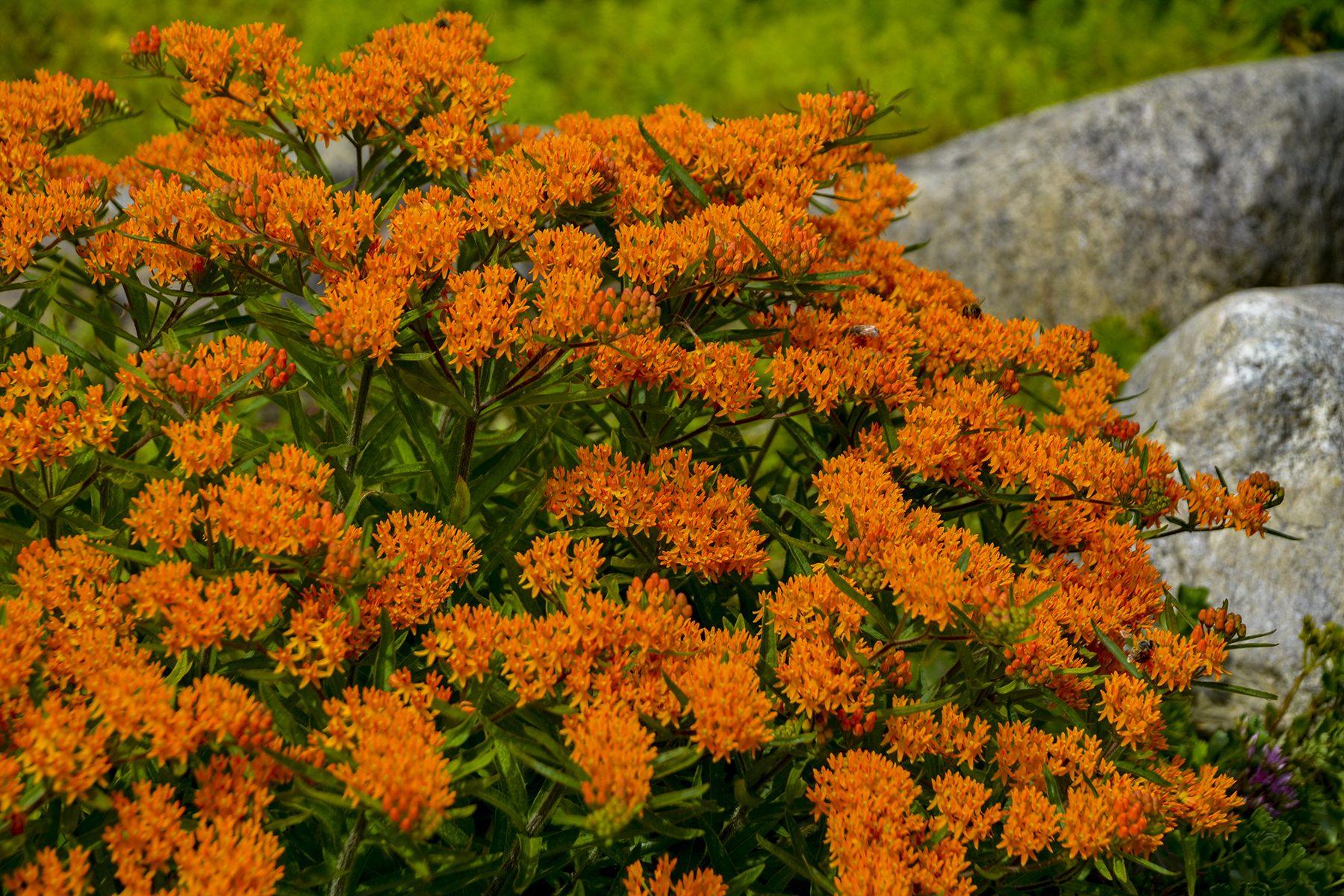
Butterfly weed stands out for both color and ecological value. Its orange blooms handle summer heat beautifully and attract pollinators consistently. Once established, it prefers not to be disturbed.
Practical tip: Plant butterfly weed where it can stay long term. Its deep root helps with drought tolerance, but it does not like frequent transplanting.
6. Zinnia
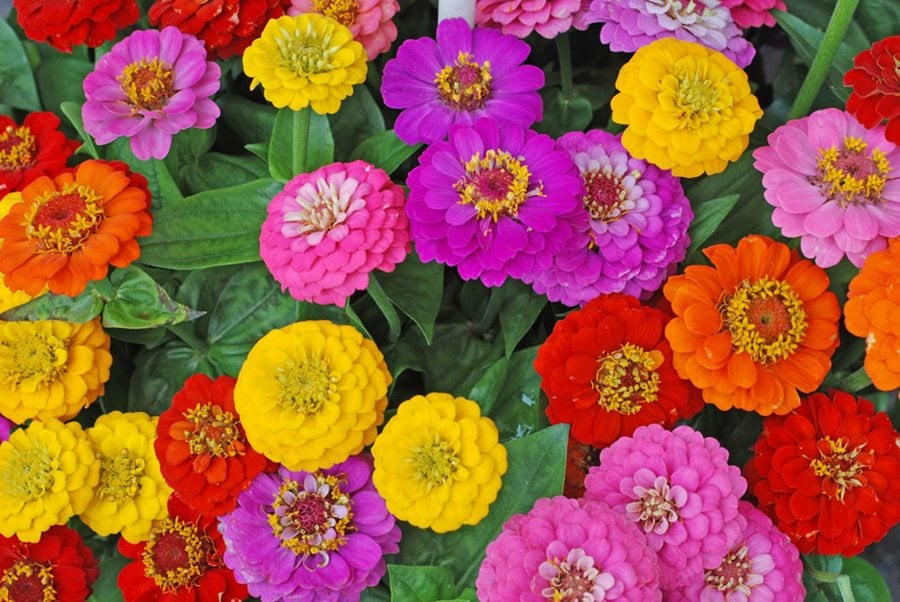
Zinnias are one of the most rewarding warm-season flowers you can grow. They bloom quickly, come in many colors, and perform well in the heat as long as airflow is good.
Practical tip: Harvest or deadhead often. The more you cut zinnias, the more they tend to bloom. This makes them ideal for gardeners who want fresh flowers indoors and continuous production outdoors.
7. Mexican Sunflower (Tinothia)
Mexican sunflower thrives in heat and produces bold orange blooms that pull in butterflies and other pollinators. It is excellent for the back of a bed where you need height and bright color.
Practical tip: Give it room. Crowded planting reduces airflow and makes maintenance harder later in the season.

8. Pentas
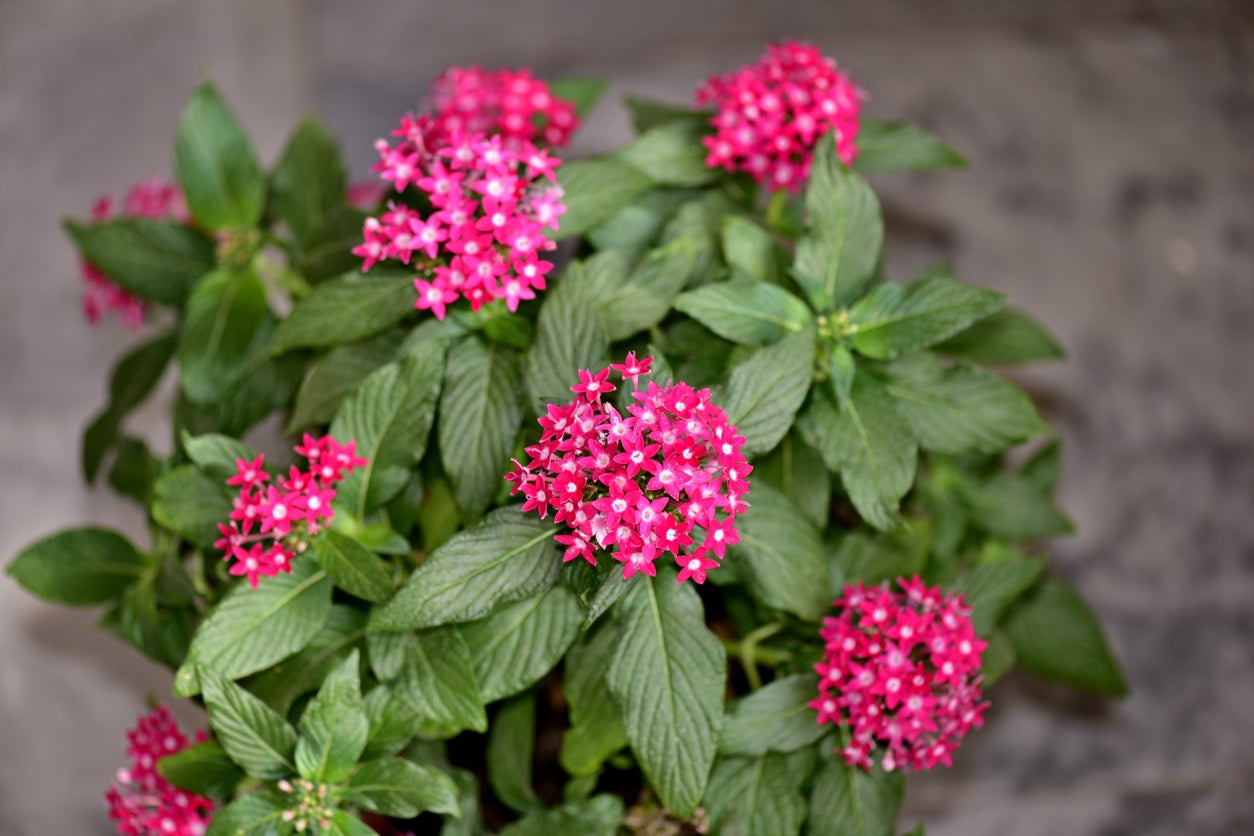
Pentas are reliable in hot weather and keep producing clusters of star-shaped flowers when many other plants slow down. They are especially useful near paths, entrances, and containers where steady color matters.
Practical tip: Water deeply but not constantly. Shallow, frequent watering creates weaker roots and more daily stress.
9. Lantana
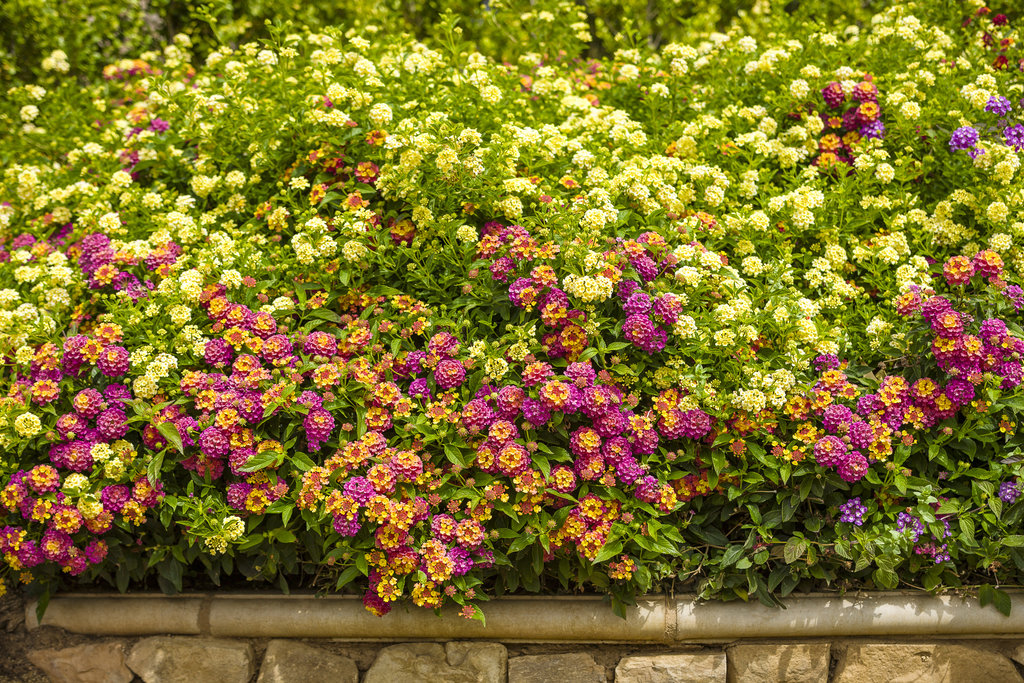
Lantana is a strong choice for hot, bright spaces where you need color with minimal intervention. It handles sun, produces heavily, and keeps attracting pollinators through the warmest stretch of the year.
Practical tip: Use lantana in the toughest spots first, along driveways, walls, reflected heat zones, or dry slopes where more sensitive flowers would struggle.
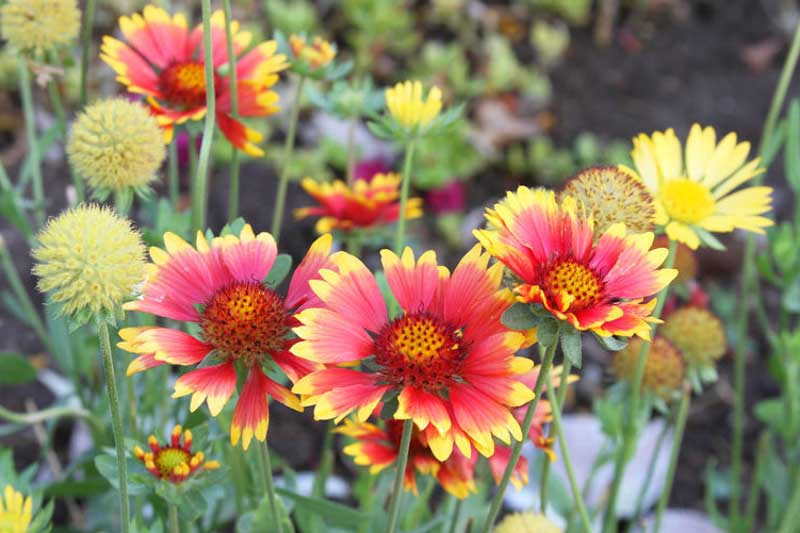
10. Blanket Flower (Gaillardia)
Gaillardia offers fiery color and thrives in lean, sunny ground. It is excellent for gardeners who want long bloom periods without constant maintenance.
Practical tip: Skip heavy mulch right against the crown. In hot climates, too much trapped moisture around the base can shorten plant life.
11. Tall Verbena
Tall verbena adds height without heaviness. Its delicate stems and clusters of purple blooms attract butterflies while letting light pass through to neighboring plants. It is useful in layered planting designs.
Practical tip: Let a few plants self-seed if the space allows. This creates a more natural, resilient summer display over time.

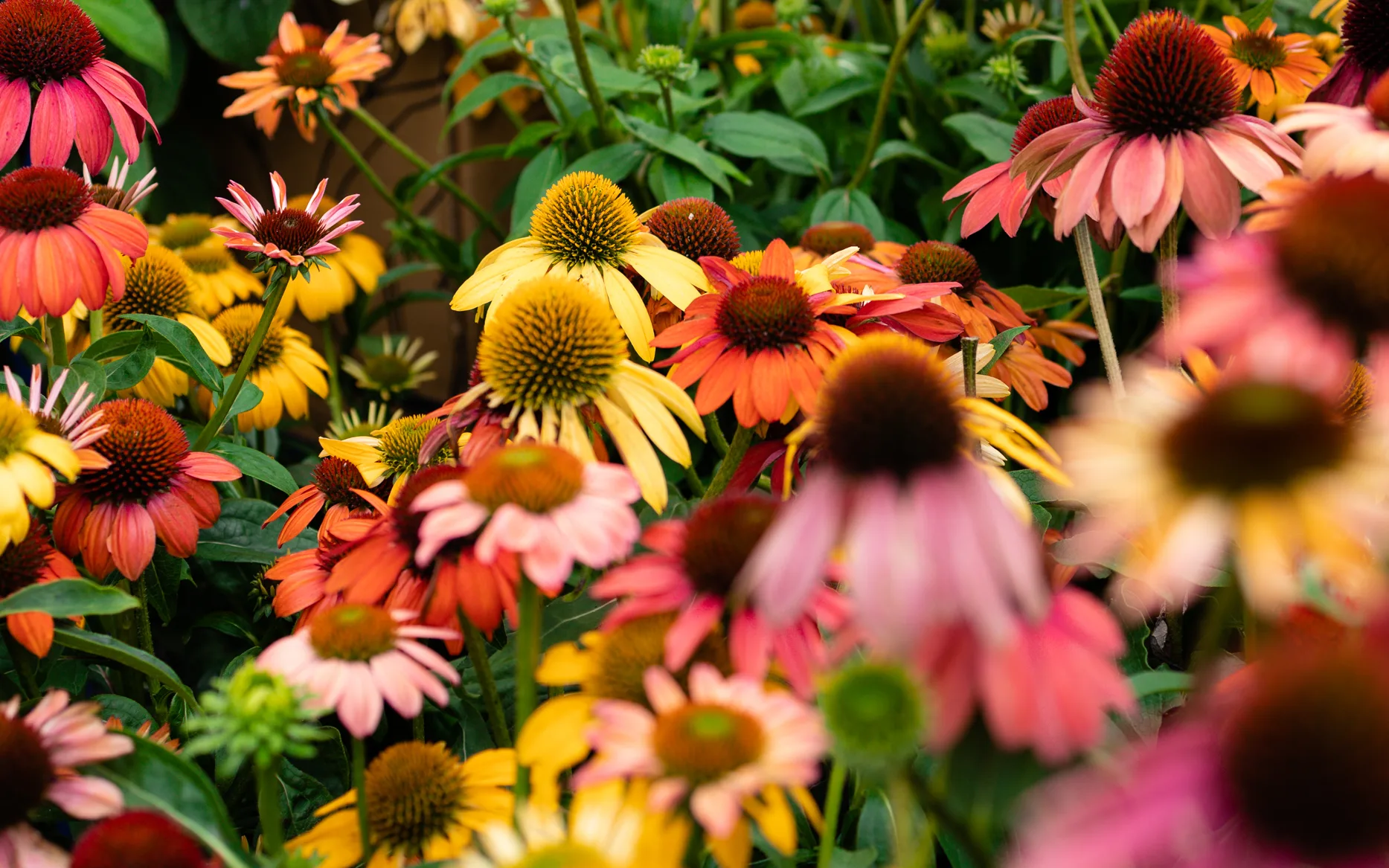
12. Coneflower (Echinacea)
Coneflower is a hardworking perennial for sunny gardens. It handles summer heat well, supports pollinators, and brings strong structure to borders and mixed plantings.
Practical tip: Water regularly during the first establishment season, then gradually reduce frequency. Deep roots are the goal.
How to keep full sun flowers thriving, not just surviving
Start with soil that drains well
Heat-loving flowers still struggle in compacted or waterlogged ground. Before planting, loosen the soil and mix in compost only as needed. The goal is not soft, overly rich soil. The goal is balance: enough fertility for steady growth, enough drainage to protect roots.
Water deeply, then pause
One of the biggest mistakes in summer gardening is light daily watering. It wets the surface but leaves roots shallow and dependent. Instead, water deeply so moisture reaches the root zone, then wait until the top layer begins to dry before watering again.
This approach trains plants to root downward, which improves drought resilience and reduces daily labor.
Mulch with intention
A moderate mulch layer helps keep soil moisture steady and reduces weed pressure. Keep mulch a little away from plant crowns so stems stay dry and airflow remains open.
Feed less than you think
Too much fertilizer often creates leafy plants with fewer blooms, especially in cosmos, zinnias, and similar summer flowers. If the plants are healthy and green, focus more on watering rhythm, spacing, and deadheading than on feeding.
Keep airflow open
Heat alone does not ruin many flowers, but heat plus crowding often does. Space plants according to mature size, not how small they look on planting day. Better airflow means fewer fungal issues, stronger stems, and easier harvesting.
Smart planting combinations for color and resilience
For a low-maintenance hot border, combine sedum, blanket flower, and coneflower. This mix gives strong structure, long flowering, and dependable drought performance.
For pollinator impact, plant butterfly weed, tall verbena, pentas, and lantana together. This creates a steady source of nectar through the hottest part of the season.
For cutting and market-style production, choose zinnia, cosmos, and Mexican sunflower. These grow quickly, produce heavily, and bring variety in shape and color.
A better summer gardening rhythm
A thriving summer garden rarely comes from doing more. It usually comes from doing the right things at the right time: planting tough flowers, watering deeply, spacing wisely, and removing spent blooms before plants waste energy on seed.
That rhythm changes the whole experience. Instead of reacting to wilt, stress, and disappointment, you begin working with the season. Beds stay colorful. Pollinators stay active. Daily care becomes simpler and more satisfying.
Heat does not have to be the enemy of a beautiful, productive garden. With the right flowers in full sun, summer can become the season when your space looks most alive.