An under-eye ice cube for dark circles is one of those beauty tricks people save instantly because it looks simple, cooling, and easy to do before bed. The appeal makes sense: a cold swipe under tired eyes can make the area feel refreshed fast, especially when the cube also contains soothing ingredients like aloe, green tea, and cucumber.
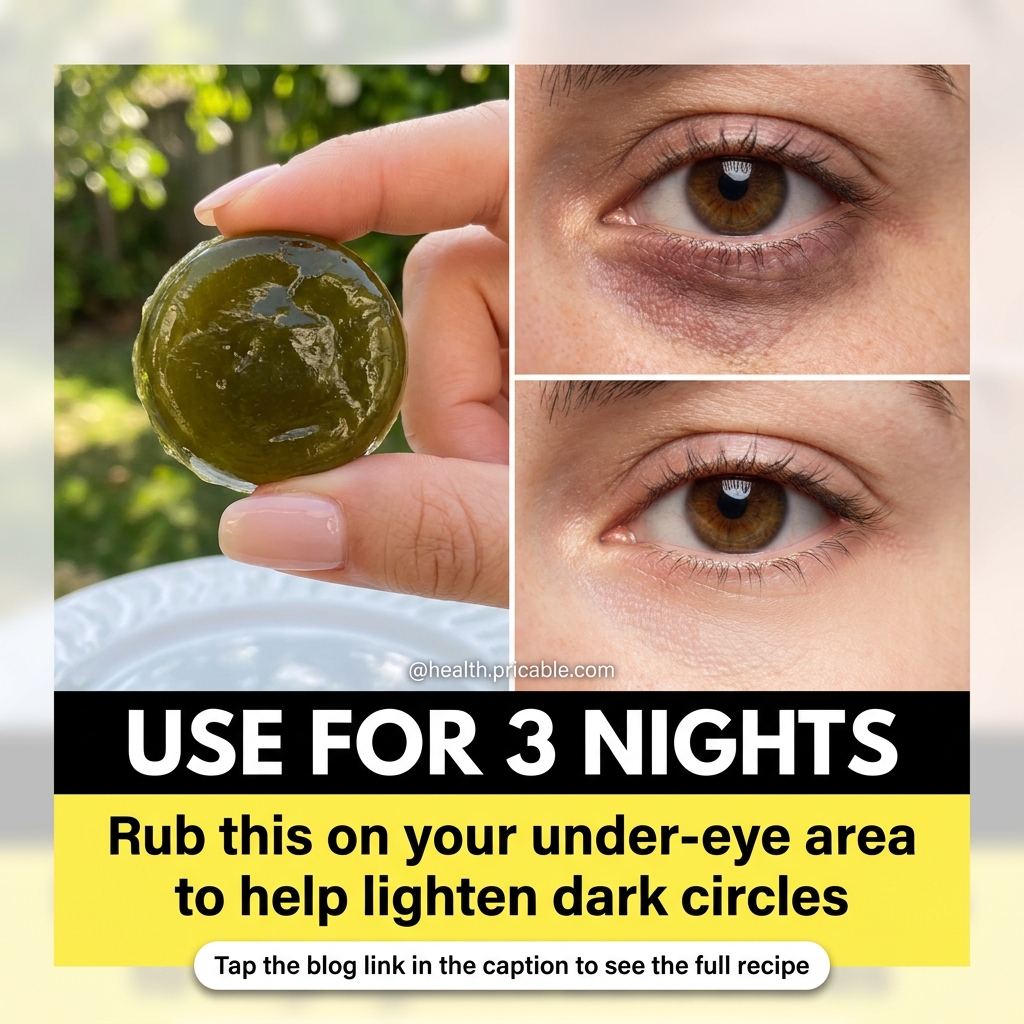
If your under-eye area looks puffy, dull, or shadowy by the end of the day, this kind of routine may help your skin look a little smoother and brighter the next morning. It is quick, inexpensive, and easy to fit into a nighttime skincare routine.
That said, the payoff depends on what is causing your dark circles. A cooling cube may help the look of puffiness and tiredness quickly, but deeper pigmentation, hollowing, allergies, and genetics usually need more than one trick. The good news is that this routine can still be a useful part of a smarter under-eye plan.
- Cold contact may help reduce the look of puffiness for a short time.
- Aloe vera adds slip and light hydration so the skin does not feel dragged.
- Green tea is often used in soothing skincare because it feels calming and refreshing.
- Cucumber adds extra water content and a cool, light feel.
- A consistent nighttime routine usually works better than random one-off treatments.
Before you make your cube, decide what you want most: a quick DIY de-puffing trick, an easy store-bought patch, or a reusable cooling mask you can keep in the fridge. That one choice will usually tell you whether to make it yourself or buy something more convenient.
Best under-eye masks for dark circles and puffiness
If you like the idea of a cold under-eye treatment but do not want to make cubes every week, store-bought options can be easier to repeat. The best choice depends on whether your main issue is puffiness, dryness, or darkness that looks more brown than blue.
- Reusable gel eye masks: Best for morning puffiness and repeat use. Keep them chilled, not frozen solid.
- Hydrogel eye patches: Best when you want hydration plus a quick smoothing effect before makeup or bed.
- Caffeine eye patches: Best if your under-eye area looks puffy or tired after sleep loss or salty meals.
- Niacinamide or brightening patches: Better when your darkness looks more like uneven tone than swelling.
- Cooling metal applicators or eye rollers: Good if you already use an eye serum and want less mess than a cube.
A DIY cube is usually best for people who enjoy a simple ritual and want a very low-cost option. A reusable mask is better if you want consistency. Hydrogel patches are better if you want convenience and hydration in one step.
What to look for before you buy under-eye patches for dark circles
If you decide to buy instead of DIY, read the label the same way you would read a skincare ingredient list for your face. The under-eye area is thin, so small details matter.
- Fragrance-free formulas: This helps lower the chance of irritation close to the eye area.
- Caffeine: A common pick for temporary de-puffing.
- Humectants like glycerin or hyaluronic acid: These help the skin look smoother and less dry.
- Niacinamide: A useful ingredient if you want a more even-looking tone over time.
- Soft, flexible patch material: It should sit flat without scratching or tugging.
- No strong menthol or peppermint: Cooling should come from temperature, not stinging ingredients.
- No heavy glitter or fragrance oils: These can make a delicate area feel worse, not better.
- Clear storage directions: Products that can be chilled safely are often easier to use consistently.
- Simple claims: Look for products that promise hydration, de-puffing, or brightening support instead of dramatic overnight results.
If your under-eye area is very dry, look for hydration first. If it is mostly puffy, choose cooling and caffeine. If the darkness looks more like brown pigmentation, focus on gentle brightening ingredients and daily sun protection around the eye area.
How to make an under-eye ice cube for dark circles
This version keeps the ingredient list simple and avoids harsh ingredients that do not belong near the eyes. The texture should feel soothing, not sticky or abrasive.
Ingredients
- 2 tablespoons pure aloe vera gel
- 2 tablespoons brewed green tea, fully cooled
- 1 tablespoon cucumber juice
- 1 teaspoon rose water, optional
What you need
- A small bowl
- A spoon or mini whisk
- A mini silicone mold or ice tray
- A clean airtight container for storage
Steps
- Brew green tea and let it cool completely.
- Blend or grate cucumber, then strain to get 1 tablespoon of juice.
- Mix the aloe vera gel, cooled green tea, cucumber juice, and optional rose water until smooth.
- Pour the mixture into a mini silicone mold.
- Freeze until solid, usually 4 to 6 hours.
- Transfer the cubes to a clean container and keep frozen.
Storage
Use within 1 to 2 weeks for the freshest texture. Make small batches so you are not keeping the cubes for too long.
Why this recipe works well for a nighttime routine
Aloe gives the cube glide, green tea adds a soothing feel, and cucumber keeps it light and watery instead of heavy. The main effect still comes from the cold temperature, but the extra ingredients help the routine feel gentler and more skincare-like.
How to use an under-eye ice cube safely at night
The safest way to use a cube is not to press bare ice directly against the skin for a long time. Wrap the cube in a thin, clean cotton cloth or hold it through a single layer of soft gauze so you get the cooling effect without harsh contact.
- Cleanse your face and pat the skin dry.
- Wrap one cube in a thin cloth.
- Glide it gently under one eye for 20 to 30 seconds.
- Repeat under the other eye.
- Do one more short pass if your skin feels comfortable.
- Finish with a gentle eye cream or light moisturizer.
The whole routine should take about 1 to 2 minutes. More is not better here. Short and gentle tends to work best.
Common mistakes and quick fixes
- Using bare ice for too long: This can stress delicate skin. Fix: Always wrap the cube and keep each pass brief.
- Dragging the skin: Too much pressure can make the area look worse. Fix: Let the cold do the work and glide lightly.
- Adding lemon or essential oils: These can irritate the eye area. Fix: Stick to plain, soothing ingredients only.
- Using a dirty mold or container: This can make a DIY product less skin-friendly. Fix: Wash and dry all tools before freezing.
- Expecting all dark circles to vanish fast: Some shadows come from genetics or hollowing. Fix: Use the cube for puffiness and add a targeted eye product if needed.
- Skipping moisturizer afterward: Cold alone does not replace hydration. Fix: Seal in comfort with a gentle eye cream.
Safety note
Patch test the mixture on the outer cheek or jawline first. Stop if you get stinging, redness, or watering eyes. Skip this routine if you have broken skin, active irritation, a recent eye procedure, or a cold sensitivity issue. Do not share cubes with anyone else.
What results may look like over time
- Same day: The under-eye area may look less puffy and feel more awake for a few hours.
- After 1 week: With consistent use, the area may look smoother and less tired, especially in the morning.
- After 2 to 4 weeks: If your issue is mostly puffiness or dryness, the under-eye area often looks more settled. If your circles are genetic or pigment-based, changes tend to be modest and slower.
Under-eye ice cube for sensitive skin
If your skin reacts easily, use a simpler version. You do not need a long ingredient list to get the cooling effect.
Sensitive-skin version
- 2 tablespoons pure aloe vera gel
- 2 tablespoons distilled water or cooled boiled water
Freeze this mixture in the same way, then wrap the cube before use. This version is often better if your skin dislikes fragrance, botanical extracts, or extra active ingredients.
Who should be extra careful
- People with eczema-prone or easily irritated skin
- Anyone using strong exfoliants or retinoids near the eye area
- Anyone with recent waxing, peeling, or irritation around the face
- People whose eyes water easily with skincare products
If you are very sensitive, a chilled reusable eye mask may be easier to control than a cube because it spreads the cold more evenly and does not melt across the skin.
FAQ
What are the best under-eye masks for dark circles and puffiness?
Reusable gel masks are usually best for puffiness, while hydrogel patches are better for hydration and convenience. If your dark circles are more about uneven tone than swelling, look for fragrance-free options with niacinamide or a gentle brightening ingredient.
What should you look for before you buy under-eye patches for dark circles?
Look for fragrance-free formulas, soothing hydration, a comfortable patch shape, and ingredients that match your concern, such as caffeine for puffiness or niacinamide for tone support. Avoid strong menthol, heavy fragrance, and overly dramatic claims.
How do you make an under-eye ice cube for dark circles?
Mix 2 tablespoons of aloe vera gel, 2 tablespoons of cooled green tea, and 1 tablespoon of cucumber juice, then freeze the mixture in a small mold. For easier skin tolerance, keep the batch small and use it within 1 to 2 weeks.
How do you use an under-eye ice cube safely at night?
Wrap the cube in a thin cloth, glide it gently under each eye for 20 to 30 seconds, and stop if the skin feels uncomfortable. Follow with a gentle eye cream or moisturizer.
Is an under-eye ice cube okay for sensitive skin?
It can be, but a simpler recipe is usually better. Use aloe vera plus water, wrap the cube before use, patch test first, and skip the routine if your skin is already irritated.
Can you leave an under-eye cube on too long?
Yes. The under-eye area is thin, so long direct contact can be too much. Keep the routine brief and controlled instead of holding the cube in one place.
What ingredients should you avoid near the under-eye area?
Avoid lemon juice, strong essential oils, menthol-heavy ingredients, rough scrubs, and anything that stings. A soothing under-eye routine should feel calm, not intense.
If you like the instant cooling feel but know you will not keep making cubes, this is a good point to compare reusable eye masks, fragrance-free eye patches, and simple caffeine-based eye products. The best under-eye routine is usually the one that feels easy enough to repeat.
Final takeaway
- Best use case: mild puffiness, tired-looking eyes, and a quick nighttime reset.
- Simplest routine: one wrapped cube, 20 to 30 seconds per side, then moisturizer.
- What to buy if DIY feels messy: a reusable chilled eye mask or fragrance-free hydrogel patch.
- What to avoid: lemon, essential oils, hard rubbing, and unrealistic overnight promises.
- Next step: try the DIY cube for a week, then decide whether you want to keep it or switch to a more convenient store-bought option.