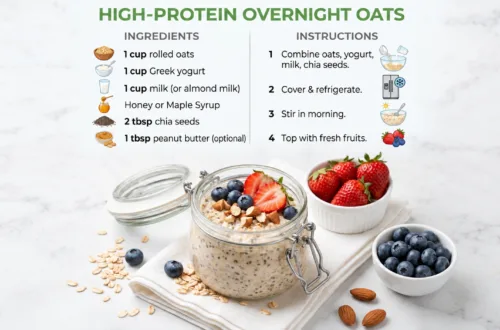
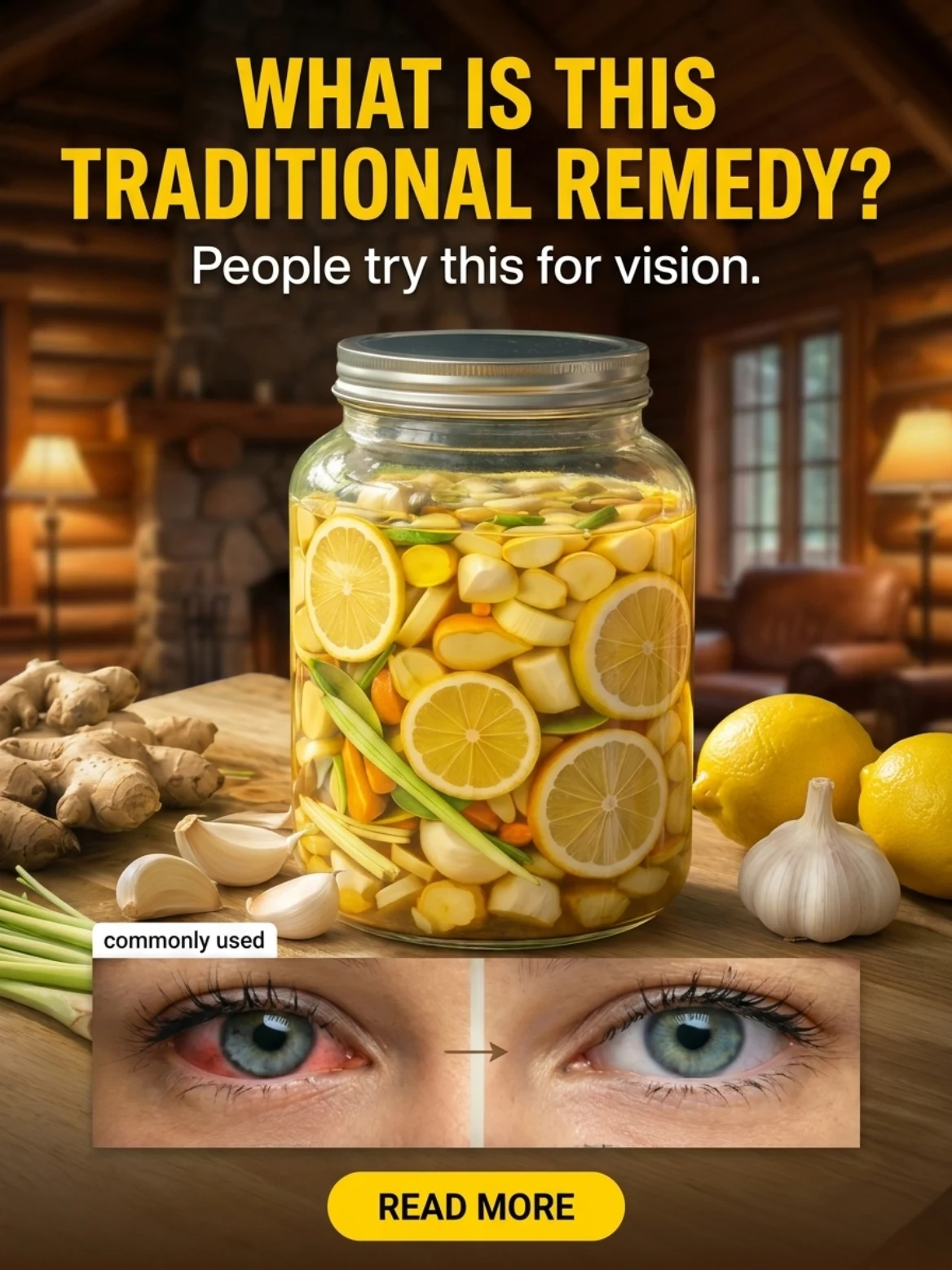
A jar of sliced lemon, garlic, ginger, and lemongrass steeped together is the kind of traditional remedy that immediately makes people curious.
It is usually presented as a natural tonic for vision, circulation, and overall wellness. The appeal is easy to understand. These ingredients are common, aromatic, and strongly associated with cleansing or strengthening remedies in many home traditions. But there is one important truth to keep in mind: there is no strong clinical evidence that this mixture can restore eyesight or reverse common vision problems on its own. The National Eye Institute emphasizes proven eye-health habits such as regular dilated eye exams, healthy eating, and condition-specific treatment when needed. For some eye diseases, only specific formulations such as AREDS/AREDS2 supplements have shown benefit, and even those are limited to certain cases of age-related macular degeneration. (nei.nih.gov)
That does not make the remedy useless. It simply means the smartest way to talk about it is as a warming wellness infusion, not a miracle cure for blurred vision, redness, or eye disease.
What This Traditional Remedy Is
This preparation is best described as a lemon, garlic, ginger, and lemongrass infusion.
Each ingredient brings something different:
- Lemon adds acidity, aroma, and vitamin C.
- Garlic contributes sulfur compounds linked to its long traditional health reputation.
- Ginger adds warmth and compounds studied for nausea and inflammation-related effects.
- Lemongrass brings a fresh herbal note and antioxidant-rich plant compounds. (NCCIH)
So while people may use it for vision support, it makes more sense to think of it as a general wellness remedy that may support hydration, digestion, and daily comfort.
Ingredients
A simple home version uses only the visible ingredients:
- 2 lemons, thinly sliced
- 1 whole garlic bulb, peeled into cloves
- 1 large thumb of fresh ginger, sliced thin
- 3 to 4 stalks lemongrass, trimmed and lightly crushed
- 3 to 4 cups warm water
Use a clean glass jar if you want to steep the ingredients together.
How to Prepare
Step 1: Prep the ingredients
Wash the lemons well and slice them thinly. Peel the garlic cloves. Slice the ginger. Lightly crush the lemongrass stalks so more flavor is released.
Step 2: Fill the jar
Layer the lemon slices, garlic, ginger, and lemongrass into a clean jar.
Step 3: Add water
Pour in warm water until everything is covered. The water should be hot enough to infuse, but not aggressively boiling if you want a fresher taste.
Step 4: Let it steep
Cover and let it sit for at least 4 to 6 hours, or overnight in the refrigerator for a stronger infusion.
Step 5: Strain and serve
Strain before drinking. Some people enjoy it slightly warm, while others prefer it chilled.
How to Use It and Best Time to Take It
This kind of remedy is best used gently.
A small glass in the morning or after a meal is usually enough. Because garlic and ginger are both strong, starting with a modest amount is a better idea than drinking large servings right away.
Quick relief timeline
If it helps at all, the first effects are usually related to warmth, digestion, and general refreshment within the same day. It is not realistic to expect a fast change in eyesight, especially if the issue is caused by dry eye, allergy, infection, refractive error, cataracts, or retinal disease. Those need proper evaluation and targeted care.
Why People Believe It Works
This remedy stays popular because the ingredients each have a strong wellness reputation.
Garlic
Garlic has a long history of use for health purposes, and when garlic is crushed, alliin can be converted into allicin-related sulfur compounds, which are often discussed in garlic research and traditional use.
Ginger
NCCIH notes that ginger has been studied for several health purposes, especially nausea, and it remains one of the most widely used traditional roots for digestive comfort and warming support.
Lemongrass
Lemongrass contains flavonoids and other bioactive compounds that researchers continue to study for antioxidant properties.
Lemon
Lemon contributes acidity and vitamin C, which fits into the broader picture of a nutrient-rich diet, even though lemon water itself is not a proven eye treatment. The National Eye Institute’s eye-health guidance focuses on overall healthy eating patterns rather than single home remedies.
Who May Benefit Most
This infusion may be most appealing for people who:
- enjoy traditional kitchen remedies
- want a warming wellness drink
- prefer simple, food-based routines
- are looking for something supportive rather than medicinal
It may suit people seeking a daily ritual more than those expecting a dramatic vision change.
Safety Notes and Simple Adjustments
This part matters most.
Garlic and ginger can both irritate sensitive stomachs, and NCCIH notes that herbs and botanicals can cause side effects or interact with medications. Garlic may be a concern for people taking blood thinners, and ginger may also need caution in larger medicinal amounts.
A few simple tips:
- Use less garlic if the flavor feels too aggressive.
- Reduce ginger if you are prone to reflux.
- Do not use this remedy as a substitute for eye drops, glasses, or prescribed treatment.
- Seek urgent medical care for sudden vision loss, eye pain, flashes, floaters, or severe redness. The National Eye Institute stresses that many eye diseases can progress without obvious warning signs.
Final Takeaway
This lemon, garlic, ginger, and lemongrass traditional remedy is best understood as a flavorful herbal-style infusion for general wellness, not a proven cure for vision problems.
It may help you feel refreshed, hydrated, and warmed from the inside, which is probably why it has stayed popular for so long. But when the goal is true eye health, the strongest path is still a healthy diet, regular eye exams, and treatment based on the real cause of the problem.