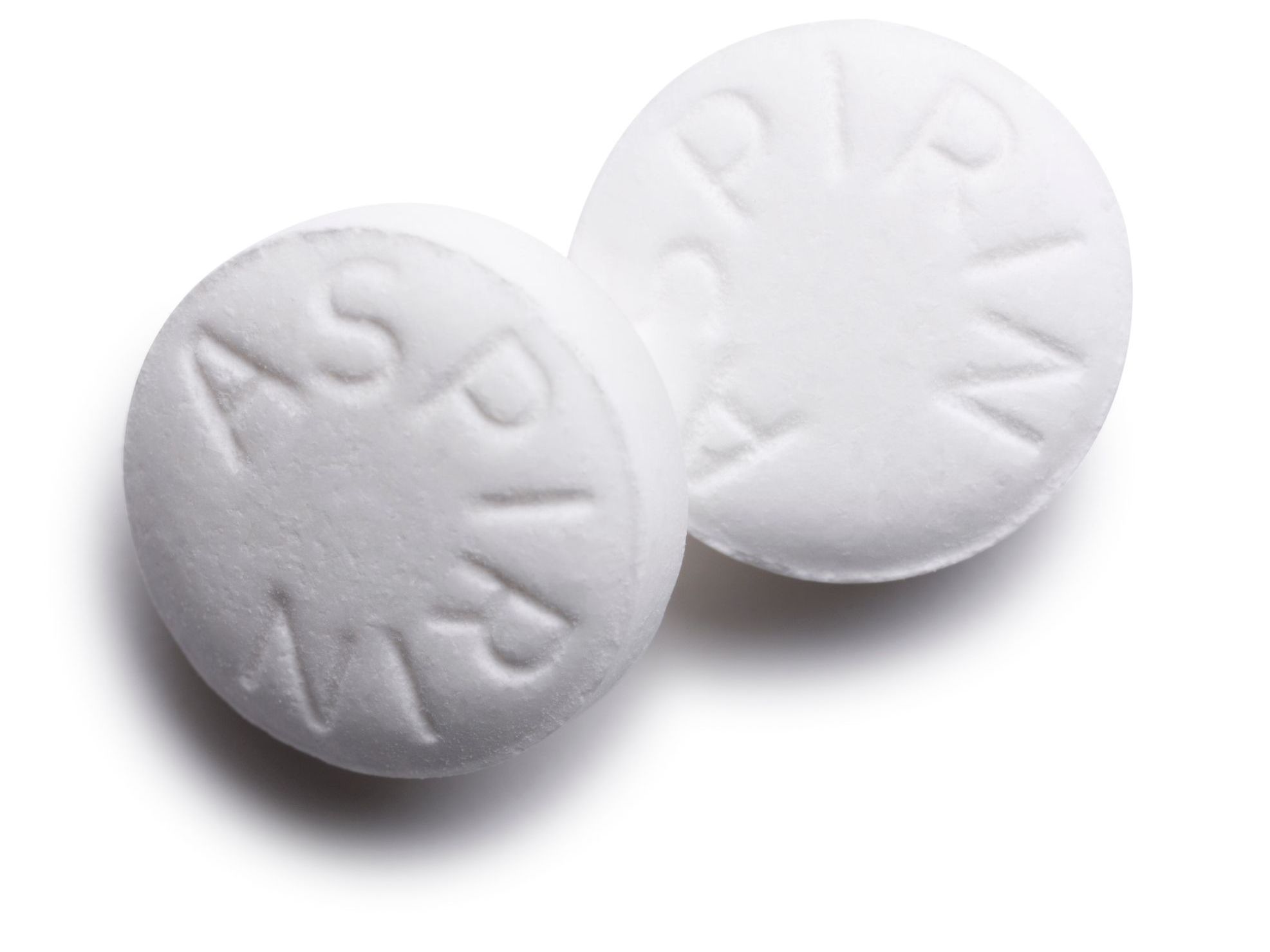
Aspirin mixed with Vaseline has become one of those skincare hacks that keeps coming back online.
Some people use it for:
- fine lines
- rough texture
- dull skin
- age spots
- dry patches
The claim sounds simple:
crush aspirin, mix with Vaseline, leave overnight, wake up with smoother skin.
It’s obviously not a miracle cure for aging. But surprisingly, parts of the idea do connect with real skincare science — especially exfoliation and moisture sealing.
Here’s what’s actually happening.
Why People Use Aspirin on Skin
Aspirin contains acetylsalicylic acid, which is chemically related to salicylic acid — a common ingredient used in:
- acne products
- exfoliating cleansers
- pore treatments
- texture-refining serums
Salicylic acid belongs to a group called BHAs (beta hydroxy acids).
These ingredients help:
- loosen dead skin buildup
- smooth rough texture
- improve surface brightness
- make skin feel softer
That’s one reason some people notice their skin looking fresher after using aspirin-based DIY masks.
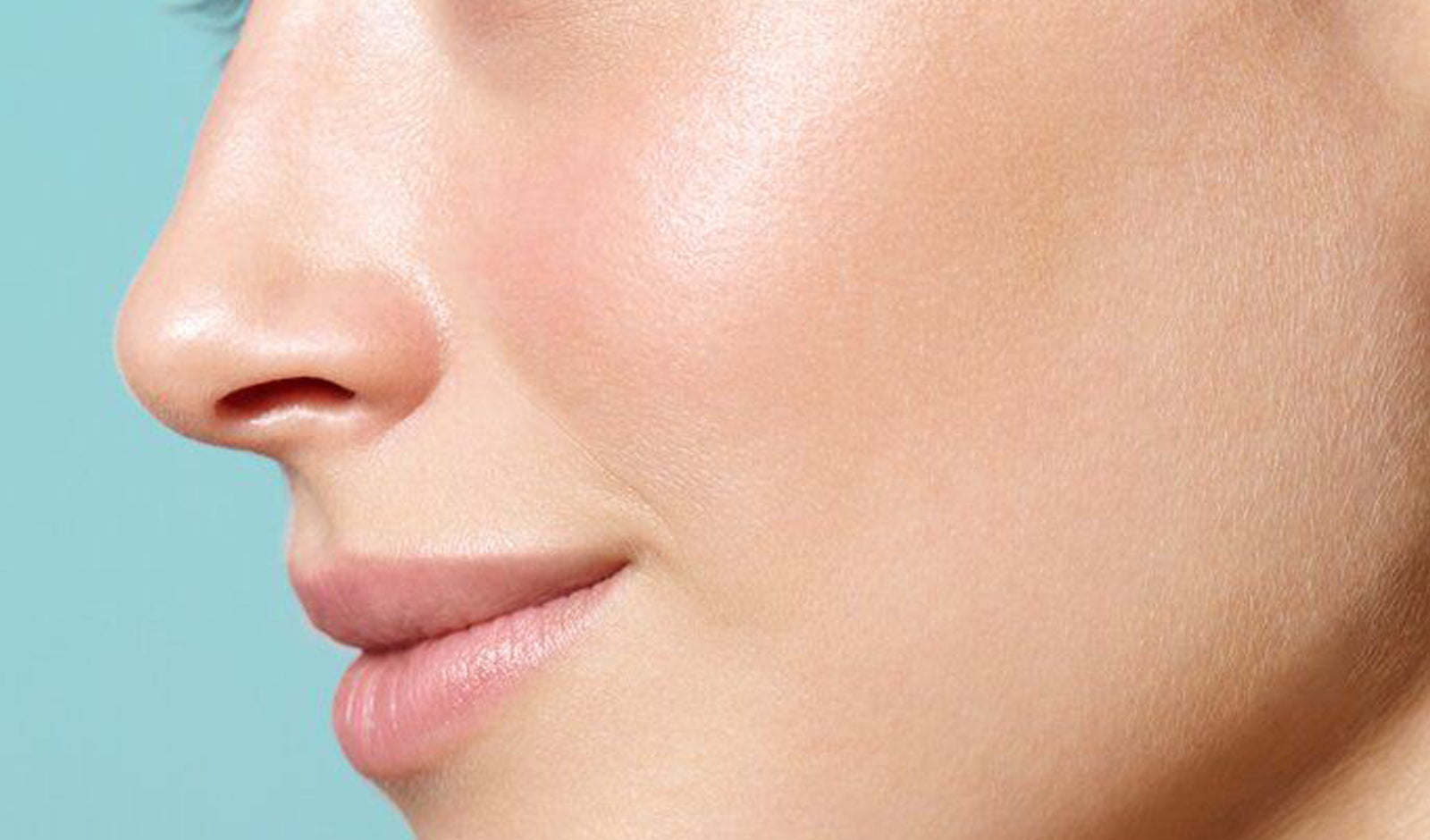
Exfoliated skin also reflects light better, which can temporarily make:
- wrinkles look softer
- pores look smaller
- dark spots appear lighter
Why Vaseline Is Added
Vaseline works differently.
It doesn’t exfoliate. Instead, it acts as an occlusive moisturizer, meaning it seals water into the skin.
When skin stays hydrated overnight, it often appears:
- smoother
- plumper
- less flaky
- more radiant
This is why “slugging” became popular in skincare routines.
The Vaseline layer may also help keep the aspirin mixture sitting on the skin longer, which is part of why people feel the effects more strongly overnight.
The Viral Aspirin + Vaseline Recipe
Ingredients
- 2–3 uncoated aspirin tablets
- 1 teaspoon Vaseline
Optional additions:
- 1 capsule vitamin E
- 2 drops rosehip oil
- aloe vera gel
How to Make It
- Crush the aspirin tablets into a fine powder.
- Add the powder to Vaseline.
- Mix until smooth and evenly blended.
- Store in a small clean container.
Fresh batches usually work better than storing large amounts.
How to Use It
- Wash your face gently.
- Pat skin dry.
- Apply a very thin layer to:
- forehead
- smile lines
- neck
- dark spots
- rough areas
Leave overnight and rinse in the morning.
Start slowly:
- 1–2 times weekly
Using it too often may cause dryness or irritation.
What Results Can You Realistically Expect?
Some people notice:
- smoother texture
- temporary glow
- softer appearance
- less flaky skin
But it’s important to stay realistic.
This mixture will not:
- erase deep wrinkles
- permanently remove age spots
- replace dermatologist treatments
Most visible improvements come from:
- hydration
- mild exfoliation
- smoother surface texture
Better Alternatives That Are More Stable and Research-Backed
If you like the idea behind this hack but want something more reliable, skincare experts usually recommend:
Retinol
Helps support collagen and smooth fine lines over time.
Salicylic Acid Serums
More controlled and safer than crushed aspirin.
Niacinamide
Popular for:
- uneven tone
- redness
- barrier repair
- texture support
Hyaluronic Acid
Improves hydration and helps skin look fuller temporarily.
SPF
The most important anti-aging product overall.
Without sunscreen, dark spots and wrinkles continue forming regardless of overnight treatments.
Important Safety Notes
Do not use this recipe if you:
- are allergic to aspirin
- have eczema flare-ups
- have broken skin
- react strongly to acids
- have very sensitive skin
Also avoid thick heavy layers. Too much Vaseline may clog pores for acne-prone skin.
Patch testing first is always safer.
Final Thought
The aspirin + Vaseline trend is probably not the miracle anti-aging secret social media makes it sound like.
But the reason people keep trying it is understandable:
- exfoliation can brighten skin
- moisture can soften fine lines
- smoother texture creates a healthier appearance
That combination alone can make skin look temporarily refreshed.
For longer-term improvement, though, consistent skincare habits usually matter much more than viral overnight hacks:
- sunscreen
- gentle exfoliation
- retinoids
- hydration
- sleep
- nutrition
Those are still the real foundations of healthy-looking skin.
Sources
- American Academy of Dermatology (AAD)
- Cleveland Clinic
- Mayo Clinic
- NIH dermatology references on salicylic acid and occlusive skincare