Some fruits get attention because they are sweet. Others stand out because they look unusual. But a few deserve attention because they quietly do both.
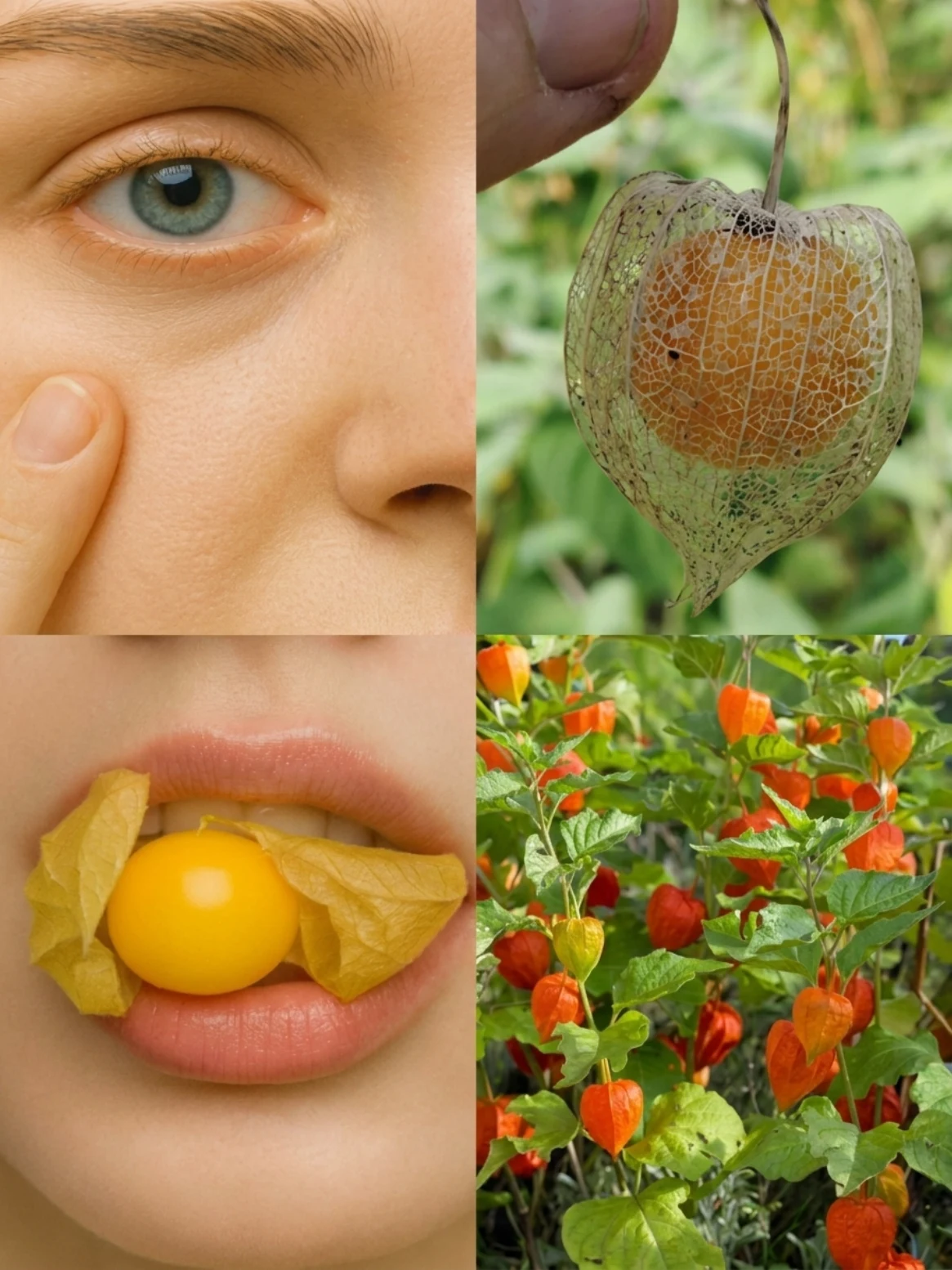
Goldenberry, often called cape gooseberry or Physalis, is one of those fruits. With its papery lantern-like husk and bright golden color, it looks decorative at first. But inside that delicate wrapper is a tart, nutrient-dense fruit that has long been appreciated in traditional food use and is now getting more attention for its eye-supportive nutrients, antioxidant content, and skin-friendly benefits.
Most people overlook it because it is small and unfamiliar. That is exactly why it feels so underrated.
What Is Goldenberry?
Goldenberry is a small orange-yellow fruit that grows inside a thin papery husk. It belongs to the Physalis group, which includes a few similar-looking species, but the golden edible fruit commonly used in food and wellness is most often associated with cape gooseberry.
Its flavor is lightly sweet, slightly tart, and refreshing. Some people compare it to a mix of tomato, pineapple, and citrus.
What makes it especially interesting is not just the taste. It is the fact that this little fruit naturally contains carotenoids, vitamin C, and plant antioxidants that fit beautifully into an eye-friendly diet.
Why People Link Goldenberry With Eye Health
If a fruit is bright yellow-orange, there is usually a reason.
That rich color often points to carotenoids, the plant pigments linked with antioxidant activity and visual wellness. Goldenberries are commonly valued for nutrients that help support the eyes against everyday oxidative stress.
Carotenoids support visual health
Orange and yellow fruits often contain compounds such as beta-carotene and other carotenoids, which the body uses in ways connected to normal vision and eye tissue support.
Vitamin C helps protect delicate tissues
Goldenberries also provide vitamin C, an antioxidant nutrient that helps protect cells from oxidative stress. Since the eyes are exposed to light and environmental strain every day, antioxidant-rich foods can play a useful role in a broader eye-supportive eating pattern.
Polyphenols add extra antioxidant value
Like many colorful fruits, goldenberries also contain polyphenols and other bioactive compounds that may support overall wellness, including inflammation balance and cellular protection.
That does not mean goldenberries are a cure for blurry vision or eye disease. It means they are a smart food to include in a diet built around eye-friendly nutrients.
Other Benefits of Goldenberry
Eye health may be the first reason people get curious about this fruit, but it is not the only one.
It may support skin health
The same antioxidants that help protect the eyes also support the skin. Vitamin C is especially important for collagen support and general skin repair.
It can fit a lighter snack routine
Goldenberries are naturally bright and flavorful, so they can be a useful swap for heavily processed sweet snacks.
It adds variety to a nutrient-rich diet
One of the easiest ways to improve nutrition is to eat more variety. Goldenberry gives you something different from the usual apple-banana-berry routine.
How to Eat Goldenberry
This is one of the easiest parts.
Eat it fresh
Remove the papery husk and eat the ripe fruit as it is. The husk is not the part you eat.
Add it to fruit bowls
Goldenberries work well with kiwi, berries, papaya, pineapple, and citrus.
Use it in yogurt or oatmeal
Its tart flavor helps cut through creamy foods nicely.
Blend it into smoothies
A few goldenberries can brighten the taste of a smoothie without making it too sweet.
Pair it with nuts or seeds
This gives you a more balanced snack with fiber, healthy fats, and a slower energy release.
How to Build an Eye-Friendly Plate With Goldenberry
Goldenberry works best when it is part of a bigger picture.
For eye health, pair it with foods that also support vision, such as:
- leafy greens
- orange vegetables
- eggs
- avocado
- nuts and seeds
- oily fish
That combination gives you a better mix of antioxidants, healthy fats, and fat-soluble nutrients. Since carotenoids are absorbed better with some dietary fat, eating goldenberries alongside foods like avocado, yogurt, or nuts can make the meal more useful nutritionally.
When You Might Notice Benefits
This is where realistic expectations matter.
A fruit does not improve eyesight overnight. What goldenberry can do is help strengthen the overall nutrition pattern that supports the eyes over time.
Short-term
Within days, you may simply enjoy better snack quality, more fruit variety, and a fresher diet.
Medium-term
Over a few weeks, eating more antioxidant-rich foods may help you feel more consistent with healthy habits.
Long-term
The real benefit comes from regular intake as part of a balanced eating pattern, not from eating one fruit once in a while.
So the honest answer is simple: goldenberry supports the system, not the shortcut.
Who May Benefit Most
Goldenberry may be especially useful for people who:
- want more eye-friendly fruits
- do not eat enough colorful produce
- want a lighter, less processed snack
- are trying to improve antioxidant intake
- want more variety in a healthy diet
It is especially appealing for people who enjoy functional foods that feel easy to use in everyday meals.
Safety Notes
A few simple precautions matter.
Only eat the ripe fruit, not the papery husk or other plant parts.
If you have never tried goldenberry before, start with a small amount in case your digestion is sensitive to tart fruits.
People with medical eye conditions, sudden vision changes, eye pain, flashes, or worsening blurry vision should not rely on fruit alone. Those symptoms need proper medical care.
Goldenberries are best viewed as a supportive food, not a replacement for treatment.
Final Takeaway
Goldenberry is one of those small fruits that deserves much more attention than it gets. Its bright color, tart flavor, and naturally occurring carotenoids, vitamin C, and antioxidants make it a smart addition to an eye-friendly diet.
It will not magically restore vision, but it can absolutely support the kind of daily nutrition that helps protect your eyes over time.
Sometimes the best wellness foods are not the most famous ones. They are the quiet, colorful fruits hiding inside a delicate little husk.
Related Source Science
Goldenberry is commonly valued for its carotenoids, vitamin C, and antioxidant plant compounds, which help explain why it is often linked with eye and skin wellness. In practical terms, its biggest value is as part of a consistent diet rich in colorful produce, healthy fats, and other nutrients that support normal vision and overall cellular protection.