Some herbs do not look impressive at first.
They grow by roadsides, in empty lots, and along field edges, so most people pass them without a second thought. But prickly chaff flower, better known as Achyranthes aspera, has a surprisingly long history in traditional medicine. It is a tropical herb with opposite leaves and a long spike-like flower head, and traditional references describe it as a plant used for a wide range of concerns, including dropsy, urinary problems, and stones.
That is probably why the root keeps showing up in dried herbal bundles and home decoctions.
The appeal is easy to understand. This is the kind of remedy people turn to when they want something earthy, old-fashioned, and simple. In traditional systems, Achyranthes aspera is often linked with diuretic action, which is one reason it gets associated with the kidneys, bladder, and urinary flow. At the same time, the strongest support is still mostly traditional and preclinical, not the kind of modern evidence that would make it a proven treatment for kidney disease or urinary tract infection.
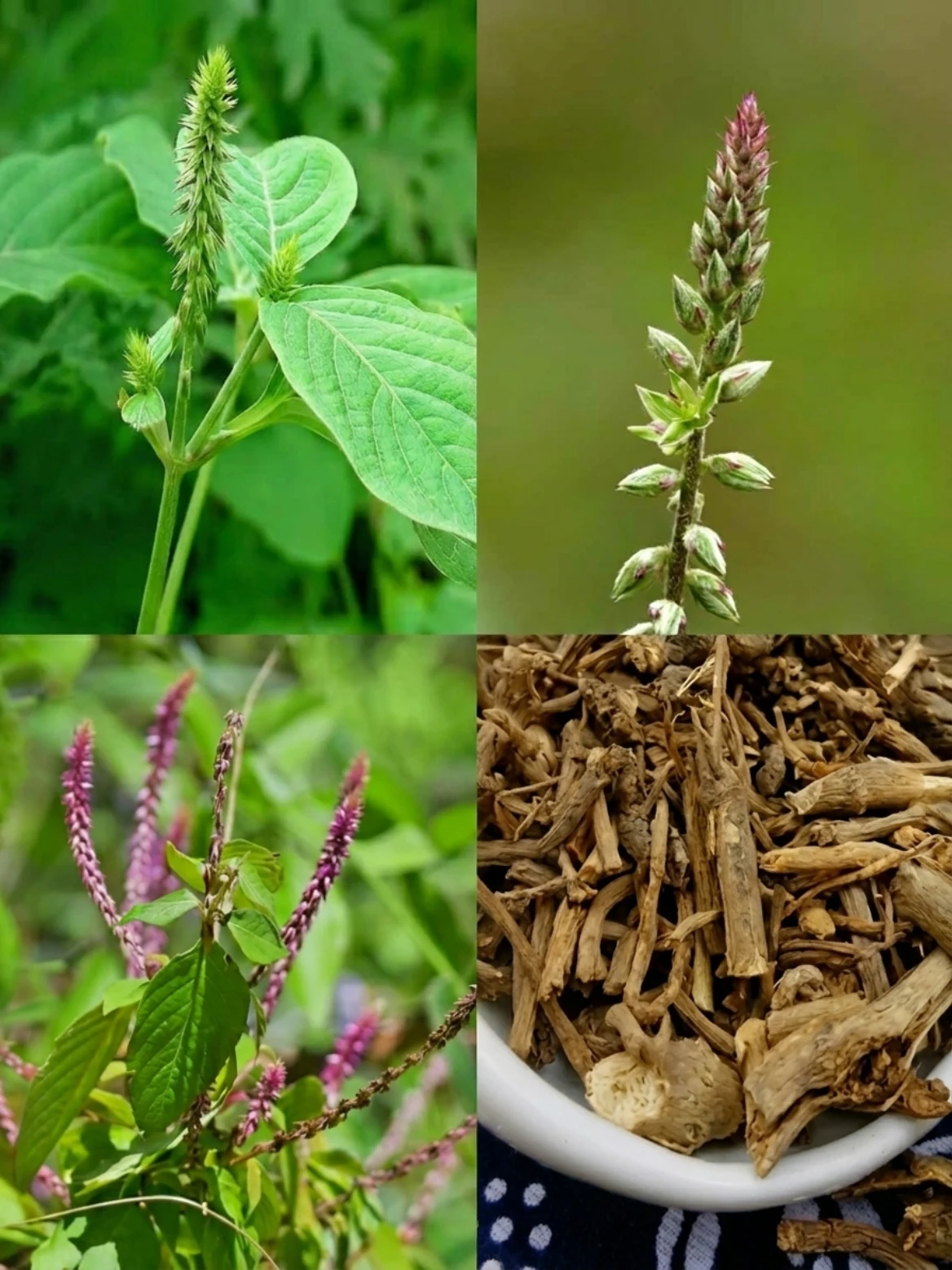
What Prickly Chaff Flower Is Traditionally Used For
In traditional use, Achyranthes aspera is often connected with:
- urinary discomfort
- fluid retention
- urinary stones or bladder stone support
- general body “flushing”
- inflammation-related complaints
Older botanical sources note its folk use in dropsy, while more recent herbal reviews describe the plant as having reported diuretic and anti-inflammatory activity. Springer’s reference on the species also notes traditional use of the whole plant ash in urinary bladder stones.
That does not mean a cup of root tea can cure urinary disease. It means the plant has a long-standing reputation for supporting urine flow and urinary comfort, which is a much more realistic way to talk about it.
Ingredients
For a simple traditional-style prickly chaff flower root tea, you will need:
- 1 to 2 teaspoons dried Achyranthes aspera root
- 2 to 3 cups water
Because roots are tougher than leaves, this kind of remedy is usually made as a decoction, not just a quick steep.
How to Prepare It
This remedy is straightforward, which is part of why it has lasted.
Step 1: Rinse the dried root
If the root looks dusty, give it a quick rinse and pat it dry.
Step 2: Add to water
Place the dried root pieces in a small pot with 2 to 3 cups of water.
Step 3: Simmer gently
Bring it to a light boil, then lower the heat and let it simmer for about 15 to 20 minutes.
Step 4: Let it rest
Turn off the heat and leave it for another 5 minutes.
Step 5: Strain and drink warm
Strain into a cup and sip while warm.
The flavor is usually earthy and a little bitter, which is common for herbs used in urinary and cleansing traditions.
How People Traditionally Use It
This is not the kind of tea people usually sip all day long.
More often, it is used:
- in small amounts
- for short periods
- when someone wants a traditional diuretic herbal tea
- as part of a broader routine, not as a stand-alone fix
Quick relief timeline
If the tea suits you, the first thing you may notice is fairly simple: slightly increased urination or a lighter, less heavy feeling within the same day or over a few days. That is the most believable kind of effect for a herb with a traditional diuretic reputation. It is not realistic to expect a homemade root tea to quickly solve severe urinary pain, kidney stones, or infection symptoms.
Why This Herb Keeps Getting Attention
Part of the reason is tradition.
Part of it is chemistry.
Reviews on Achyranthes aspera describe a plant rich in saponins, alkaloids, flavonoids, tannins, terpenoids, and glycosides, which helps explain why it has attracted so much pharmacological interest. Modern papers continue to describe reported activities such as diuretic, anti-inflammatory, and broader therapeutic potential.
That does not automatically make it powerful in the kitchen-pot form people use at home. But it does explain why this little roadside herb has stayed relevant in traditional medicine.
Who Might Be Most Interested in This Tea
This kind of remedy may appeal to people who:
- like traditional root decoctions
- want a simple urinary support herb
- prefer old-fashioned plant remedies over commercial blends
- are interested in Ayurveda or folk medicine traditions around Apamarga, another name for Achyranthes aspera
It especially makes sense for people who appreciate herbs as gentle support tools, not miracle cures.
Safety Notes
This part matters.
Traditional use does not automatically mean unlimited safety. The available sources describe many medicinal uses, but they do not prove that self-treating urinary symptoms with this herb is enough when symptoms are severe. If there is burning urination, fever, back pain, vomiting, blood in the urine, or persistent symptoms, proper medical care is more important than tea.
A few simple precautions:
- use only correctly identified Achyranthes aspera
- start with a small amount
- avoid frequent use without guidance if you take medications or have kidney disease
- be cautious during pregnancy or breastfeeding
Final Thoughts
Prickly chaff flower root tea is one of those remedies that makes more sense once you stop expecting it to be dramatic. It has a real place in traditional medicine, especially for urinary support, diuretic use, and bladder-related folk remedies.
The most useful way to think about it is simple: this is a traditional support herb, not a guaranteed cure. And honestly, that is often the difference between herbal advice that sounds good online and herbal advice that actually feels trustworthy.