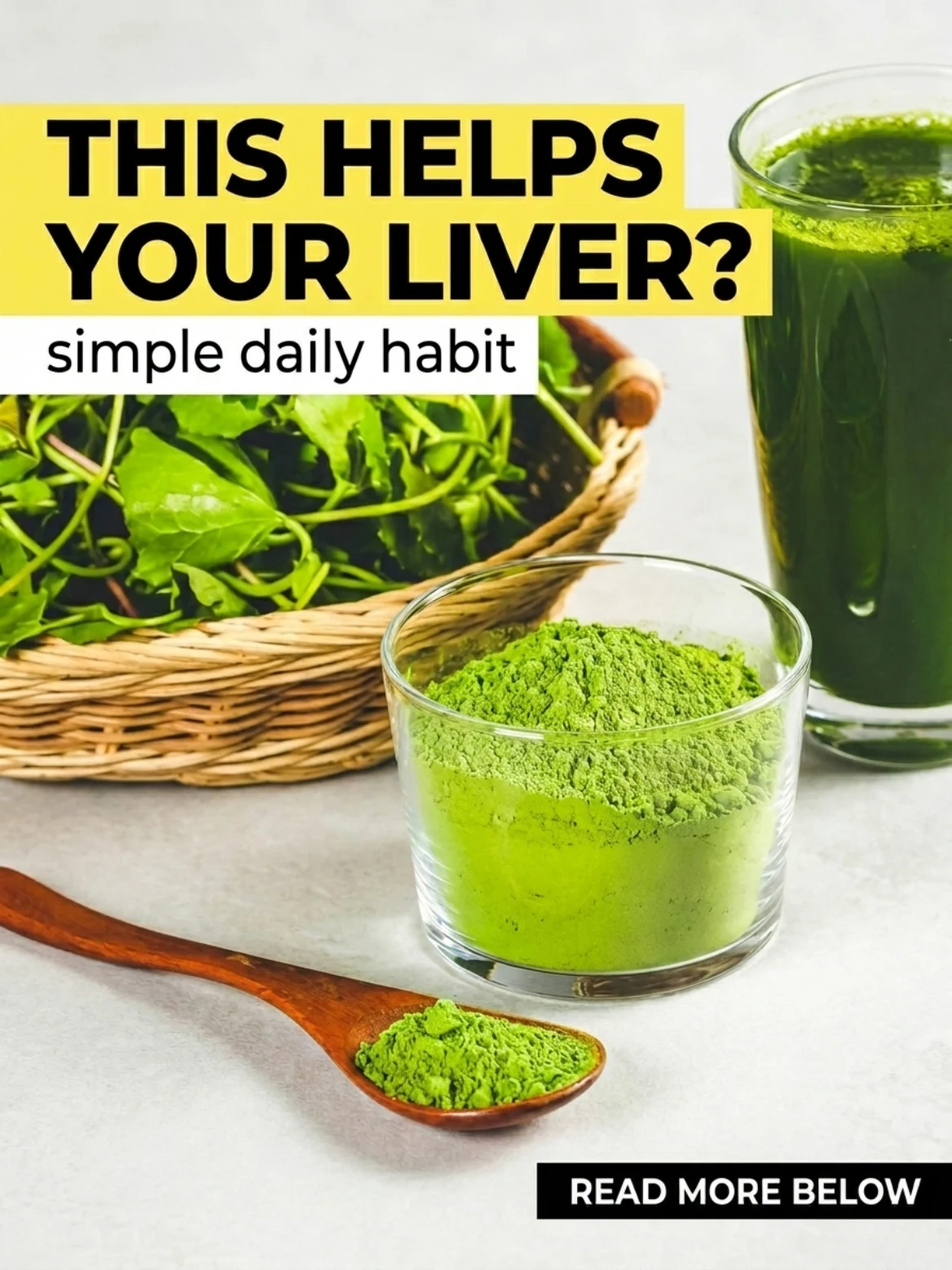
Gotu kola, also called rau má or Centella asiatica, is the fresh green herb shown in the image. In many Asian households, it is used as a cooling drink, a blended juice, or a light herbal beverage for body balance.
The image says, “This helps your liver?” That is a strong claim, so let’s make it clear: gotu kola is not a liver cure, but it may support the body through hydration, antioxidants, and plant compounds that are being studied for liver-protective effects.
Most people think liver support means harsh detox drinks. In reality, the liver works every day on its own. What helps most is a gentle routine that reduces stress on the body, supports digestion, and adds nutrient-rich greens.
What Gotu Kola Is Traditionally Used For
Gotu kola has been used traditionally in Asian herbal practices for cooling the body, supporting skin repair, calming the mind, improving circulation, and helping the body feel lighter during heat, fatigue, or heaviness.
In food culture, rau má is commonly enjoyed as a fresh green drink. It has a grassy, slightly bitter taste and is often used when people feel hot, tired, bloated, or sluggish.
Traditional uses include:
- Supporting a cooling feeling in the body.
- Helping with mild internal heat.
- Supporting skin comfort and wound-healing traditions.
- Promoting calmness and mental clarity.
- Supporting circulation and swelling-related discomfort.
- Providing a light green drink after heavy meals.
For liver wellness, people usually drink gotu kola because it feels refreshing and pairs well with a cleaner daily routine. It should not be used to treat hepatitis, fatty liver disease, cirrhosis, high liver enzymes, or medication-related liver injury without medical guidance.
Why People Still Care About This Plant
People still care about gotu kola because it is more than a trendy green powder. It contains natural compounds such as asiaticoside, madecassoside, asiatic acid, and madecassic acid. These compounds are triterpenes that researchers often connect with antioxidant, anti-inflammatory, skin-repair, and tissue-supporting effects.
When it comes to liver support, the most interesting area is antioxidant defense. Oxidative stress can place pressure on liver cells, especially when diet, alcohol, medication load, poor sleep, or inflammation are involved.
Animal studies have explored Centella asiatica extracts for liver-protective effects in models of acute liver injury, including acetaminophen-related and inflammation-related liver damage. These studies are promising, but they are not the same as proof that a homemade gotu kola drink treats liver disease in humans.
That is why gotu kola is best viewed as a gentle wellness habit, not a medical treatment.
Traditional Preparation Style
Fresh gotu kola is usually prepared as a juice or blended drink. The goal is to keep it fresh, mild, and easy to digest.
Ingredients
- 1 packed cup fresh gotu kola leaves and tender stems.
- 1 cup cold filtered water.
- 1 to 2 teaspoons honey, optional.
- 1 teaspoon fresh lime juice, optional.
- A few ice cubes, optional.
You can also use gotu kola powder, like the image shows. For powder, use:
- 1/2 teaspoon gotu kola powder.
- 1 cup water or coconut water.
- Honey or lime, optional.
Instructions
- Wash the fresh gotu kola very well to remove soil and grit.
- Soak it in clean water for 5 minutes, then rinse again.
- Add the leaves and tender stems to a blender.
- Pour in 1 cup of cold water.
- Blend for 30 to 45 seconds until smooth.
- Strain if you prefer a lighter drink.
- Add honey or lime if the taste feels too grassy.
- Drink fresh within the same day.
For powder, stir 1/2 teaspoon into water until smooth. Let it sit for 2 minutes, then stir again before drinking.
How It Is Usually Use
Gotu kola drink is usually taken in small amounts, not as a large “detox cleanse.”
A gentle routine may look like this:
- Drink 1 small glass, about 150 to 200 ml.
- Take it in the morning or early afternoon.
- Use it 2 to 4 times per week.
- Take it with food if your stomach is sensitive.
Some people like it after a heavy meal because it feels cooling and refreshing. Others use it in the morning as a green drink instead of sugary beverages.
You may feel refreshed the same day because of hydration and the cooling nature of the drink. For general wellness, digestion, and skin balance, give it 2 to 4 weeks of consistent healthy eating before expecting noticeable changes.
Gotu kola works best when combined with simple liver-friendly habits:
- Eat more vegetables and fiber.
- Drink enough water.
- Reduce alcohol.
- Sleep consistently.
- Avoid very high-sugar drinks.
- Do not overuse pain relievers unless prescribed.
Safety Notes
Gotu kola is commonly used as food in many places, but concentrated extracts and long-term high doses need caution.
LiverTox notes that Centella asiatica is generally regarded as safe, but it has been linked to rare cases of clinically apparent acute liver injury with jaundice.
Avoid gotu kola or speak with a healthcare professional first if you:
- Are pregnant or breastfeeding.
- Have liver disease or high liver enzymes.
- Take sedatives, anxiety medication, diabetes medication, or liver-processed medication.
- Are preparing for surgery.
- Have a history of herb-related liver reactions.
- Plan to use capsules, extracts, or strong powders daily.
Do not use gotu kola as a replacement for medical treatment. If you have yellow eyes, dark urine, severe fatigue, right-side abdominal pain, nausea, unexplained itching, or abnormal liver tests, seek medical care.
Final Thoughts
Gotu kola, or rau má, is a refreshing green herb with a long traditional history. It may support liver wellness indirectly through hydration, antioxidants, and gentle plant compounds, but it is not a liver cure or a detox shortcut.
The best way to use it is simple: keep the serving small, prepare it cleanly, drink it fresh, and pair it with better daily habits.
Related Source Science
Centella asiatica contains triterpenes such as asiaticoside, madecassoside, asiatic acid, and madecassic acid, which are studied for antioxidant and anti-inflammatory activity. Preclinical research has explored Centella asiatica extracts for hepatoprotective effects in animal models of liver injury, including acetaminophen-induced injury and LPS/D-galactosamine-induced acute liver injury. Safety references also warn that rare liver injury has been reported, especially with supplement-style use, so people with liver conditions should be cautious.