Nasturtiums, with their vibrant, cheerful blooms and distinctive peppery flavor, are much more than just a pretty face in the garden. This incredible plant offers a bounty of culinary delights and has been cherished for centuries for its unique properties. Join us as we explore the fascinating world of nasturtiums, from their traditional uses to modern-day applications, and learn how you can incorporate this versatile plant into your own life.
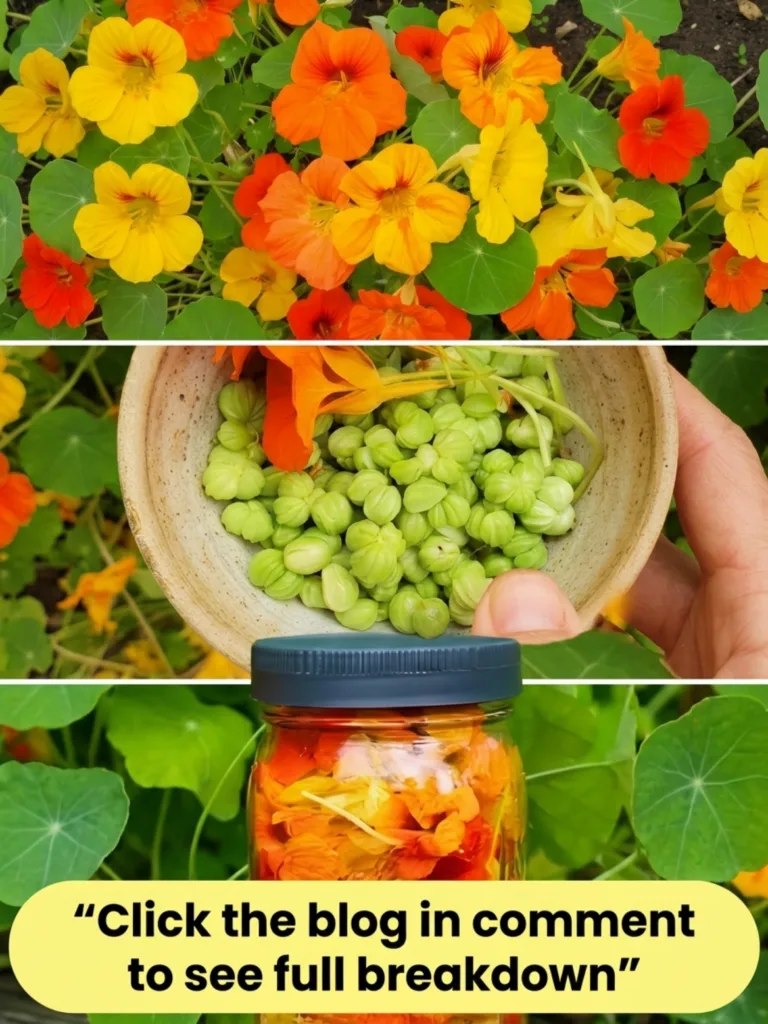 From vibrant blooms to preserved delights, nasturtiums offer beauty and flavor at every stage.
What “Plant” Is Traditionally Used For
Nasturtiums (Tropaeolum majus), native to the Andes Mountains in South America, have a rich history of use, particularly in the culinary arts. Traditionally, indigenous cultures used various parts of the plant – the leaves, flowers, and immature seed pods – for their distinct peppery, slightly mustard-like flavor. The leaves and flowers were often added fresh to salads, lending a zesty kick and bright color. The young seed pods, known for their pungent taste, were historically gathered and pickled, serving as a substitute for capers, a practice that continues to this day.
Beyond the kitchen, nasturtiums also held a place in traditional folk medicine. They were recognized for their high vitamin C content and were sometimes used to help combat scurvy. Their compounds were also thought to possess antiseptic and antibiotic properties, leading to their traditional application in treating minor wounds, colds, and sore throats. However, it’s important to note that many of these traditional medicinal claims lack robust modern scientific backing.
Why People Still Care About This Plant
Today, nasturtiums continue to captivate gardeners and gourmands alike, and for good reason. Their ease of cultivation makes them a favorite in home gardens, thriving in various conditions and even acting as a natural pest deterrent for some other plants. But their enduring popularity truly lies in their versatility and unique flavor profile.
- Culinary Delight: The spicy, peppery taste of nasturtium leaves and flowers adds an exciting dimension to everyday dishes. They elevate a simple salad, make a vibrant garnish, and can even be blended into a unique pesto.
- Nutritional Value: Nasturtiums are packed with nutrients, including significant amounts of Vitamin C, iron, and various antioxidants. They offer a healthful boost to any meal.
- Aesthetic Appeal: The brilliant yellow, orange, and red flowers provide stunning visual interest in gardens and on plates, making them a dual-purpose plant for beauty and sustenance.
- Garden Benefits: As companion plants, nasturtiums can draw aphids away from other vegetables, and their fast growth can act as a living mulch.
Traditional Preparation Style
One of the most cherished traditional preparations of nasturtiums involves transforming their young seed pods into a gourmet condiment. These are often referred to as “nasturtium capers.” This method not only preserves the distinct flavor but also creates a versatile ingredient for a wide range of dishes.
Ingredients
- 1 cup young, firm nasturtium seed pods
- 1 cup white wine vinegar or apple cider vinegar
- 1/2 cup water
- 1 teaspoon sea salt
- Optional: a few peppercorns, a sprig of dill, or a bay leaf for added flavor
Instructions
- Harvesting: Gather nasturtium seed pods when they are still young, green, and firm. Avoid any that are yellowing or soft. Gently rinse them under cool water and pat dry.
- Sterilize Jars: Sterilize a small glass jar (or jars) and its lid by washing them in hot, soapy water, rinsing thoroughly, and then boiling them for 10 minutes or running them through a dishwasher’s sanitizing cycle. Let them air dry completely.
- Prepare Brine: In a small saucepan, combine the vinegar, water, and salt. Bring to a boil, stirring until the salt dissolves. If using optional spices, add them to the brine now.
- Pack Pods: Carefully pack the nasturtium seed pods into the sterilized jar(s).
- Pour Brine: Pour the hot brine over the seed pods, ensuring they are completely submerged. Tap the jar gently to release any air bubbles.
- Seal and Store: Seal the jar tightly with the lid. Allow it to cool to room temperature, then store in the refrigerator. The nasturtium capers will be ready to use in about 1-2 weeks, once the flavors have had time to meld. They can last for several months in the refrigerator.
How It Is Usually Use
Nasturtiums are incredibly versatile in the kitchen, offering both flavor and visual appeal. Here are some popular ways to use them:
- Fresh in Salads: The tender leaves and colorful flowers are a fantastic addition to any green salad, providing a peppery bite and vibrant color.
- Garnish: Use whole flowers or leaves as an elegant garnish for soups, main courses, or appetizers.
- Sandwiches and Wraps: Tuck fresh nasturtium leaves into sandwiches or wraps for an extra layer of flavor and crunch.
- Pesto: Substitute basil with nasturtium leaves (or combine them) to create a unique, spicy pesto for pasta, bruschetta, or grilled meats.
- Nasturtium Capers: The pickled seed pods are an excellent substitute for traditional capers. Use them in salads, pasta dishes, fish recipes, or as part of an antipasto platter.
- Infused Vinegar: Steep nasturtium flowers and leaves in white wine vinegar for a colorful and flavorful infused vinegar, perfect for salad dressings.
- Compound Butter: Finely chop nasturtium leaves and flowers and mix them into softened butter for a savory spread on bread or for finishing cooked vegetables.
Safety Notes
Nasturtiums are generally considered safe for consumption as a food item. However, like all edible plants, there are a few considerations:
- Moderation: While delicious, consuming very large quantities of nasturtiums might cause mild stomach upset in sensitive individuals due to their pungent compounds.
- Allergies: People with allergies to mustard, horseradish, or other members of the Brassica family might react to nasturtiums, as they contain similar compounds.
- Source: Always ensure that the nasturtiums you consume come from a clean, pesticide-free source. If foraging, be absolutely certain of identification.
- Pregnancy and Breastfeeding: As with many herbal remedies, if you are pregnant or breastfeeding, it’s always best to consult with a healthcare professional before making nasturtiums a significant part of your diet, especially for any perceived medicinal benefits.
Final Thoughts
Nasturtiums are a true gem, offering a delightful blend of beauty, flavor, and versatility. Whether you’re a seasoned gardener looking for a new culinary adventure or simply seeking to add a unique twist to your meals, nasturtiums provide an accessible and rewarding experience. From their fiery leaves to their vibrant blossoms and tangy seed pods, this remarkable plant encourages creativity in the kitchen and brings a touch of wild elegance to any dish. So, next time you spot these cheerful flowers, remember the culinary potential that awaits!
Related Source Science
Modern scientific research confirms several nutritional aspects of nasturtiums. They are particularly rich in:
- Vitamin C: Known for its immune-boosting and antioxidant properties. Studies have shown nasturtiums to contain significant levels of this essential vitamin.
- Antioxidants: Nasturtiums contain various antioxidants, including carotenoids (like lutein and zeaxanthin) which are beneficial for eye health, and flavonoids, which combat oxidative stress in the body.
- Glucosinolates: These sulfur-containing compounds are responsible for the characteristic pungent flavor of nasturtiums (and other cruciferous vegetables like broccoli and cabbage). Some research suggests glucosinolates and their breakdown products may have potential anti-inflammatory and anti-cancer properties, though more specific research on nasturtiums in this context is ongoing.
- Iron: They provide a decent amount of dietary iron, important for oxygen transport in the blood.
While traditional medicinal uses often highlight antibacterial or antiseptic qualities, scientific validation for these claims, especially in human clinical trials, is still limited. Most modern health focus is on their rich nutritional profile as a valuable edible plant.