Known by many names such as Jimsonweed, Thorn Apple, or Devil’s Trumpet, Datura is a plant steeped in mystery, folklore, and a potent, often perilous, history. While its beautiful, trumpet-shaped flowers might allure, its true nature lies in its powerful compounds and the double-edged sword of its traditional uses versus its inherent toxicity. This article delves into the fascinating world of Datura, exploring its historical significance, traditional preparations, and crucial safety considerations.
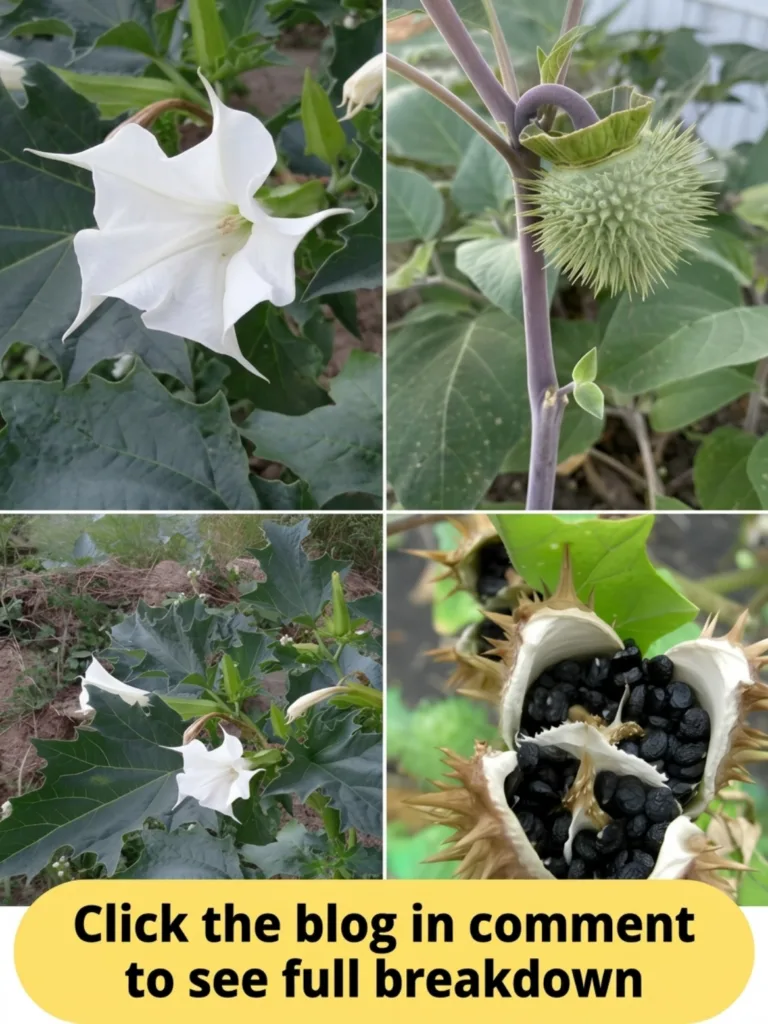 Datura’s captivating life cycle, from delicate blossoms to its distinctive, potent seed pods.
What “Plant” Is Traditionally Used For
Historically, Datura has played a significant, albeit often dangerous, role in various indigenous cultures across the Americas, Asia, and Africa. Its potent properties led to its use in a range of contexts, from spiritual rituals to medicinal applications. Traditionally, it was employed:
- In Vision Quests and Shamanic Ceremonies: Due to its strong hallucinogenic and deliriant effects, Datura was used by shamans and spiritual leaders to induce altered states of consciousness, facilitate divination, and connect with the spirit world. These uses were highly ritualized and controlled, often by experienced practitioners who understood the plant’s power.
- For Pain Relief: Topically, Datura was sometimes applied as a poultice or salve to alleviate severe pain, reduce inflammation, or aid in setting broken bones. Its anodyne properties were valued, but its internal use for pain was rare and extremely risky.
- As an Anesthetic or Sedative: In carefully controlled, often external, applications, it was sometimes used to induce a sedative effect or as a local anesthetic.
- For Respiratory Issues: In some traditions, dried Datura leaves were smoked in minuscule amounts to relieve asthma symptoms, though this practice was fraught with danger due to the difficulty in controlling dosage.
It is crucial to understand that these traditional uses were carried out with profound respect for the plant’s potency and often within sacred, supervised contexts, far removed from casual use.
Why People Still Care About This Plant
Despite its well-known toxicity, interest in Datura persists for several reasons:
- Ethnobotanical and Anthropological Interest: Researchers continue to study Datura’s historical role in various cultures, shedding light on ancient practices, belief systems, and the relationship between humans and their plant environment.
- Cultural Significance: The plant’s deep roots in folklore, mythology, and spiritual traditions maintain its relevance for understanding cultural heritage.
- Pharmacological Research: While the raw plant is dangerous, the isolated compounds within Datura (tropane alkaloids) are subjects of ongoing scientific study for potential modern medical applications, such as in anticholinergic drugs.
- Botanical Curiosity: Its unique appearance, from its striking flowers to its spiky fruit pods, makes it a subject of fascination for botanists and plant enthusiasts, admired from a safe distance.
However, this ongoing fascination must always be tempered with an awareness of its severe risks, especially outside of highly controlled scientific or traditional contexts.
Traditional Preparation Style
Traditional preparation of Datura varied widely depending on the culture, the intended use, and the specific plant parts utilized. It is paramount to reiterate that these methods were employed by trained traditional healers or shamans, acknowledging the plant’s extreme potency.
Ingredients
Traditional preparations typically involved various parts of the Datura plant:
- Leaves: Often dried and sometimes smoked or crushed for topical applications.
- Seeds: Highly potent, often ground into powders or used in infusions, typically for ritualistic ingestion.
- Flowers: Less commonly used for internal preparations, sometimes for topical uses or symbolic purposes.
- Roots: Occasionally utilized in specific ceremonial or medicinal contexts.
Instructions
Describing traditional ‘instructions’ must always carry a strong warning, as these are historical accounts, not recommendations for modern practice. Preparations aimed to harness the plant’s power, often involving:
- Drying: Plant parts, especially leaves and seeds, were typically dried to preserve them and potentially concentrate their active compounds.
- Grinding: Dried materials were often ground into fine powders, which could then be mixed with water or other substances for ingestion, or applied externally.
- Infusion/Decoction: For internal ritualistic use, small amounts of the plant material might be infused in liquids, creating a highly potent brew. The exact concentration and dosage were critical and extremely difficult to control, even for experienced users.
- Topical Application: For localized pain or inflammation, crushed leaves or pastes made from plant material might be applied directly to the skin as poultices or salves.
- Smoking: In very specific instances, dried leaves were smoked, often in very small quantities, for respiratory conditions.
The inherent variability in alkaloid content between individual plants, and even within different parts of the same plant, made dosage control a constant challenge and a significant risk factor in traditional use.
How It Is Usually Use
In modern times, outside of highly specialized ethnobotanical research or very specific, culturally preserved indigenous practices, Datura is generally not used by the general public. Its extreme toxicity makes it unsuitable for self-medication or recreational purposes. Any purported “medicinal” use of the raw plant by untrained individuals is highly dangerous and can be lethal.
If its compounds are used, they are typically isolated and purified in a pharmaceutical setting, as seen with medications derived from its alkaloids.
Safety Notes
DATURA IS A HIGHLY TOXIC PLANT AND IS NOT SAFE FOR UNGUIDED CONSUMPTION OR APPLICATION.
The plant contains potent tropane alkaloids, primarily atropine, scopolamine, and hyoscyamine. These compounds are powerful anticholinergics that can severely affect the central nervous system and various bodily functions. Even a small amount can cause severe poisoning or death.
Symptoms of Datura Poisoning:
- Dilated pupils and blurred vision
- Dry mouth, thirst, and difficulty swallowing
- Rapid heartbeat (tachycardia)
- Elevated body temperature (fever)
- Flushed skin
- Confusion, disorientation, and agitation
- Vivid hallucinations and delirium
- Seizures and coma
- Respiratory depression and death
There is no safe dose of Datura for self-administration. The concentration of alkaloids can vary dramatically from plant to plant, and even within different parts of the same plant, making it impossible to predict the effects.
Always treat Datura with extreme caution. Keep it away from children, pets, and livestock. Do not ingest any part of the plant or apply it to the skin without the strict guidance of a medical professional or a qualified ethnobotanist in a controlled research setting. If you suspect Datura poisoning, seek immediate emergency medical attention.
Final Thoughts
Datura stands as a profound example of nature’s paradox: a plant of striking beauty and deep cultural significance, yet one imbued with formidable and potentially fatal toxicity. Its history serves as a powerful reminder of the intricate relationship between humanity and the plant kingdom, highlighting both the wisdom of traditional knowledge and the critical importance of modern scientific understanding and safety. While we can appreciate Datura for its historical role and botanical intrigue, respect for its potent nature dictates that it be admired from a distance, with its dangers fully acknowledged.
Related Source Science
The primary active compounds in Datura are tropane alkaloids: atropine, scopolamine, and hyoscyamine. These compounds act as anticholinergics, meaning they block the action of acetylcholine, a neurotransmitter, at muscarinic receptors in the nervous system. This blockade leads to a wide range of physiological effects, including:
- Atropine: Used in modern medicine to dilate pupils, increase heart rate, and as an antidote for certain types of poisoning.
- Scopolamine: Known for its anti-nausea and anti-motion sickness properties (often used in transdermal patches) and its sedative effects. It can also cause amnesia and hallucinations at higher doses.
- Hyoscyamine: Used to treat various gastrointestinal disorders by relaxing muscles in the stomach and intestines.
While these purified compounds have legitimate medical uses when precisely dosed, the raw Datura plant contains an unpredictable and dangerous mixture of them. The uncontrolled quantities and ratios of these powerful alkaloids in the plant are what make it so hazardous for direct human consumption, leading to severe and potentially lethal overdose symptoms.