In the vast world of natural remedies, some ingredients consistently capture our attention, sparking curiosity with their simplicity and potential benefits. Guava leaves are undoubtedly one of these botanical wonders. Often overshadowed by the fruit itself, the leaves of the guava tree (Psidium guajava) hold a rich history in traditional medicine, particularly in various cultures across Asia, South America, and Africa. From digestive aids to skin care, and even hints at cardiovascular support, guava leaves offer a compelling narrative for those seeking natural approaches to wellness.
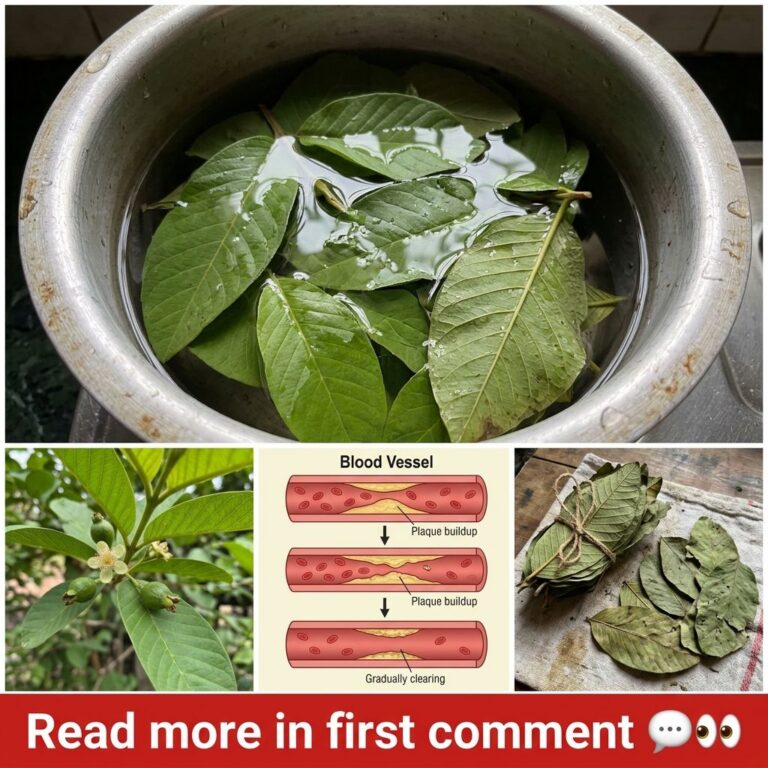
The Enduring Appeal of Guava Leaves
For centuries, traditional healers and homeopaths have harnessed the power of guava leaves for a myriad of health concerns. The reason for their widespread use lies in their unique chemical composition, packed with beneficial compounds like flavonoids, polyphenols, and carotenoids. These natural constituents contribute to the leaves’ antioxidant, anti-inflammatory, and antimicrobial properties, making them a versatile ingredient in herbal remedies.
Potential Cardiovascular Benefits
One area where guava leaves have garnered particular interest is in supporting cardiovascular health. As depicted in some traditional understandings and exploratory research, the compounds found in guava leaves may play a role in managing factors associated with heart health.
- Cholesterol Management: Some studies suggest that guava leaf extract may help in lowering levels of LDL (bad) cholesterol and triglycerides, while potentially increasing HDL (good) cholesterol.
- Blood Pressure Support: Traditionally, guava leaves have been used to help regulate blood pressure. Their antioxidant content may contribute to improved blood vessel elasticity and function.
- Anti-inflammatory Action: Chronic inflammation is a known risk factor for heart disease. The anti-inflammatory properties of guava leaves may help reduce inflammation in the cardiovascular system.
While these traditional uses and preliminary findings are promising, it’s crucial to remember that more extensive scientific research is needed to fully substantiate these claims and understand the exact mechanisms of action.
Beyond the Heart: Other Traditional Uses
The versatility of guava leaves extends far beyond cardiovascular considerations:
- Digestive Health: Guava leaf tea is a popular remedy for digestive issues such as diarrhea and stomach upset, thanks to its antimicrobial properties that may help combat harmful bacteria in the gut.
- Blood Sugar Regulation: There’s growing interest in their potential to help manage blood sugar levels, particularly for individuals with diabetes, though this should always be done under medical supervision.
- Skin and Hair Care: Rich in antioxidants, guava leaf extracts are used in traditional beauty regimens to address acne, reduce blemishes, and promote healthy hair growth.
- Cold and Flu Relief: The leaves are often brewed into a tea to alleviate symptoms of colds, coughs, and sore throats due to their anti-inflammatory and antimicrobial effects.
How to Prepare Guava Leaf Tea
Creating your own guava leaf tea is a simple and rewarding process. As shown in traditional preparations, it typically involves a few easy steps:
- Gather Your Leaves: Use 10-15 fresh, clean guava leaves or about a tablespoon of dried, crushed leaves.
- Rinse Thoroughly: Wash fresh leaves under running water to remove any dirt or impurities.
- Boil Water: Bring 2-3 cups of water to a boil in a clean pot.
- Add Leaves: Once the water is boiling, add the guava leaves.
- Simmer: Reduce the heat and let the leaves simmer for 10-15 minutes, or until the water changes color (typically to a light green or brown).
- Strain and Serve: Remove from heat, strain the leaves, and pour the tea into a cup. You can sweeten it with honey or a natural sweetener if desired, or add a slice of lemon for flavor.
Important Safety Tips and Precautions
While guava leaves are generally considered safe for most people, it’s essential to approach natural remedies with caution and awareness:
- Consult Your Doctor: Always speak with a healthcare professional before incorporating guava leaf tea or extracts into your routine, especially if you have pre-existing health conditions, are pregnant or breastfeeding, or are taking any medications.
- Allergic Reactions: Though rare, some individuals may experience allergic reactions. Discontinue use if you notice any adverse symptoms.
- Blood Sugar and Blood Pressure: If you are on medication for diabetes or high blood pressure, guava leaf tea might interact with your medication, potentially causing blood sugar or blood pressure to drop too low. Monitor your levels closely.
- Digestive Sensitivity: While often used for digestion, excessive consumption may lead to constipation in some individuals.
Embracing Traditional Wisdom
Guava leaves represent a fascinating intersection of traditional wisdom and modern curiosity. Their widespread use across diverse cultures speaks volumes about their perceived efficacy and safety over generations. As we continue to explore the gifts of nature, understanding and respectfully utilizing remedies like guava leaves can be a valuable part of a holistic approach to health. Always prioritize your safety and well-being by consulting with health experts and conducting thorough personal research.