Most people rush to snip off basil flowers, believing they’re stopping the plant from going to seed and sacrificing flavor. But here’s the part most people skip: those delicate blossoms, often overlooked, are a hidden gem in the world of natural remedies. What if we told you that far from being a nuisance, basil flowers hold their own unique properties, perfect for soothing infusions and aromatic oils?
It’s time to rethink your pruning strategy and unlock the secret potential of these fragrant florets. Ignoring them means missing out on a concentrated source of beneficial compounds that can be easily harvested and transformed into practical home remedies.
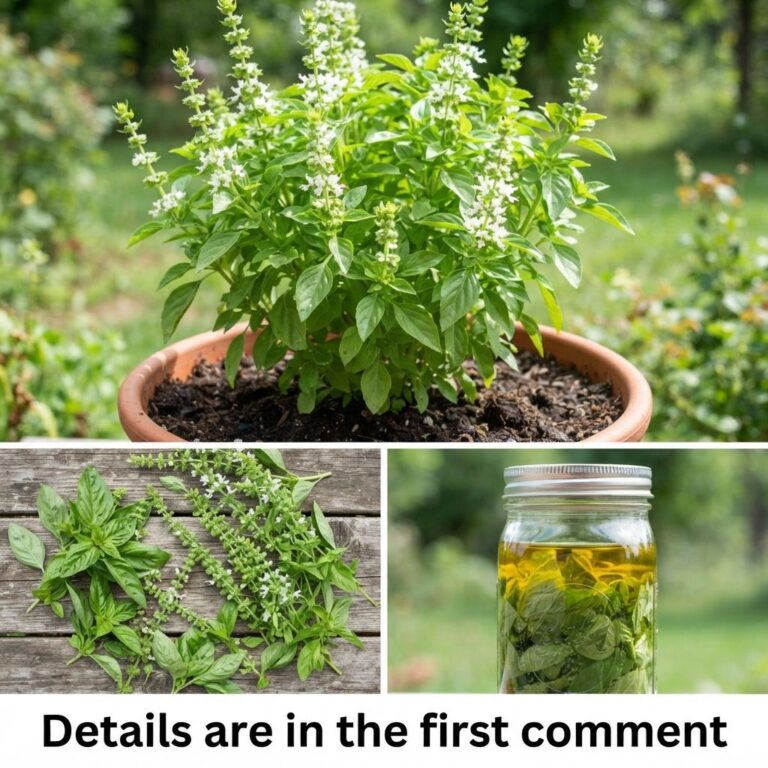
What It Is: The Unexpected Power of Basil Flowers
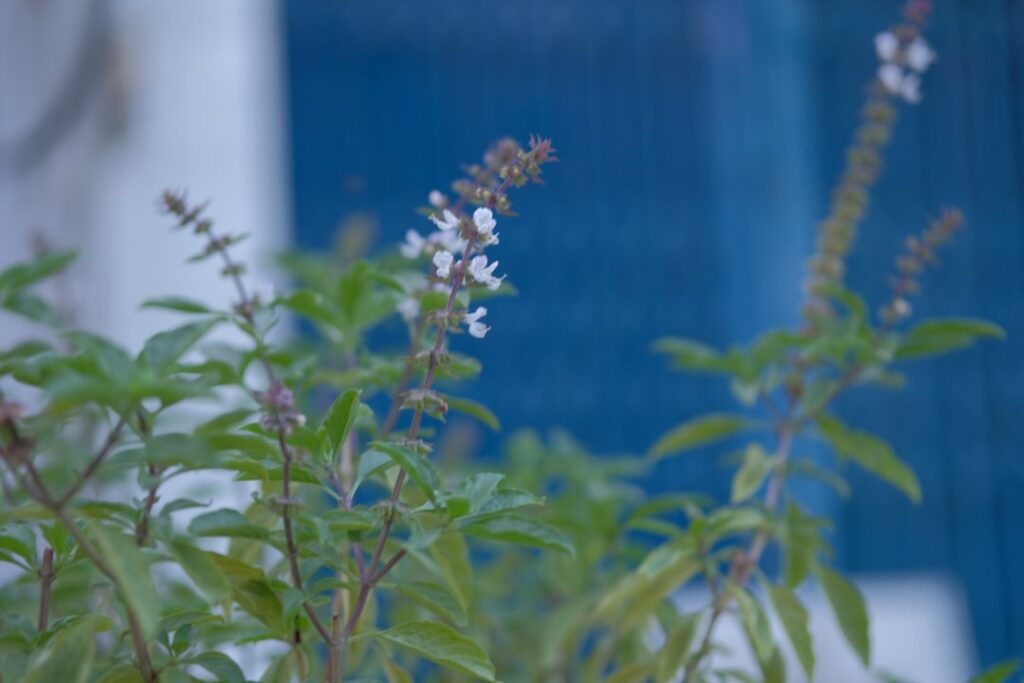
Basil flowers are the small, often white or pale purple blooms that appear on basil plants as they mature, signifying the plant is ‘bolting’ or preparing to go to seed. While many gardeners pinch these off to encourage more leaf growth, the flowers themselves contain similar aromatic compounds to the leaves, and in some cases, a unique concentration of beneficial essential oils. They are particularly rich in antioxidants and offer a milder, slightly sweeter basil aroma, making them excellent for gentle preparations.
Ingredients for Your Basil Flower Infused Oil
To tap into the calming and skin-soothing properties of basil flowers, an infused oil is one of the easiest and most effective DIY remedies. This simple preparation locks in their beneficial compounds for extended use.
- Fresh Basil Flowers: Enough to loosely fill a clean, dry glass jar (approximately 1-2 cups, packed lightly).
- Carrier Oil: 1 cup (240ml) of a good quality, unrefined carrier oil such as organic extra virgin olive oil, sweet almond oil, or jojoba oil.
Approximate Measurements
The ratio for infusing herbs into oil is quite forgiving. A good starting point is to fill your jar 3/4 full with fresh basil flowers, then top it off with oil, ensuring all plant material is submerged. For every 1 cup of loosely packed fresh flowers, you’ll likely need about 1 cup of carrier oil, but adjust based on your jar size.
Formula / Recipe: Basil Flower Soothing Oil
This method uses a slow, gentle infusion to extract the volatile oils and beneficial compounds from the basil flowers without damaging their delicate nature.
Step-by-Step Method
- Harvest & Prepare: Carefully snip basil flower spikes from your plant, ideally in the late morning after any dew has evaporated but before the intense midday sun. Gently shake off any insects. You can use the entire flower spike or gently separate the individual flowers. Do NOT wash them, as any moisture can lead to mold.
- Wilt (Optional, but Recommended): Spread the fresh basil flowers on a clean kitchen towel or paper for 12-24 hours to allow any residual moisture to evaporate. This crucial step helps prevent spoilage in your oil.
- Pack the Jar: Loosely pack your wilted basil flowers into a clean, dry glass jar. Do not over-compress them.
- Add Oil: Slowly pour your chosen carrier oil over the flowers, ensuring they are completely submerged. Use a clean chopstick or spoon to gently release any trapped air bubbles. All plant material MUST be covered by oil to prevent mold.
- Infuse: Cap the jar tightly. Place it in a cool, dark place away from direct sunlight. Shake the jar gently every day or two to redistribute the plant material.
- Wait: Allow the infusion process to take place for 2-4 weeks. The longer it infuses, the stronger the oil will be.
- Strain: After the infusion period, strain the oil using a fine-mesh sieve lined with cheesecloth. Squeeze the plant material thoroughly to extract every last drop of precious oil.
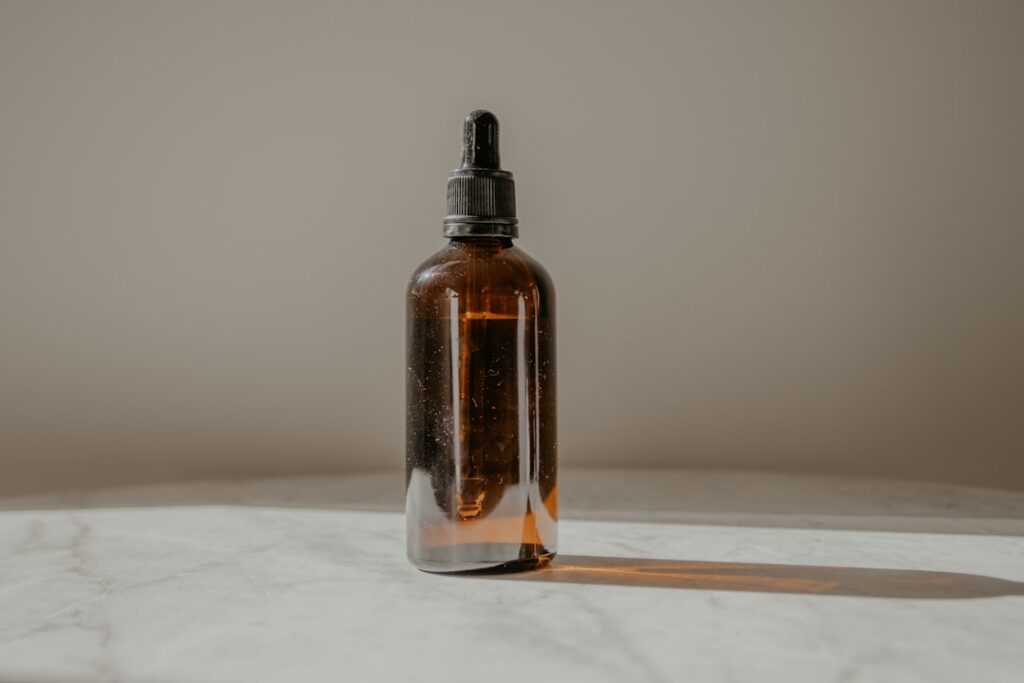
- Store: Pour the finished infused oil into a clean, dark glass bottle with a tight-fitting lid. Label it with the contents and date.
How to Use Your Basil Flower Oil
This gentle oil is versatile:
- Skin Soother: Apply a small amount to minor irritations, insect bites, or dry patches for a calming effect.
- Massage Oil: Use it as a base for a relaxing massage, particularly on tired muscles or temples.
- Aromatic Blend: A few drops can be added to a bath or diffused (though caution with heating oils is advised for diffusers) for its pleasant, slightly herbaceous aroma.
Quick Tip: The Power of Freshness
For the best results, use basil flowers that are vibrant and healthy, free from any signs of wilting, browning, or pest damage. The fresher the flowers, the more potent and fragrant your infused oil will be.
How Often to Use
Basil flower infused oil can be used topically as needed. For general skin support or as a massage oil, daily use is fine. Always perform a patch test on a small area of skin first to check for any sensitivities.
How to Choose & Harvest Your Ingredients
Basil Flowers: Ideally, harvest from organic basil plants that haven’t been sprayed with pesticides. Pick flowers when they are fully open and fragrant. Morning is best after dew has dried. If you don’t have your own plant, check with local farmers’ markets or herb suppliers.
Carrier Oil: Choose cold-pressed, unrefined oils. Olive oil is a robust, affordable choice, while sweet almond oil is lighter and good for sensitive skin. Jojoba oil is excellent for facial applications due to its similarity to skin’s natural sebum.
Storage
Store your basil flower infused oil in a cool, dark place, away from direct sunlight and heat. A dark glass bottle helps protect the oil from light degradation. Properly stored, it can last for 6-12 months. If you notice any off smell, cloudiness, or mold, discard it immediately.
Practical Tips for Your Basil Flower Remedy
- Enhance the Aroma: For an extra aromatic boost, you can add a few dried lavender buds or a small strip of orange peel (ensure it’s completely dry) to the infusion jar.
- Warm Infusion (for faster results): While the cold infusion is gentler, a warm infusion can speed up the process. Place your sealed jar in a slow cooker or double boiler with water, keeping the temperature between 100-120°F (38-49°C) for 4-8 hours. Never let the oil get too hot, as it can degrade.
- Beyond Oil: You can also make a mild basil flower tea by steeping fresh or dried flowers in hot water for 5-10 minutes. This can offer a calming, aromatic beverage.
Comparison: Best Uses for Basil Flower Preparations
| Preparation Type | Primary Use Cases | Typical Shelf Life |
|---|---|---|
| Infused Oil | Skin soothing, massage, aromatic carrier | 6-12 months |
| Herbal Tea | Mild digestive aid, calming beverage | Immediate (consume fresh) |
| Fresh Garnish | Culinary, aromatic addition to salads | Few days (refrigerated) |
Common Mistakes to Avoid
- Using Wet Flowers: Any moisture will introduce bacteria and mold, spoiling your oil. Always wilt fresh flowers or ensure they are completely dry before infusing.
- Not Submerging Plant Material: Any basil flowers exposed to air will quickly mold. Ensure they are fully covered by oil at all times.
- Boiling the Oil: High heat can destroy the delicate compounds in the flowers and can also make the oil go rancid faster. Stick to cold or very gentle warm infusions.
- Using Sprayed Plants: Always use organic, unsprayed basil to avoid infusing harmful chemicals into your remedy.
- Storing in Clear Jars in Sunlight: Light and heat are the enemies of infused oils. Use dark glass and store in a cool, dark place.
Cautions / Who Should Avoid It
Basil is generally safe for topical use. However, always perform a patch test on a small area of skin before widespread application, especially if you have sensitive skin or known allergies to plants in the mint family. If irritation occurs, discontinue use. Pregnant or nursing individuals and those with specific medical conditions should consult a healthcare professional before using any new herbal remedy.
Quick Summary: Basil Flower Infused Oil
- Best Preparation: Slow cold infusion in a carrier oil.
- Key Use-Case: Skin soothing, gentle massage, aromatic applications.
- Storage: Dark glass bottle, cool, dark place; lasts 6-12 months.
- When to Use: As needed for minor skin irritations or relaxation.
- What to Avoid: Wet flowers, exposure to light/heat, non-organic basil.
FAQ: Your Basil Flower Questions Answered
- Can I use dried basil flowers?
- Yes, you can! If using dried flowers, you won’t need to wilt them, but ensure they are completely dry before infusing to prevent mold. The infusion process will be similar.
- How long does the infused oil last?
- When stored correctly in a cool, dark place, basil flower infused oil typically lasts 6-12 months, depending on the carrier oil used. Always check for changes in smell or appearance.
- Can I refrigerate the oil?
- Refrigerating herbal oils can extend their shelf life slightly but might also cause some carrier oils (like olive oil) to solidify, making them harder to use. It’s generally not necessary if stored in a cool, dark pantry.
- What part of the basil flower is best?
- The entire flower spike can be used. Some prefer to gently remove individual flowers, but it’s not strictly necessary. The key is to use healthy, vibrant blooms.
- Can I eat the basil flowers?
- Yes, basil flowers are edible and can be used as a delicate, aromatic garnish for salads, soups, or desserts. They have a milder, slightly sweeter basil flavor.
- What’s the best time to harvest basil flowers?
- Harvest in the late morning after any dew has dried, but before the sun is at its strongest. This ensures the highest concentration of essential oils and minimizes moisture.
Conclusion
So, the next time your basil plant starts to ‘bolt,’ resist the urge to simply discard those beautiful flower spikes. With a little care and preparation, you can transform them into a valuable, aromatic basil flower infused oil – a practical addition to your natural remedy cabinet. It’s a simple way to maximize the bounty of your garden and discover a new facet of this beloved herb.
You may also like: DIY Herbal Bug Repellent: Natural Solutions for Your Garden & Home
Read more: The Best Herbs for Soothing and Nourishing Your Skin