Most people walk right past one of nature’s earliest and most versatile spring greens without even noticing it. While everyone’s waiting for dandelion, a lesser-known but equally valuable plant is quietly popping up in yards and fields, ready for harvest. That plant is purple dead nettle, and knowing how to recognize it can unlock a world of simple, practical remedies for everyday discomforts.
Forget complex foraging guides for a moment; purple dead nettle is often right underfoot. But before you start gathering, it’s crucial to know what you’re looking for and, more importantly, how to use it safely and effectively. This isn’t just another pretty weed; it’s a powerhouse of beneficial compounds that can be easily incorporated into your natural health routine.
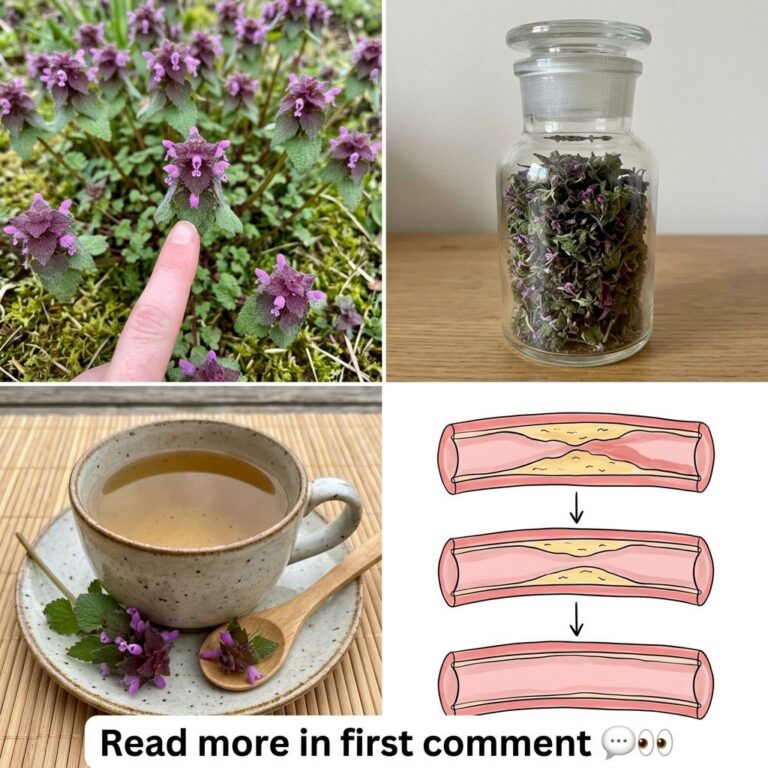
What is Purple Dead Nettle?
Purple dead nettle (Lamium purpureum) is a common annual herb belonging to the mint family (Lamiaceae). Despite its name, it’s not a true stinging nettle (Urtica dioica); it’s called “dead nettle” because its leaves don’t sting. It’s easily identified by its square stems, opposite leaves, and distinctive whorls of small, purple-tinged flowers at the top, which give it its characteristic color.
This plant is often one of the first greens to appear in early spring, sometimes even in late winter, making it a valuable early season forage. It’s completely edible, from root to flower, with a mild, slightly earthy flavor. Beyond its edibility, herbalists value purple dead nettle for its traditional uses in supporting skin health and providing a gentle internal tonic.
How to Recognize It: The Key Distinctions
Before you harvest, precise identification is non-negotiable. Here’s what to look for:
- Square Stem: Like all members of the mint family, purple dead nettle has a distinctly square stem. Roll it between your fingers to confirm.
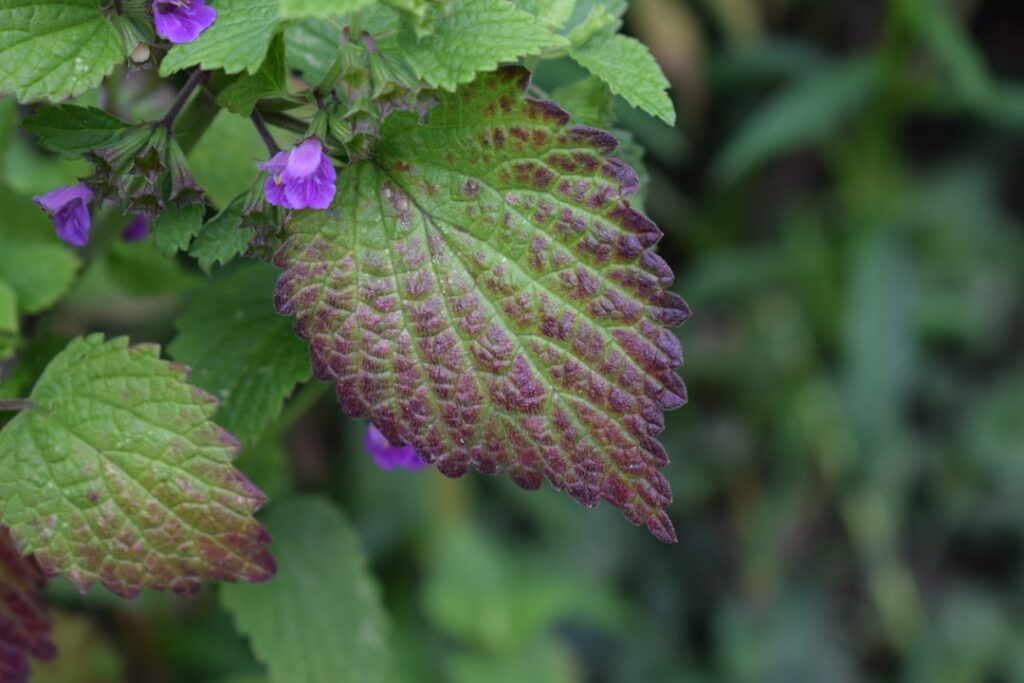
- Opposite Leaves: Leaves grow directly opposite each other on the stem. The upper leaves are often tinged with purple.
- Distinctive Flowers: Small, purplish-pink flowers grow in whorls around the upper parts of the stem.
- No Stinging Hairs: Unlike true nettles, purple dead nettle is completely harmless to touch.
Be careful not to confuse it with Henbit (Lamium amplexicaule), which is also edible and similar, but its upper leaves clasp the stem, whereas purple dead nettle leaves have short petioles.
Practical Remedy: Purple Dead Nettle Tea
One of the easiest and most common ways to harness purple dead nettle’s benefits is by making a simple tea. This gentle infusion is a refreshing way to incorporate its properties into your daily routine.
Ingredients:
- 1-2 tablespoons fresh purple dead nettle (leaves and flowers) OR 1 teaspoon dried purple dead nettle
- 8 oz (1 cup) hot water (just off the boil)
- Optional: Honey or lemon to taste
Formula / Recipe:
Brewing purple dead nettle tea is as straightforward as any herbal infusion. The key is to use hot, not boiling, water to preserve the delicate compounds.
Step-by-Step Method:
- Prepare the Nettle: If using fresh nettle, rinse it gently under cool water to remove any dirt or insects. Chop roughly if the pieces are very large.
- Combine: Place the fresh or dried purple dead nettle into a mug.
- Add Water: Pour the hot water over the nettle.
- Steep: Cover the mug (to prevent beneficial volatile oils from escaping) and steep for 5-10 minutes. For a stronger brew, steep longer.
- Strain: Strain out the plant material using a fine-mesh sieve.
- Enjoy: Add honey or lemon if desired, and enjoy warm.
How to Use:
Drink as a soothing beverage. It has a mild, slightly grassy, and earthy flavor. You can also allow it to cool and use it as a skin rinse for minor irritations.
How Often to Use:
You can enjoy purple dead nettle tea 1-3 times a day as a general tonic, especially during the spring season when it’s most abundant. For topical application, use as needed.
Quick Tip: Fresh vs. Dried
While fresh purple dead nettle is wonderful for tea, drying it allows you to enjoy its benefits year-round. Dry gently in a well-ventilated area away from direct sunlight until brittle, then store in an airtight container.
Purple Dead Nettle Infused Oil (for topical use)
For skin support, an infused oil can be a great way to capture the plant’s properties.
Ingredients:
- 1 cup fresh purple dead nettle (lightly packed, leaves and flowers), wilted overnight OR 1/2 cup dried purple dead nettle
- 1 cup carrier oil (e.g., olive oil, almond oil, jojoba oil)
Step-by-Step Method (Folk Method):
- Prepare Nettle: If using fresh, wilt it overnight to reduce water content, which prevents mold. Chop finely.
- Combine: Place nettle in a clean, dry glass jar. Pour carrier oil over it, ensuring all plant material is fully submerged.
- Infuse: Cover the jar tightly. Place in a warm, sunny spot (like a windowsill) for 2-4 weeks. Shake gently every day or two.
- Strain: After infusion, strain the oil through cheesecloth or a fine-mesh sieve, squeezing out all the oil from the plant material.
- Store: Transfer the infused oil to a clean, dark glass bottle.
How to Use:
Apply a small amount of the infused oil topically to soothe dry skin, minor scrapes, or insect bites. Can be used alone or as the base for a simple salve by melting with beeswax.
How Often to Use:
As needed for topical skin support.
How to Gather / How to Choose Ingredients
Foraging for purple dead nettle is relatively easy, but crucial rules apply:
- Identify Correctly: Always be 100% certain of your identification.
- Choose Clean Locations: Gather from areas free of pesticides, herbicides, animal waste, and heavy road pollution. Backyards, undisturbed fields, and forest edges are often good.
- Harvest Sustainably: Only take what you need and leave plenty for the plant to continue growing and for wildlife. Avoid taking all the plants from one area.
- Timing: Best harvested in early spring when the plants are young and tender. As temperatures rise, they can become tougher and less palatable.
Storage
Proper storage is essential to maintain the quality of your purple dead nettle:
- Fresh: Store fresh sprigs in a plastic bag in the refrigerator for up to 3-5 days.
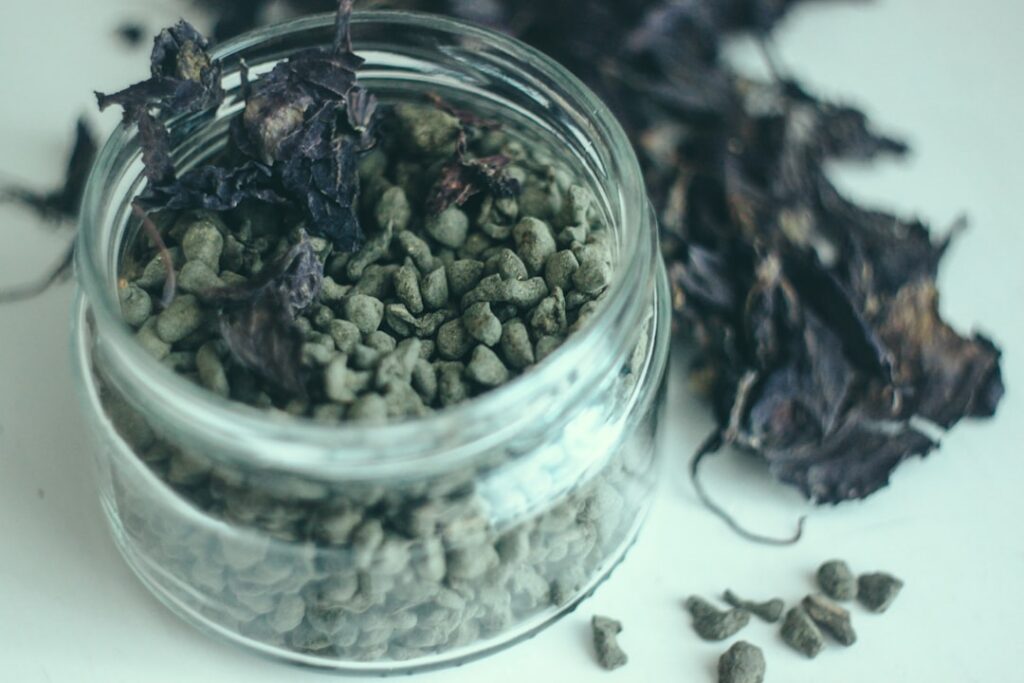
- Dried: Dry leaves and flowers thoroughly. Store in an airtight container (glass jars are ideal) in a cool, dark, dry place. Dried purple dead nettle can last for 6 months to 1 year, retaining most of its properties.
- Infused Oil: Store in a dark glass bottle in a cool, dark place. Should last for at least a year, depending on the shelf life of your carrier oil.
Practical Tips
- Taste Test: Add fresh purple dead nettle to salads or smoothies for an extra nutritional boost.
- Combine with Other Herbs: Purple dead nettle pairs well in teas with mint, lemon balm, or ginger for added flavor and benefits.
- Spring Tonic: Make a stronger infusion and use it as a base for a spring tonic, combining with other early spring greens like violet leaves.
Common Mistakes
| Mistake | Why It’s a Problem | Solution |
|---|---|---|
| Misidentification | Could lead to ingesting an unknown or toxic plant. | Always be 100% certain of identification before consuming. Use a reliable field guide. |
| Harvesting from polluted areas | Introduces toxins and contaminants into your remedy. | Only forage from clean, undisturbed areas away from roadsides, industrial sites, and treated lawns. |
| Not drying thoroughly (for storage) | Leads to mold growth, rendering the plant unusable. | Ensure plant material is completely brittle and dry before storing in airtight containers. |
| Boiling instead of steeping tea | Can degrade delicate compounds and essential oils. | Always steep with hot (not boiling) water and cover the mug to retain beneficial vapors. |
Cautions / Who Should Avoid It
Purple dead nettle is generally considered safe for most people when consumed in moderate amounts. However, certain individuals should exercise caution:
- Pregnant or Breastfeeding Individuals: As with most herbs, consult a healthcare professional before use.
- Individuals on Medications: While uncommon, purple dead nettle could theoretically interact with certain medications, particularly those affecting blood clotting or blood pressure. Consult a doctor.
- Allergies: If you have allergies to other plants in the mint family, proceed with caution.
Always start with a small amount to gauge your body’s reaction.
Quick Summary
- Best Preparation: Simple tea infusion for internal use; infused oil for topical skin support.
- Best Use-Case: General spring tonic, mild digestive support (tea), soothing minor skin irritations (topical).
- Storage: Fresh in the fridge for a few days; dried in airtight containers for 6-12 months; infused oil for up to 1 year.
- When to Use: Abundantly available in early spring; can be used year-round with dried material.
- What to Avoid: Polluted harvesting sites, misidentification, boiling tea, inadequate drying for storage.
FAQ
- Can I use both fresh and dried purple dead nettle for tea?
Yes, both can be used. Use about 1-2 tablespoons of fresh plant material or 1 teaspoon of dried per cup of water. - How long does fresh purple dead nettle last?
Freshly harvested purple dead nettle can be stored in the refrigerator for 3-5 days. - What part of the purple dead nettle is best to use?
The leaves and the purple flowering tops are generally considered the most beneficial parts for culinary and medicinal uses. - Can I reuse the nettle leaves after making tea?
While you can try, most of the beneficial compounds will have already been extracted in the first brew, so a second infusion will be significantly weaker. - Is purple dead nettle safe for pets?
While generally considered non-toxic, always consult with a holistic vet before introducing any new herbs to your pet’s diet. - How can I dry purple dead nettle at home?
Spread the clean plant material in a single layer on a drying screen or clean cloth in a well-ventilated area away from direct sunlight. Turn periodically until completely brittle. - Can purple dead nettle be frozen?
You can blanch and then freeze purple dead nettle leaves, similar to spinach, for culinary uses like adding to soups or smoothies.
You may also like: Our Full Guide to Ethical Foraging
Conclusion
Purple dead nettle offers a simple, accessible entry point into the world of backyard foraging and natural remedies. By taking a few moments to identify, gather, and prepare this common spring plant, you can easily integrate a valuable wild green into your home remedies and enjoy its gentle, supportive properties. So, next time you’re outside, take a closer look – your next remedy might just be growing at your feet.
Read more: Learn How to Make Your Own Herbal Salves
Related remedy: Unlocking the Power of Dandelion Roots and Leaves