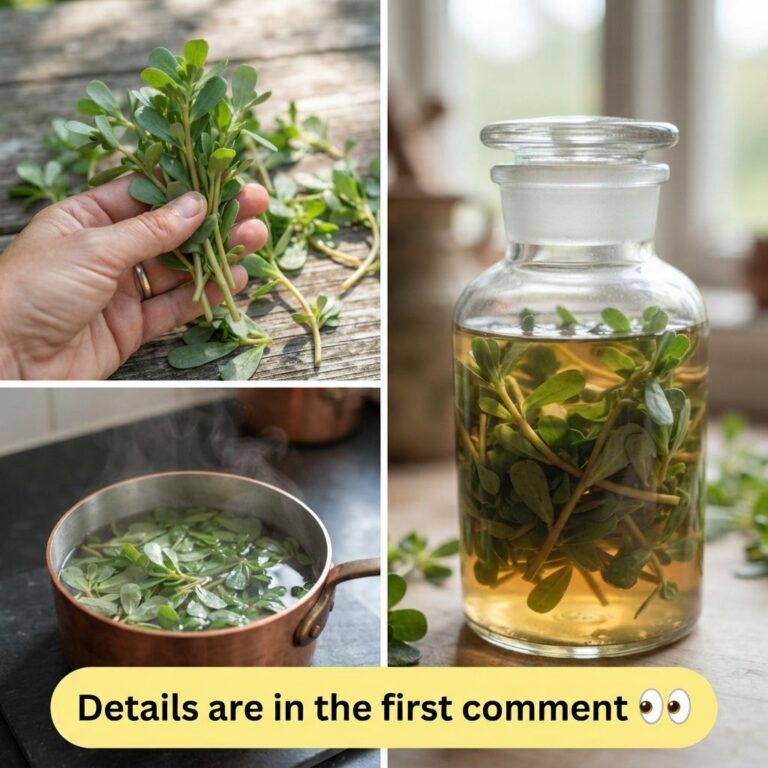
Most gardeners wage war on it, but what if that pesky ‘weed’ hiding in plain sight is actually a powerhouse of nutrition and a valuable natural remedy? Purslane, often overlooked and discarded, holds secrets that many herbalists and health enthusiasts swear by. Before you reach for the weed killer or dismiss it as just another garden nuisance, learn why this succulent green deserves a second look and how you can harness its remarkable properties.
What It Is: The Mighty Purslane
Purslane, scientifically known as Portulaca oleracea, is a common annual succulent plant found in gardens, fields, and even cracks in pavement worldwide. It’s easily identifiable by its paddle-shaped, fleshy green leaves and reddish, creeping stems. While it might be considered a weed by many, it has a long history of use in traditional medicine and culinary practices across various cultures, particularly in the Mediterranean, Middle East, and Asia.
Unlike most garden weeds, purslane is exceptionally rich in nutrients. It boasts significant levels of Omega-3 fatty acids (a rarity for land-based plants), vitamins A, C, and E, as well as minerals like magnesium, calcium, potassium, and iron. Its unique composition makes it a standout ingredient for internal and topical applications, offering a range of benefits from supporting cardiovascular health to soothing skin irritations.

Ingredients for a Simple Purslane Infusion
Harnessing the benefits of purslane doesn’t require complex preparations. One of the easiest and most effective ways is through a simple infusion or tea. This method extracts water-soluble compounds, making them readily available for your body.
- Fresh Purslane: About 1/4 to 1/2 cup of fresh, chopped leaves and tender stems.
- Dried Purslane: 1 to 2 teaspoons of dried purslane.
- Filtered Water: 8 ounces (1 cup).
Formula / Recipe: Purslane Wellness Tea
This basic formula is ideal for daily wellness support, aiding digestion, and boosting overall vitality. It’s gentle, easy to prepare, and a fantastic way to incorporate this super-weed into your routine.
Yields: 1 serving
Prep time: 5 minutes
Steep time: 10-15 minutes
Step-by-Step Method
- Gather & Clean: If using fresh purslane, gently rinse the leaves and stems under cool water to remove any soil or debris. Pat dry.
- Chop: Roughly chop the fresh purslane leaves and tender stems. If using dried, simply measure it out.
- Heat Water: Bring 8 ounces of filtered water to a boil.
- Combine: Place the chopped fresh purslane (or dried) into a heat-proof mug or a small teapot.
- Infuse: Pour the hot water over the purslane. Cover your mug or teapot to prevent volatile compounds from escaping with the steam.
- Steep: Let it steep for 10-15 minutes. For a stronger infusion, you can steep longer, up to 30 minutes.
- Strain & Enjoy: Strain the purslane leaves from the liquid. Your purslane wellness tea is ready to drink.
Quick Tip: Enhance the Flavor
Purslane tea has a mild, slightly tart, and earthy flavor. If you find it too plain, a squeeze of fresh lemon juice or a small dollop of honey can enhance the taste without detracting from its benefits. You can also add a few mint leaves during the steeping process for a refreshing twist.
How to Use Your Purslane Infusion
- As a Wellness Drink: Drink 1-2 cups daily for general health, digestive support, and to benefit from its rich nutrient profile.
- Topical Rinse: Once cooled, the infusion can be used as a topical rinse for minor skin irritations, insect bites, or as a soothing facial toner. Apply with a clean cotton pad or cloth.
- Compress: Soak a clean cloth in the cooled infusion and apply it as a compress to areas of discomfort or swelling.
How Often to Use
For internal use, drinking 1-2 cups of purslane tea daily is generally well-tolerated and provides consistent support. For topical applications, you can use the rinse or compress 2-3 times a day as needed until the irritation subsides.
How to Buy / How to Choose Ingredients
The best way to get purslane is often to forage it yourself! Look for it in clean, unsprayed environments like your own garden (if organic), local fields, or even at farmers’ markets where it’s sometimes sold as a gourmet green.
- Foraging: Ensure the area has not been treated with pesticides or herbicides and is away from heavy traffic or industrial pollution. Identify it carefully to avoid lookalikes.
- Farmers’ Markets: Look for vibrant, plump, and firm leaves with reddish stems. Avoid any wilted, discolored, or slimy specimens.
- Drying Your Own: If you have an abundance, you can dry purslane by hanging small bunches upside down in a well-ventilated, dry, and dark place. Once crispy, crumble and store.

Storage
Proper storage ensures the longevity and potency of your purslane, whether fresh, dried, or prepared.
- Fresh Purslane: Wrap unwashed fresh purslane in a damp paper towel and store it in a plastic bag or airtight container in the refrigerator’s crisper drawer. It will last for 3-5 days.
- Dried Purslane: Store dried purslane in an airtight glass jar away from direct sunlight, heat, and moisture. It can retain potency for up to 6-12 months.
- Prepared Infusion: Store any leftover purslane tea in a sealed container in the refrigerator for up to 24-48 hours. Discard if it develops an off smell or cloudy appearance.
Practical Tips for Purslane Lovers
- Eat it Raw: Purslane is delicious raw! Add fresh leaves to salads, sandwiches, smoothies, or as a garnish for soups. Its slightly tangy, lemony flavor is a delightful addition.
- Cook It Lightly: You can lightly sauté purslane, steam it, or add it to stir-fries towards the end of cooking. Avoid overcooking to preserve its delicate nutrients.
- Smoothie Boost: A handful of fresh purslane can be a fantastic, nutritious addition to your morning smoothie, blending seamlessly with fruits and other greens.
Common Mistakes to Avoid
While purslane is largely safe and beneficial, a few common errors can diminish its effectiveness or even lead to problems.
- Harvesting from Contaminated Areas: Never pick purslane from roadsides, industrial zones, or lawns that may have been sprayed with pesticides or herbicides.
- Misidentification: Although distinct, ensure you positively identify purslane before consuming it. Some plants, like common spurge, can have a similar growth habit but are not edible.
- Over-Boiling for Tea: Boiling purslane for an extended period can degrade some of its delicate nutrients, especially heat-sensitive vitamins. Infusion with hot water is preferred.
- Improper Storage: Allowing fresh purslane to wilt or spoil before use, or storing dried purslane in humid conditions, will reduce its potency and shelf life.
- Ignoring Oxalate Content: Purslane contains oxalates. While usually not an issue, individuals prone to kidney stones should consume it in moderation or consult a healthcare professional.
Read more:
Discover the Power of Dandelion Root Tea for detoxification and digestion.
Cautions / Who Should Avoid It
While generally safe for most people, certain individuals should exercise caution or avoid purslane:
- Kidney Stone Sufferers: Purslane is high in oxalates, which can contribute to kidney stone formation in susceptible individuals. Consume in moderation if you have a history of kidney stones.
- Pregnant or Nursing Women: As with many herbal remedies, consult your doctor before using purslane therapeutically during pregnancy or lactation due to limited research on its effects.
- Individuals on Blood Thinners: Purslane contains Vitamin K, which plays a role in blood clotting. If you are on blood-thinning medication, consult your doctor to ensure there are no contraindications.
Quick Summary: Your Purslane Cheat Sheet
- Best Preparation: Fresh in salads/smoothies, or as a hot water infusion (tea).
- Best Use-Case: General wellness, digestive aid, topical skin soother.
- Storage: Fresh in the fridge for a few days; dried in an airtight jar for months; tea refrigerated for 1-2 days.
- When to Use: Daily for consistent nutritional support, or as needed for minor skin irritations.
- What to Avoid: Purslane from sprayed areas, misidentification, excessive use if prone to kidney stones.
You may also like:
A comprehensive guide to Foraging Edible Weeds Safely in your local area.
FAQ
- Can I use fresh or dried purslane for tea?
- Yes, both fresh and dried purslane can be used to make tea. Fresh purslane offers a slightly milder taste, while dried can be more concentrated.
- How long does purslane tea last?
- Freshly brewed purslane tea should be consumed within 24-48 hours if refrigerated. It’s best to make a fresh batch daily for optimal potency.
- Can I eat purslane raw?
- Absolutely! Purslane is excellent raw in salads, sandwiches, and smoothies. Its slightly tart, lemony flavor is quite refreshing.
- What part of the purslane plant is best to use?
- The leaves and tender stems are the most commonly used parts for both culinary and medicinal purposes.
- Is it safe for children?
- While generally considered safe, it’s always best to consult a pediatrician before introducing new herbal remedies to children.
- Does purslane really contain Omega-3 fatty acids?
- Yes, purslane is one of the richest plant sources of alpha-linolenic acid (ALA), an Omega-3 fatty acid, making it quite unique among leafy greens.
- How do I correctly identify purslane?
- Look for its distinct succulent, paddle-shaped leaves, and reddish, branching stems. It often grows flat along the ground in a mat-like fashion.
- Can I reuse the leaves after making tea?
- While some beneficial compounds may remain, most of the readily available nutrients will have been extracted in the first infusion. It’s generally best to use fresh material for each batch.
Related remedy:
Learn how to create a soothing Plantain Poultice for skin relief.
Conclusion
The next time you spot purslane, don’t just see a weed. See a resilient, nutrient-dense plant with a rich history and a wealth of potential benefits for your health and well-being. From a simple tea to a fresh salad ingredient, incorporating purslane into your life is an easy, natural step towards enhancing your daily wellness. Remember to source it responsibly, prepare it correctly, and listen to your body, unlocking the true value of this remarkable ‘super-weed’.