
Most People See Beauty, But Miss the True Value
That beautiful Mimosa tree (Albizia julibrissin), with its delicate pink, fluffy blossoms gracing your yard each summer, is often admired solely for its ornamental charm. But what if we told you those same flowers, and even the bark, hold a hidden value far beyond mere aesthetics? For centuries, herbal traditions have recognized the Mimosa tree not just for its beauty, but for its unique properties in supporting emotional balance and well-being. It’s a botanical secret that might just be growing right outside your window.
Ignoring this easily accessible resource means missing out on one of nature’s gentle allies for calming the mind and soothing the spirit. This guide will walk you through how to responsibly tap into the Mimosa tree’s potential, focusing on practical preparations you can make yourself.
What is the Mimosa Tree (Albizia julibrissin)?
Known commonly as the Silk Tree or Persian Silk Tree, Albizia julibrissin is a deciduous tree native to Asia. While it’s often considered an invasive species in some regions due to its rapid growth and seed dispersion, its beautiful, fragrant flowers and fern-like leaves are undeniable. In traditional herbal practices, particularly in Asia, the flowers (known as He Huan Hua) and the bark (He Huan Pi) are the primary parts used. The flowers are particularly prized for their gentle, uplifting qualities.
The Core Remedy: Mimosa Flower Tea
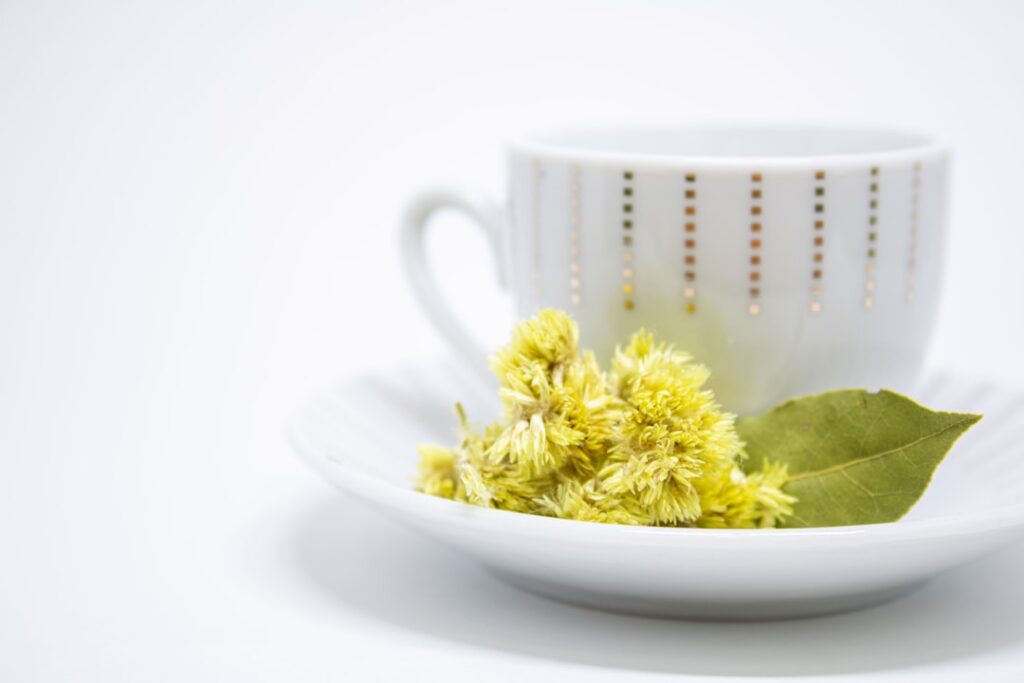
A simple tea made from the dried flowers is one of the easiest ways to experience the Mimosa tree’s gentle touch. It’s often consumed to help promote relaxation, ease everyday tension, and support a sense of calm.
Ingredients
- 1-2 teaspoons dried Mimosa flowers (ensure they are properly identified and unsprayed)
- 8-10 ounces hot water (just below boiling)
Formula / Recipe
- Place dried Mimosa flowers in a tea infuser or directly into a mug.
- Pour hot water over the flowers.
- Cover and steep for 5-10 minutes.
- Strain the flowers (if not using an infuser) and enjoy.
Step-by-Step Method
Making Mimosa tea is straightforward. The key is gentle steeping, not boiling, to preserve the delicate compounds in the flowers. Always use clean, filtered water for the best taste and efficacy. For a stronger brew, you can use slightly more flowers or extend the steeping time, but avoid going past 15 minutes as it can sometimes lead to a slightly bitter taste.
How to Use Mimosa Tea
Sip your Mimosa tea slowly, allowing yourself to relax. It’s best consumed during times of stress, in the late afternoon, or about an hour before bedtime to help unwind. It has a subtly sweet, mild flavor that is pleasant on its own, but you can add a touch of honey if desired.
How Often to Use
For general well-being, 1-2 cups per day is a common recommendation. If using to support sleep, consume one cup about an hour before sleep. Consistency is often more important than high doses. Always start with a lower dose to see how your body responds.
Quick Tip: Fresh vs. Dried Flowers
While fresh Mimosa flowers are beautiful, they have a high water content and fewer concentrated compounds for tea. Dried flowers are preferred for potency and shelf life. If using fresh, you’ll need significantly more material (about 3-4 times the amount) and they won’t store well.
Harvesting & How to Buy Mimosa Flowers
If you have a Mimosa tree in your yard, consider harvesting your own flowers. They are best picked when fully open, typically in summer. Look for vibrant, healthy flowers free from pests or damage. Gently pluck them from the tree.
Drying Method: Lay fresh flowers in a single layer on a clean screen or paper towel in a well-ventilated area, away from direct sunlight. Turn them periodically until they are completely dry and brittle, which can take several days to a week. Proper drying prevents mold and preserves their beneficial properties.
If buying, seek out reputable herbal suppliers. Ensure the Mimosa flowers are organic, sustainably harvested, and clearly identified as Albizia julibrissin. Avoid products with added fillers or artificial ingredients.
Storage Solutions
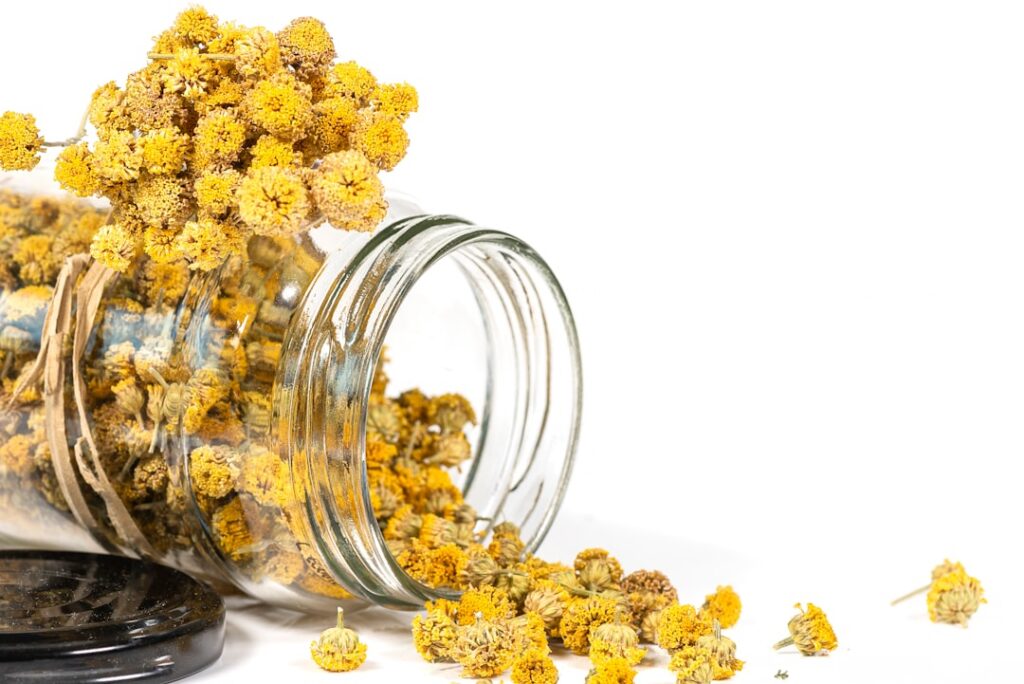
Once your Mimosa flowers are thoroughly dried, store them in an airtight glass jar away from direct light, heat, and moisture. A cool, dark pantry is ideal. Stored correctly, dried Mimosa flowers can retain their potency for up to 1 year.
Prepared tea is best consumed fresh. If you have leftovers, they can be refrigerated in a sealed container for up to 24 hours, but the flavor and efficacy may diminish.
Practical Tips for Best Results
- Timing is Key: For emotional support, use as needed. For sleep, aim for an hour before bed.
- Don’t Boil: High heat can degrade delicate compounds. Always steep with hot, not boiling, water.
- Listen to Your Body: Start with small amounts and adjust based on your personal response.
- Source Consciously: If foraging, ensure the tree has not been sprayed with pesticides.
Common Mistakes to Avoid
- Using the Wrong Part: While the bark also has uses, for the gentle mood-lifting tea, focus on the flowers.
- Improper Drying: Rushing the drying process leads to mold, making the flowers unusable.
- Over-steeping: Steeping for too long can result in a bitter taste and doesn’t necessarily increase potency.
- Confusing Species: Always confirm you have Albizia julibrissin, as other plants can be mistaken for it.
Cautions / Who Should Avoid It
While Mimosa flowers are generally considered gentle, it’s important to be aware of potential contraindications:
- Pregnancy and Breastfeeding: There is insufficient research on its safety during these periods. It’s best to avoid.
- Medication Interactions: If you are taking sedatives, antidepressants, or any other medications, consult with a healthcare professional before incorporating Mimosa into your routine.
- Allergies: If you have allergies to other members of the legume family, proceed with caution, or avoid entirely.
- Drowsiness: Mimosa can cause drowsiness in some individuals. Avoid operating heavy machinery or driving until you know how it affects you.
You may also like: DIY Herbal Sleep Tinctures: Your Guide to Restful Nights
Quick Summary: Your Mimosa Remedy at a Glance
- Best Preparation: Gentle tea from dried flowers.
- Best Use-Case: Promoting relaxation, easing tension, supporting emotional balance, aiding sleep.
- Storage: Dried flowers in an airtight jar, cool and dark, for up to 1 year.
- When to Use: As needed for stress, or an hour before bedtime.
- What to Avoid: Boiling flowers, improper drying, using during pregnancy/breastfeeding, combining with sedatives without professional advice.
Frequently Asked Questions About Mimosa Flowers
- Can I use fresh or dried Mimosa flowers?
- Dried flowers are generally preferred for tea as they are more potent and easier to store. If using fresh, you’ll need a larger quantity.
- How long does Mimosa tea last?
- Mimosa tea is best consumed immediately. Leftovers can be refrigerated for up to 24 hours but may lose some potency and flavor.
- Can I freeze Mimosa flowers?
- Freezing fresh flowers can degrade their quality. Drying is the best method for long-term preservation.
- What part of the Mimosa tree is best for relaxation?
- Both the flowers (He Huan Hua) and the bark (He Huan Pi) are traditionally used, but the flowers are often specifically associated with gentle mood support and calming.
- How often should I use Mimosa tea?
- You can enjoy 1-2 cups per day, or as needed for relaxation. Start with a lower dose to assess your body’s response.
- Is Mimosa tea safe for children?
- There isn’t enough research to recommend Mimosa for children. It’s best to consult a pediatrician or avoid it.
- Can Mimosa make you sleepy?
- Yes, it can have a mild sedative effect for some people, especially when consumed before bed. Be mindful of this when consuming.
- Where can I buy dried Mimosa flowers?
- Look for them at reputable online herbal retailers, specialized tea shops, or Asian markets that carry traditional herbs.
Related remedy: Calming Chamomile-Infused Oil: Your Natural Soother
Embrace the Value in Your Own Backyard
The Mimosa tree, often seen as merely a beautiful garden specimen, holds a rich history of use in supporting emotional well-being. By understanding how to properly harvest, prepare, and use its delicate flowers, you can unlock a gentle, natural ally for navigating life’s everyday stresses. Whether you choose to sip a calming tea or explore other preparations, remember that nature often provides its most profound gifts in the most unexpected and beautiful forms.
Continue reading: Natural Stress Relief Herbs You Need to Know