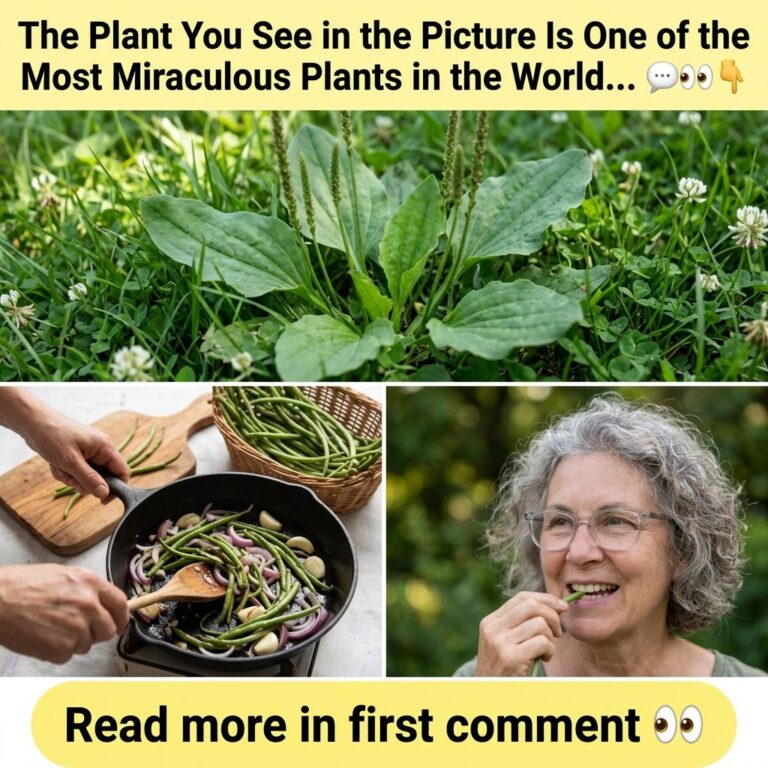
Most people ignore the broadleaf plantain, dismissing it as just another weed in their lawn or along a footpath. Yet, for centuries, this unassuming plant has been a quiet powerhouse in natural medicine. Often overlooked for its more glamorous herbal cousins, plantain (Plantago major or Plantago lanceolata) holds a remarkable place in traditional remedies, particularly for common skin irritations and minor first aid.
What if the solution to a nasty bug bite, a minor cut, or a persistent rash was literally growing right outside your door?
What is Plantain and Why is it So Remarkable?
Plantain is a common perennial herb found worldwide in temperate regions. There are two main types often used medicinally: Broadleaf Plantain (Plantago major) and Narrowleaf Plantain (Plantago lanceolata, also known as Ribwort Plantain). Both share similar medicinal properties, primarily due to compounds like allantoin, aucubin, and mucilage.
These compounds contribute to its reputation for being anti-inflammatory, astringent, and vulnerary (wound-healing). It’s particularly famous for its ability to draw out toxins, soothe irritated skin, and aid in the healing of minor wounds and stings. It’s like nature’s own minor first-aid kit, available for free.
DIY Plantain Poultice for Skin Relief
One of the most immediate and effective ways to use plantain is by creating a simple poultice. This is a paste made from crushed plant material applied directly to the skin.
Ingredients:
- Fresh plantain leaves (approximately 5-10 medium-sized leaves, depending on the area to be covered)
- Clean water (optional, for rinsing)
Formula / Recipe:
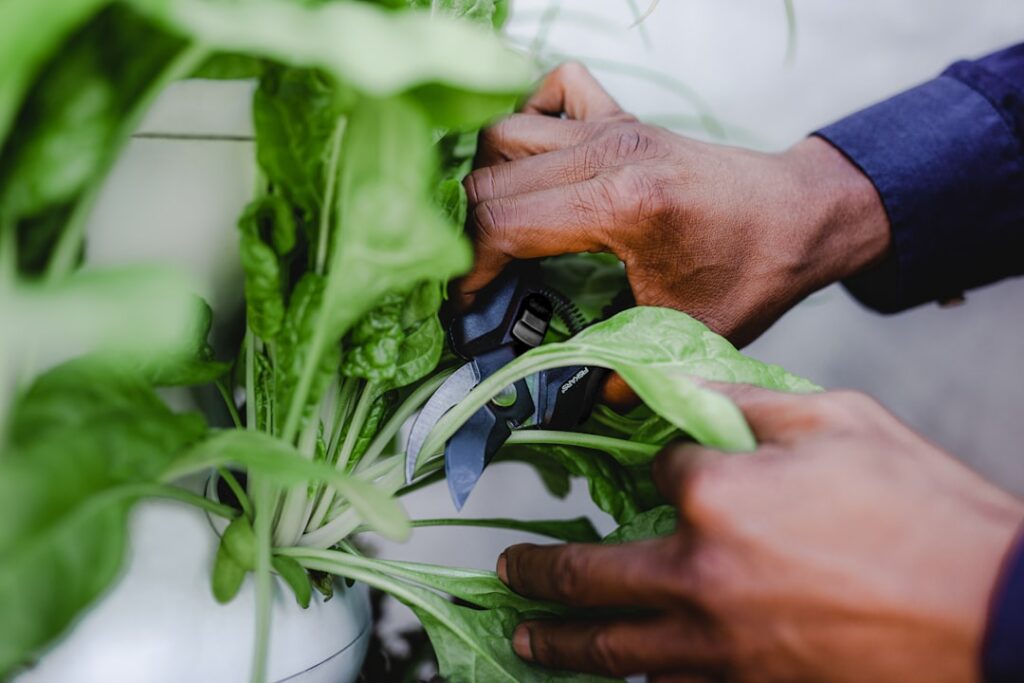
- Identify and Harvest: Carefully identify broadleaf or narrowleaf plantain. Look for young, vibrant green leaves that are free from discoloration, insect damage, or signs of pollution (e.g., avoid roadsides, areas sprayed with pesticides).
- Clean: Rinse the fresh leaves thoroughly under cool, running water to remove any dirt or small insects. Pat them dry.
- Prepare: This is where the magic happens. You need to break down the cell walls of the leaves to release their beneficial compounds.
Step-by-Step Method:
- Chewing Method (Traditional & Quickest): If you’re in the wilderness or need quick relief, thoroughly chew the clean plantain leaves until they form a moist, pulpy mass. This is often the fastest way to get a poultice in an emergency.
- Mashing Method (Preferred): For a more hygienic approach, place the clean leaves in a mortar and pestle and crush them until they form a wet paste. Alternatively, you can finely chop the leaves with a knife and then mash them with the back of a spoon against a cutting board, or even use a small food processor (pulse briefly).
- Apply: Take the prepared plantain pulp and apply it directly to the affected skin area (e.g., insect bite, minor cut, splinter, rash).
- Cover (Optional but Recommended): For best results, cover the poultice with a clean bandage, gauze, or even a piece of cloth. This helps keep the poultice in place and prevents it from drying out too quickly.
How to Use the Plantain Poultice
Apply the poultice to minor cuts, scrapes, insect bites (especially mosquito bites or bee stings), splinters, poison ivy rashes, or minor burns. The drawing action of the plantain helps to pull out irritants and soothe inflammation.
How Often to Use It
Leave the poultice in place for 30 minutes to an hour, or until it dries. For persistent issues, you can reapply a fresh poultice every few hours, or 2-3 times a day, as needed. For splinters or stubborn irritations, some herbalists recommend leaving it on overnight.
Quick Tip: For stings and bites, the sooner you apply the poultice, the more effective it tends to be at reducing swelling and itching.
How to Buy / How to Choose Ingredients
Plantain is rarely sold commercially as fresh leaves for poultices, so foraging is your best bet. If you can’t forage, dried plantain leaf can be found at herbal supply stores and used to make a strong infusion for a compress (see ‘Fresh vs. Dried’ below).
-
Foraging: Choose leaves from areas far away from roads, industrial sites, or conventional farms that might use pesticides. Always pick healthy, green leaves.
-
Dried: If buying dried, ensure it’s organic and from a reputable supplier to avoid contaminants.
Storage
- Fresh Leaves: Use fresh leaves immediately after harvesting for the most potency. You can store them in a plastic bag in the refrigerator for 1-2 days, but they will start to wilt.
- Prepared Poultice: A prepared poultice should be used immediately. Do not store it.
- Dried Leaves: Store dried plantain leaves in an airtight container in a cool, dark place for up to 1 year.
Practical Tips
- Identification is Key: Ensure you are 100% certain you have identified plantain. Broadleaf plantain has distinct parallel veins running the length of the leaf, and often a rosette growth pattern.
- Pre-Mashing: If you find chewing unappealing, a clean blender with a tiny bit of water can make a quick paste for larger areas.
- For Bug Bites: Crushing a leaf between your fingers and rubbing the juice onto a bite can offer almost instant relief from itching.
Fresh vs. Dried Plantain: Which is Best?
While both forms have their uses, fresh plantain excels for direct topical application.
| Feature | Fresh Plantain Leaves | Dried Plantain Leaves |
|---|---|---|
| Potency | Highest, especially for topical use (poultices) | Good for infusions/teas, some potency loss |
| Best Use | Poultices for bites, stings, splinters, rashes | Teas for internal use, compresses (infusion) |
| Availability | Foraged, seasonal | Herbal stores, year-round |
| Preparation | Mashed, chewed, juiced directly | Steeped in hot water for infusion |
| Drawback | Must be fresh, prone to quick spoilage | Less effective for ‘drawing’ action on skin |
Common Mistakes
- Misidentification: The most crucial mistake is confusing plantain with another plant. Always double-check your identification.
- Using Sprayed Leaves: Never forage from areas that may have been treated with herbicides or pesticides.
- Not Cleaning Thoroughly: Always rinse leaves well to remove dirt, dust, and tiny insects.
- Applying to Open, Deep Wounds: While plantain aids minor cuts, it’s not a substitute for medical attention for deep, gaping, or infected wounds.
Cautions / Who Should Avoid It
Plantain is generally considered safe for most people when used topically. However:
- Allergies: Though rare, some individuals may have an allergic reaction. Discontinue use if irritation occurs.
- Internal Use: While plantain tea is often used for digestive issues or coughs, consult a healthcare professional, especially if pregnant, breastfeeding, or on medication. Large internal doses may have a laxative effect.
- Severe Conditions: This remedy is for minor issues. Seek professional medical advice for severe wounds, infections, or persistent skin problems.
Quick Summary
Plantain is a powerful, easily accessible natural remedy, especially for skin issues. Its leaves, when crushed into a poultice, can soothe insect bites, minor cuts, and rashes. Foraging for fresh, clean leaves is best, ensuring proper identification. Use immediately after preparation, and reapply as needed. Always verify plant identification and avoid treated areas. For internal uses or severe conditions, consult a professional.
FAQ
- Can I use dried plantain for a poultice?
While fresh is best for a direct poultice, you can make a very strong infusion from dried leaves and use the soaked leaves (or the liquid) as a compress. - How do I identify plantain correctly?
Look for leaves with distinct, strong parallel veins that run from base to tip. Broadleaf plantain leaves often grow in a rosette pattern close to the ground. - How long does a plantain poultice last on the skin?
Typically 30 minutes to an hour, or until it dries. Reapply a fresh one if needed. - Can I use plantain for poison ivy?
Many people report relief from poison ivy itch and rash using a plantain poultice, as it helps draw out toxins and soothe irritation. - Is plantain safe for children?
Topical application of a plantain poultice is generally considered safe for children for minor skin irritations. Always test a small area first. - Can I make a plantain oil or salve?
Yes, dried plantain leaves can be infused in oil (like olive oil) to create a medicinal oil, which can then be thickened with beeswax to make a salve for longer-term skin support. - What part of the plant is best for remedies?
The leaves are primarily used for their medicinal properties, especially for topical remedies.
The plantain, often trodden underfoot, is a testament to nature’s simple yet profound remedies. By learning to identify and utilize this common ‘weed,’ you unlock a free and effective tool for everyday wellness.
You may also like: Building Your DIY Herbal First-Aid Kit
Read more: 5 Natural Remedies for Persistent Bug Bites