In the quest for better health, many of us reach for beverages we believe are beneficial. We swap sugary sodas for fruit juices, opt for a seemingly virtuous green smoothie, or choose a ‘detox’ water. But what if some of these healthy-looking drinks are secretly sabotaging your wellness goals, adding hidden sugars, artificial ingredients, or excessive calories without you even realizing it?
It’s a common misconception that anything marketed as ‘natural’ or ‘healthy’ is automatically good for you. The truth is, the beverage market is filled with deceptively healthy options that can undermine your efforts to manage weight, stabilize blood sugar, or simply feel your best. At Glowra Health, we believe in empowering you with accurate information to make informed choices.
This article will expose six common drinks that often wear a health halo but might be doing more harm than good. You’ll learn how to identify these culprits, understand their potential downsides, and discover genuinely healthy alternatives to help you sip smarter and achieve your health objectives.
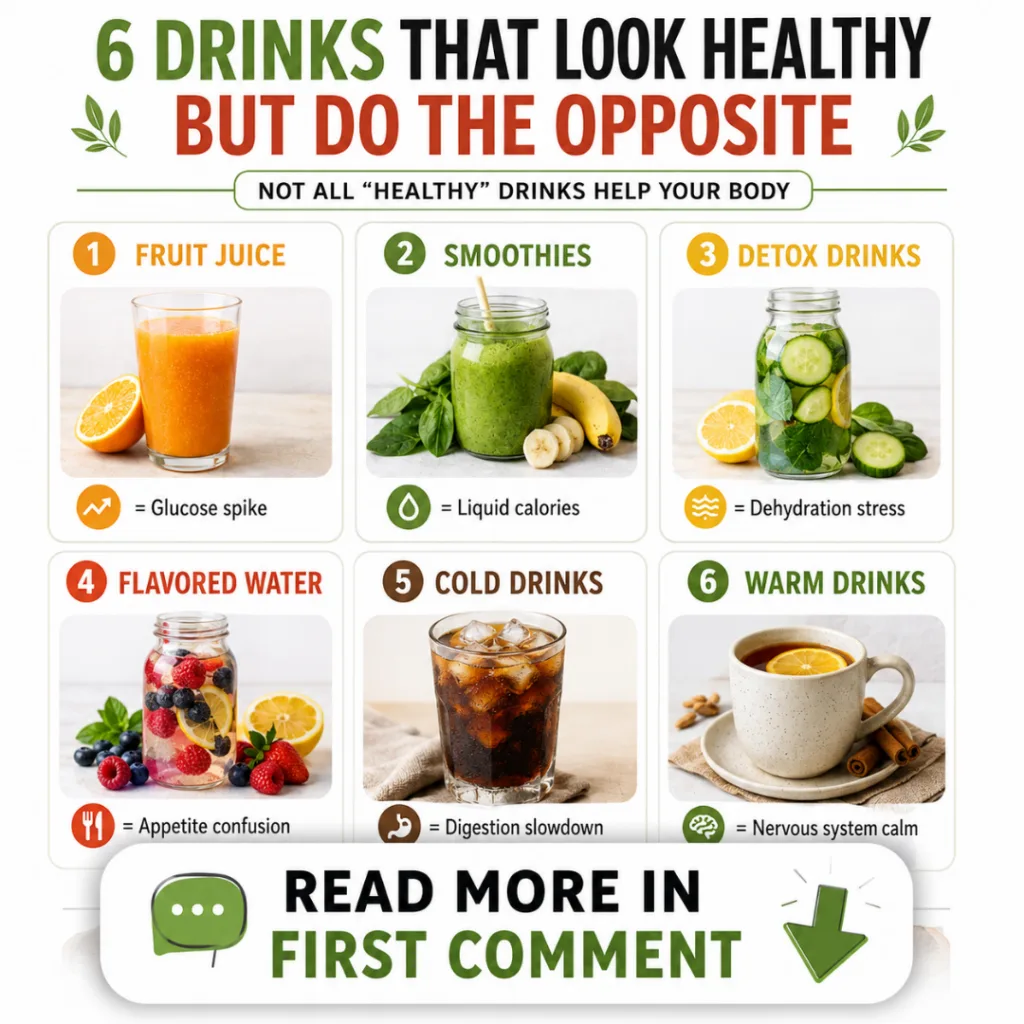 Not all ‘healthy’ drinks truly help your body. Learn which ones to reconsider.
The Deceptive Dozen: “Healthy” Drinks to Reconsider
1. Fruit Juices: More Sugar Than You Think
Many believe 100% fruit juice is a healthy alternative to whole fruit. While it contains vitamins, the process of juicing removes most of the beneficial fiber. What’s left is concentrated fruit sugar (fructose) without the fiber to slow its absorption. This can lead to a rapid spike in blood sugar, similar to drinking a soda, and contribute to weight gain and insulin resistance over time.
- Hidden downside: High sugar content, lack of fiber.
- What to watch for: Labels claiming ‘no added sugar’ can still mean high natural sugar.
2. Green Smoothies (The Wrong Way): A Calorie Bomb in Disguise
Green smoothies can be powerhouses of nutrition, but not all are created equal. Many pre-made or café versions are loaded with multiple servings of fruit, fruit juice, sweeteners, and even full-fat dairy or nut butters, turning a potential health drink into a high-calorie, high-sugar meal replacement without adequate protein or fiber balance.
- Hidden downside: Excessive calories, high sugar, often lacking balanced macronutrients.
- What to watch for: Multiple fruits, fruit juices, honey, agave, or large amounts of high-calorie add-ins without enough greens or protein.
3. Detox Waters: The Illusion of Magic
Infused waters with a slice of lemon or cucumber might look refreshing, but ‘detox’ claims are often misleading. Your body has incredibly efficient organs (liver, kidneys) that naturally detoxify. These waters, while hydrating, don’t possess special fat-burning or cleansing properties beyond what plain water offers. If you’re buying them, you’re often paying a premium for simple hydration.
- Hidden downside: No magical properties, can be an overpriced marketing gimmick.
- What to watch for: Exaggerated claims about ‘cleansing’ or ‘purifying.’
4. Flavored Waters: Artificial Sweeteners & Colors
Marketed as a healthier alternative to soda, many flavored waters contain artificial sweeteners (like sucralose, aspartame, or acesulfame potassium) and artificial colors. While calorie-free, some research suggests artificial sweeteners may alter gut microbiome, increase sugar cravings, and potentially impact metabolic health, counteracting their ‘healthy’ appeal.
- Hidden downside: Artificial sweeteners may disrupt gut health and increase cravings.
- What to watch for: Ingredient lists with unfamiliar chemical names or multiple sweeteners.
5. Iced Coffee & Specialty Drinks: A Dessert in a Cup
Your morning iced latte or blended coffee drink can easily pack more sugar and calories than a slice of cake. Loaded with syrups, whipped cream, sweetened condensed milk, and often large portions, these popular beverages are significant contributors to daily sugar and calorie intake, making them detrimental to weight management and overall health.
- Hidden downside: Extremely high sugar and calorie content, often considered a liquid dessert.
- What to watch for: Multiple pumps of syrup, added caramel or chocolate sauces, whipped cream.
6. Warm Teas (with hidden extras): Sugar’s Sneaky Sanctuary
Warm herbal teas are generally wonderful for calming the nervous system and supporting well-being. However, commercially prepared sweetened teas, chai lattes, or even homemade teas where excessive honey, sugar, or sweetened milks are added can quickly turn a beneficial brew into a sugar trap. Even naturally calming teas can become unhealthy if overloaded with caloric additions.
- Hidden downside: Added sugars, syrups, and sweetened milks transform a healthy drink into an unhealthy one.
- What to watch for: Pre-sweetened tea mixes, cafe lattes with sugary syrups, excessive added sweeteners.
How to Spot a Truly Healthy Drink
Navigating the beverage aisle doesn’t have to be confusing. Here’s your simple checklist:
Read Labels Carefully
Always check the nutrition facts and ingredient list. Look for:
- Added Sugars: Pay attention to grams of added sugar. Be aware of hidden sugar names like high-fructose corn syrup, cane juice, dextrose, maltose, and fruit juice concentrate.
- Artificial Ingredients: Scan for artificial sweeteners, colors, and preservatives.
- Serving Size: A bottle might contain multiple servings, meaning you’re consuming more calories and sugar than you think.
Prioritize Whole Ingredients
The best drinks are often made from simple, whole, identifiable ingredients. Think water, whole fruits/vegetables (not just their juice), and unsweetened teas.
Be Wary of Buzzwords
Don’t be swayed by terms like ‘natural,’ ‘organic,’ ‘gluten-free,’ or ‘vegan’ alone. These don’t automatically equate to being low in sugar or calories. Always check the full nutritional profile.
Your Healthier Sip Swap Guide
Ready to make better choices? Here are genuinely beneficial alternatives:
Plain Water: The Undisputed Champion
Nothing beats good old H2O for hydration. It’s calorie-free, sugar-free, and essential for every bodily function. Carry a reusable bottle to encourage consistent intake. For those seeking the benefits of hydration, water is key.
Herbal Teas: Flavor Without the Fuss
Unsweetened herbal teas (like peppermint, chamomile, ginger, or rooibos) offer a comforting, flavorful experience without calories or sugar. They can also provide various health benefits, from aiding digestion to promoting relaxation.
Infused Water (DIY): Natural & Refreshing
Create your own flavored water by adding slices of fresh fruit (lemon, lime, berries), cucumber, or herbs (mint, basil) to a pitcher of water. This offers a subtle flavor boost without added sugars or artificial ingredients.
Homemade Smoothies (The Right Way): Balanced & Nutritious
Blend your own smoothies using a base of water or unsweetened plant milk, plenty of leafy greens (spinach, kale), a small amount of whole fruit, a source of protein (like best protein powder or Greek yogurt), and healthy fats (chia seeds, avocado). This ensures a balanced, nutrient-dense drink. Perfect for healthy breakfast ideas!
Black Coffee/Tea: Mindful Indulgence
Enjoy coffee or tea black, or with a splash of unsweetened milk. If you need sweetness, try a tiny bit of stevia or a small amount of natural sweetener like a date or a dash of cinnamon. This allows you to savor the true flavors without the sugar overload.
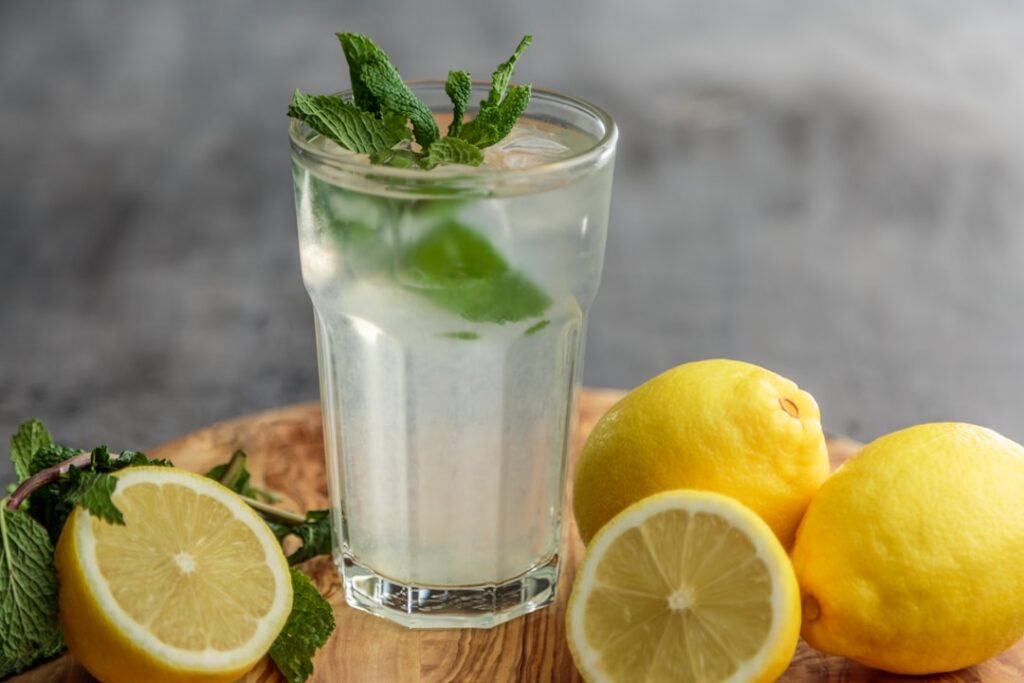 Simple, refreshing, and genuinely healthy: plain water infused with natural flavors.
Hydration: More Than Just What You Drink
Beyond choosing the right beverages, consistent hydration is crucial for overall well-being. It supports metabolism, digestion, energy levels, and even skin health. Aim to listen to your body’s cues and drink fluids throughout the day, especially before you feel thirsty.
Frequently Asked Questions
Are all smoothies bad for me?
No, absolutely not! Homemade smoothies made with a balanced ratio of greens, a small amount of fruit, protein, and healthy fats can be incredibly nutritious. The key is to control the ingredients and avoid excessive sugar from too much fruit or juice.
What’s the best way to sweeten drinks naturally?
For a touch of sweetness, consider whole fruits blended into smoothies, a pinch of cinnamon or vanilla extract, or very small amounts of natural sweeteners like pure stevia, monk fruit, or a tiny drizzle of maple syrup or honey (mindful of calories and sugar). Dates can also be used in blended drinks.
How much water should I drink daily?
General recommendations suggest around 8 glasses (about 2 liters) per day, but individual needs vary based on activity level, climate, and overall health. A good indicator is the color of your urine – it should be pale yellow.
Final Thoughts
Making informed choices about what you drink is a powerful step towards optimizing your health. By understanding that many healthy-looking drinks can be sources of hidden sugars and unnecessary calories, you empower yourself to choose truly beneficial beverages. Prioritize plain water, unsweetened teas, and mindfully crafted homemade options to genuinely support your wellness journey. Your body will thank you for every sip.