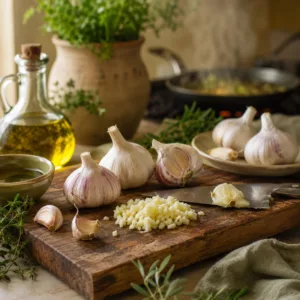
Garlic is one of the most powerful ingredients sitting quietly in your kitchen.
It is affordable, easy to find, full of flavor, and has been used for generations in traditional wellness routines around the world. From soups and stir-fries to homemade tonics and roasted dishes, garlic has earned its place as a daily kitchen staple.
But here is the part many people miss:
Garlic is not only about how much you eat.
It is also about how you prepare it, when you eat it, how you cook it, and how your body reacts to it.
Many people try to eat garlic every day but end up dealing with strong breath, stomach discomfort, bloating, heartburn, or a bitter taste in their food. In many cases, the problem is not garlic itself. The problem is using it the wrong way.
The good news is that a few simple kitchen habits can help you enjoy garlic more comfortably while keeping its natural flavor and nutritional value.
Garlic is a nutritious food, not a medical treatment. If you have a health condition, take prescription medication, or plan to increase your garlic intake significantly, speak with your healthcare provider first.
Why Garlic Preparation Matters
Garlic contains natural sulfur compounds that help give it its strong smell, sharp taste, and unique nutritional profile.
One of the most talked-about compounds in garlic is allicin. Fresh whole garlic cloves do not contain much allicin at first. This compound forms when garlic is chopped, crushed, minced, or chewed.
That means preparation matters.
When you break open the garlic clove, a natural enzyme reaction begins. But this reaction needs a little time. If garlic is swallowed whole, cooked too quickly, or burned in a hot pan, you may not get the best flavor or the best result from it.
That is why avoiding these common mistakes can make a big difference.
Mistake #1: Swallowing Whole Garlic Cloves
Some people swallow whole garlic cloves because they want to avoid the strong taste or smell.
It may sound convenient, but it is not the best way to use garlic.
When garlic is swallowed whole, the clove is not broken open enough. This means the natural reaction that forms allicin may not happen efficiently. Whole cloves may also be harder for some people to digest, especially if they already have a sensitive stomach.
A Better Way
Instead of swallowing whole cloves:
- Crush or finely chop the garlic.
- Let it sit for a few minutes before using.
- Mix it into meals instead of taking it alone.
- Start with a small amount if you are new to raw garlic.
Even a small amount of properly prepared garlic can bring more flavor to your food than swallowing a whole clove.
Mistake #2: Cooking Garlic Immediately After Chopping
This is one of the most common mistakes people make in the kitchen.
They chop garlic, throw it straight into a hot pan, and start cooking immediately.
The problem is that garlic needs a short resting time after chopping or crushing. This gives its natural compounds time to develop before heat is added.
A Better Way
After chopping, crushing, or mincing garlic, let it rest for about 10 minutes before cooking.
Then add it to your recipe.
This simple step may help preserve more of garlic’s naturally occurring compounds and also gives the flavor more depth.
It takes almost no extra effort, but it can make your garlic routine much smarter.
Mistake #3: Burning the Garlic
Garlic cooks fast. Very fast.
One minute it smells amazing. The next minute it turns brown, bitter, and unpleasant.
Burned garlic can ruin the flavor of an entire dish. It may also reduce the fresh aroma that makes garlic so enjoyable in the first place.
A Better Way
To avoid burning garlic:
- Cook it over low or medium heat.
- Add it later in the cooking process when possible.
- Stir frequently.
- Remove it from heat once it becomes fragrant.
- Avoid letting it turn dark brown or black.
A good rule is this: garlic should smell warm and fragrant, not sharp and burnt.
Mistake #4: Eating Raw Garlic on an Empty Stomach
Raw garlic is strong.
Some people tolerate it well, but others may experience stomach discomfort, heartburn, bloating, nausea, or digestive irritation, especially when eating it on an empty stomach.
This does not mean garlic is bad. It simply means your body may prefer it with food.
A Better Way
If raw garlic feels too harsh, try eating it with meals.
Garlic pairs well with:
- Olive oil
- Yogurt
- Avocado
- Whole grains
- Nuts and seeds
- Cooked vegetables
- Soups or stews
Eating garlic with food may make it gentler on the stomach while still allowing you to enjoy its flavor and nutritional benefits.
Mistake #5: Thinking More Garlic Means Better Results
Garlic is nutritious, but more is not always better.
Eating too much garlic too quickly may lead to discomfort. Some people may notice strong breath, body odor, heartburn, gas, mouth irritation, or stomach upset.
A healthy food can still become too much when your body is not used to it.
A Better Way
Start small.
For many healthy adults, using ½ to 1 clove of garlic per day in meals can be a reasonable starting point.
You can slowly adjust based on your tolerance.
The goal is not to force your body to handle more garlic. The goal is to make garlic a regular and enjoyable part of your meals.
Mistake #6: Storing Garlic the Wrong Way
Garlic may look simple, but storage matters.
When stored incorrectly, garlic can become soft, moldy, bitter, or spoiled. Poor storage can also reduce its quality and shorten its shelf life.
How to Store Garlic Properly
Keep garlic:
- In a cool, dry place
- Away from direct sunlight
- In a well-ventilated container
- Away from sealed plastic bags
- Away from excess moisture
A basket, mesh bag, or open container usually works better than a sealed plastic bag.
When to Throw Garlic Away
Do not use garlic if it is:
- Soft or mushy
- Moldy
- Slimy
- Dark or rotten inside
- Giving off an unpleasant odor
Fresh garlic should feel firm, dry, and clean.
Mistake #7: Ignoring Your Own Health Conditions
Garlic is safe for most people when used in normal food amounts. However, larger amounts may not be suitable for everyone.
This is especially important for people who take certain medications or have specific health conditions.
Talk to a Healthcare Provider First If You:
- Take blood-thinning medication
- Have a bleeding disorder
- Are scheduled for surgery
- Have stomach ulcers
- Have chronic digestive problems
- Have strong acid reflux
- Are pregnant or breastfeeding and planning to use garlic in large amounts
Natural foods can still affect the body. “Natural” does not always mean risk-free for every person.
Simple Tips to Get the Most From Garlic
Here are a few easy habits that can help you use garlic better:
- Crush or chop garlic before using it.
- Let it rest for about 10 minutes.
- Cook it gently instead of burning it.
- Add it to balanced meals.
- Avoid eating too much too quickly.
- Store garlic in a cool, dry, ventilated place.
- Pay attention to how your body responds.
These small habits can make garlic easier to enjoy every day.
When Is the Best Time to Eat Garlic?
There is no perfect time that works for everyone.
Many people tolerate garlic best when it is eaten with a main meal rather than on an empty stomach.
You can enjoy garlic with:
- Breakfast
- Lunch
- Dinner
- Soups
- Salads
- Roasted vegetables
- Sauces
- Stir-fries
The most important thing is consistency and comfort. If garlic makes your stomach uncomfortable at one time of day, try using it with a different meal or in a cooked form.
Raw Garlic vs. Cooked Garlic: Which Is Better?
Both raw and cooked garlic can be part of a healthy diet.
Raw garlic has a stronger taste and may preserve more heat-sensitive compounds. However, it can also be harder on the stomach.
Cooked garlic is usually milder, sweeter, and easier to digest. Lightly cooked garlic still adds flavor and plant nutrients to meals.
The best choice depends on your body and your routine.
If raw garlic feels too strong, do not force it. Lightly cooked garlic is still a good option.
Easy Ways to Add Garlic to Meals
Garlic is one of the easiest ingredients to include in daily cooking.
Try adding it to:
- Vegetable stir-fries
- Soups and broths
- Roasted potatoes
- Grilled chicken or fish
- Salad dressings
- Pasta sauces
- Rice dishes
- Bean dishes
- Yogurt dips
- Homemade garlic oil
You do not need complicated recipes. A little garlic can make simple food taste much better.
Frequently Asked Questions
Can I eat garlic every day?
For most healthy adults, moderate amounts of garlic can be enjoyed as part of a balanced diet. If you have a medical condition or take medication, check with your healthcare provider before increasing your intake.
Is raw garlic healthier than cooked garlic?
Raw garlic may preserve more heat-sensitive compounds, but cooked garlic is easier to digest for many people. Both can be useful in a healthy diet.
Should I take garlic supplements instead?
Garlic supplements may be useful for some people, but they are not necessary for everyone. Supplements can also interact with medications. It is best to use them only with professional guidance.
Why does garlic upset my stomach?
Garlic is strong and may irritate sensitive stomachs, especially when eaten raw or on an empty stomach. Try using smaller amounts, cooking it lightly, or eating it with meals.
How much garlic should I start with?
Start with ½ clove to 1 clove per day in meals and adjust based on your tolerance.
Final Thoughts
Garlic is one of the most valuable ingredients you can keep in your kitchen. It is flavorful, affordable, versatile, and naturally rich in plant compounds.
But the secret is not eating as much garlic as possible.
The real secret is using garlic wisely.
Crush it before cooking. Let it rest. Avoid burning it. Eat it with meals if your stomach is sensitive. Store it properly. And most importantly, listen to your body.
When used the right way, garlic can become a simple, enjoyable part of a balanced daily routine.
Sometimes, the smallest kitchen habits make the biggest difference.