When facing a fatty liver diagnosis, the immediate thought often turns to a list of foods to cut out. While reducing certain foods is crucial, a holistic approach to liver health also involves thoughtfully adding nutrient-dense ingredients to your diet. In fact, many delicious and accessible foods can actively support your liver’s function, reduce fat accumulation, and even slow disease progression.
This article will guide you through seven powerful food categories recommended for their beneficial impact on liver health. Forget deprivation and embrace abundance as we explore how simple dietary additions can make a significant difference in naturally supporting your liver.
The Power of Food: Beyond Restriction for Fatty Liver
Fatty liver disease, or hepatic steatosis, is increasingly common, often linked to lifestyle factors. While medical advice often focuses on eliminating unhealthy fats and sugars, the infographic highlights a proactive strategy: incorporating specific foods rich in antioxidants, healthy fats, and fiber. These foods don’t just fill you up; they actively work to protect liver cells, reduce inflammation, and improve metabolic processes, helping your liver to function optimally.
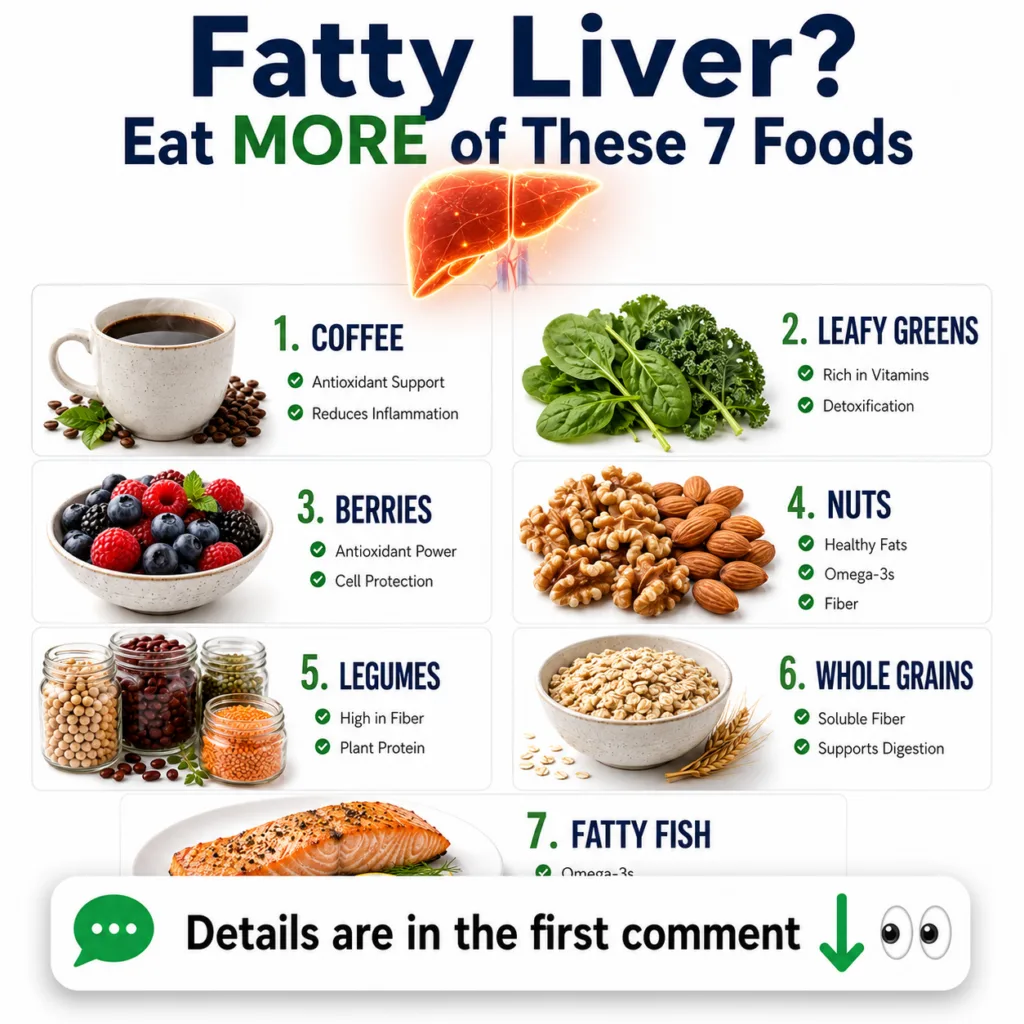
7 Foods to Embrace for a Healthier Liver
Let’s dive into the seven superstars your liver will thank you for.
1. Coffee: Your Liver’s Daily Brew
Good news for coffee lovers! Your morning ritual might be doing more than just waking you up. Coffee is rich in powerful antioxidants that can help protect your liver. Studies suggest that moderate coffee consumption (without excessive sugar or cream) can:
- Reduce inflammation: Its compounds help calm inflammatory responses in the liver.
- Protect liver cells: Antioxidants shield liver cells from damage caused by toxins and disease.
- Slow disease progression: Regular coffee intake has been associated with a lower risk of advanced liver fibrosis in people with chronic liver disease.
Enjoying 1-3 cups of black coffee daily, or with a splash of unsweetened milk, can be a simple yet effective addition to your liver-friendly diet.
2. Leafy Greens: Nature’s Detoxifiers
Leafy green vegetables are nutritional powerhouses, packed with vitamins, minerals, and compounds that aid liver detoxification pathways. Incorporating more leafy greens like spinach, kale, collard greens, and arugula into your meals can:
- Provide high fiber: Fiber supports healthy digestion and helps eliminate toxins from the body, reducing the liver’s burden.
- Deliver antioxidants: These combat oxidative stress, protecting liver cells from damage.
- Support detoxification: Specific compounds in greens, like chlorophyll, aid in neutralizing heavy metals and pesticides.
- Reduce fat accumulation: Their low-calorie, high-nutrient profile helps with weight management, a key factor in reducing liver fat.
Aim for at least one large serving of leafy greens daily in salads, smoothies, or cooked dishes.
3. Berries: Antioxidant Powerhouses
These colorful, delicious fruits are bursting with antioxidants, especially anthocyanins, which give them their vibrant hues. Berries like blueberries, strawberries, raspberries, and blackberries are excellent for liver health because they:
- Offer powerful antioxidants: They neutralize free radicals, protecting liver cells from damage and promoting repair.
- Possess anti-inflammatory properties: Their compounds help reduce systemic inflammation, benefiting the liver.
- Improve insulin sensitivity: Better insulin sensitivity helps regulate blood sugar, which is crucial for preventing and managing fatty liver.
- Protect against damage: Regular consumption can help shield the liver from various forms of damage.
Add a handful of fresh or frozen berries to your breakfast, snacks, or desserts.
4. Nuts: Healthy Fats for Liver Support
While often high in calories, nuts are rich in healthy fats, fiber, and vitamin E, making them beneficial in moderation. Walnuts, almonds, and pecans are particularly good choices that can:
- Provide healthy fats: Monounsaturated and polyunsaturated fats (like Omega-3s in walnuts) reduce liver fat.
- Deliver Vitamin E: This potent antioxidant helps protect the liver from oxidative stress.
- Reduce liver fat: Studies suggest that regular nut consumption can lead to a decrease in fat accumulation in the liver.
- Improve liver enzymes: They can help normalize elevated liver enzyme levels, indicating improved liver function.
A small handful (about 1/4 cup) of nuts makes a great snack or addition to salads and oatmeal. Look for raw, unsalted varieties.
5. Legumes: Fiber & Protein for Weight Management
Legumes, including beans, lentils, chickpeas, and peas, are nutritional superstars for overall health, especially for the liver. Their unique composition makes them highly beneficial:
- Rich in fiber: High fiber content promotes satiety, aids digestion, and helps regulate cholesterol levels, all beneficial for liver health.
- Excellent plant protein source: Plant-based protein helps build and repair tissues, supports metabolic functions, and can be a healthier alternative to some animal proteins.
- Helps manage weight: The combination of fiber and protein keeps you feeling full, which can support healthy weight loss or maintenance—a critical factor in managing fatty liver.
- Stabilizes blood sugar: Legumes have a low glycemic index, preventing blood sugar spikes that can contribute to insulin resistance and liver fat.
Incorporate legumes into soups, stews, salads, or as a meat alternative in various dishes.
6. Whole Grains: Complex Carbs for Gut and Liver
Switching from refined grains to whole grains is a simple yet impactful dietary change. Whole grains like oats, brown rice, quinoa, and whole wheat bread retain their bran and germ, which are packed with nutrients. They support liver health by:
- Offering complex carbohydrates: These provide sustained energy and help stabilize blood sugar, preventing strain on the liver.
- Supplying abundant fiber: Like legumes, the fiber in whole grains aids digestion, promotes gut health, and helps excrete toxins.
- Reducing inflammation: Certain compounds in whole grains have anti-inflammatory effects that benefit the liver.
- Supporting gut health: A healthy gut microbiome is directly linked to a healthy liver, and whole grains feed beneficial gut bacteria.
Start your day with a bowl of oatmeal, opt for brown rice with your meals, or choose whole grain bread for sandwiches. Many healthy breakfast ideas often feature whole grains.
7. Fatty Fish: The Omega-3 Advantage
Fatty fish like salmon, mackerel, sardines, and trout are celebrated for their high content of omega-3 fatty acids, which are essential for many bodily functions, including liver health. These healthy fats are potent allies against fatty liver because they:
- Are rich in Omega-3 fatty acids: These specific fats are powerfully anti-inflammatory and help reduce liver fat.
- Possess anti-inflammatory properties: Omega-3s actively reduce inflammation throughout the body, including in the liver.
- Reduce liver fat: Regular consumption of fatty fish has been shown to decrease triglyceride levels and fat accumulation in the liver.
- Lower triglycerides: High triglycerides are a common issue with fatty liver, and omega-3s help bring them down.
Aim for 2-3 servings of fatty fish per week. Consider grilled salmon, baked mackerel, or sardine salads for a delicious and liver-friendly meal.
How to Incorporate These Liver-Friendly Foods into Your Diet
Making dietary changes can feel daunting, but integrating these seven foods can be surprisingly simple:
- Breakfast Boost: Start with oatmeal topped with berries and a sprinkle of nuts, or a cup of black coffee.
- Lunchtime Lift: Add leafy greens to your sandwiches or salads, and include legumes like lentils or chickpeas.
- Dinner Delights: Pair fatty fish with a side of quinoa or brown rice and steamed leafy greens.
- Snack Smart: Grab a handful of nuts, a bowl of berries, or a small black coffee.
- Meal Prep: Prepare large batches of whole grains or roasted vegetables with legumes to have on hand for quick meals. This aligns with healthy meal prep ideas.
Frequently Asked Questions About Fatty Liver & Diet
Can diet alone cure fatty liver?
While diet plays a crucial role in managing and often reversing fatty liver disease, especially non-alcoholic fatty liver (NAFLD), it’s important to combine it with other lifestyle changes like regular exercise. Always consult with a healthcare professional for a comprehensive treatment plan.
How long does it take for diet changes to impact fatty liver?
The timeline varies per individual, but positive changes can often be seen within a few months of consistent dietary and lifestyle modifications. Regular monitoring by a doctor is essential to track progress.
Are there any foods I should still avoid with fatty liver?
Yes, while we’ve focused on what to add, it’s still important to limit processed foods, sugary drinks, excessive red meat, refined carbohydrates, and unhealthy fats (trans fats and saturated fats) to effectively manage fatty liver.
Final Thoughts
Supporting your liver doesn’t have to be about strict limitations. By intentionally incorporating these seven liver-friendly foods—coffee, leafy greens, berries, nuts, legumes, whole grains, and fatty fish—you can take proactive steps toward better liver health. These foods offer a wealth of nutrients that work synergistically to reduce inflammation, protect cells, and manage fat accumulation. Empower your plate with these natural allies and nourish your liver from the inside out.
Medical Disclaimer
The information provided in this article is for general knowledge and informational purposes only, and does not constitute medical advice. It is essential to consult with a qualified healthcare professional or a registered dietitian for any health concerns or before making any decisions related to your health or diet, especially concerning fatty liver disease.